




How Sports Academies Can Use Technology to Manage Players, Coaches and Parents
Managing a sports academy effectively involves coordinating players, coaches, and parents, which can be a complex challenge without proper tools. Sports academy management technology offers solutions that simplify administration, enhance communication, and support long-term player development. This article explores practical ways grassroots academies can adopt technology to streamline operations and improve collaboration among all stakeholders.
What Is Sports Academy Management Technology?
Sports academy management technology refers to digital systems designed to organize and optimize the daily functions of youth sports academies. These tools cover player profiles, training schedules, attendance tracking, coach communication, and parent engagement platforms, offering a centralized approach for managing various roles.
Using such technology creates a more structured environment for athletes, ensuring consistent growth and minimizing administrative distractions for coaches and directors.

How Technology Improves Player Management Systems
Player management systems form the backbone of academy operations by digitizing individual player profiles, performance data, and attendance. These systems allow coaches to track progress over weeks and months, helping to tailor training and identify development needs sensibly.
For players, this means structured feedback loops and clear pathways for improvement, while parents gain greater visibility into their child’s progress. This fosters a culture of transparency and shared responsibility.
Leveraging Coach Communication Tools for Efficient Collaboration
Coach communication tools simplify session planning, real-time messaging, and performance feedback. Instead of relying on informal channels like text groups or emails, centralized apps streamline coach coordination and ensure everyone receives consistent information.
This clarity helps maintain disciplined training environments and fosters collaboration among coaching staff to support player development in a coherent way.
Enhancing Parent Engagement Platforms for Supportive Development
Parents play a crucial role in grassroots sports development, and engagement platforms build stronger connections between the academy and families. Through these platforms, parents receive updates on attendance, training schedules, and player progress without needing to interrupt coaches.
This transparency helps manage expectations realistically and supports a long-term development mindset that benefits both players and staff.
Clear communication and structured tools transform player potential into steady development.
Practical Implementation for Grassroots Clubs
To adopt sports academy management technology, grassroots clubs should start by evaluating their specific needs—whether it’s attendance tracking, scheduling apps, or performance monitoring technology. Choosing software that integrates multiple functions can minimize complexity.
Training coaches and administrative staff on these tools is essential. Incorporating digital workflows into daily routines creates consistency and improves the overall quality of sports academy operations.
Common Development Mistakes and How Technology Helps Avoid Them
Without structured systems, academies risk inconsistent attendance recording, miscommunication, and lack of progress visibility. These issues often derail player development and frustrate parents and coaches alike.
Sports academy management technology provides data-driven player development insights, enabling timely interventions and informed decision-making, which keeps players on track and clubs organized.
Why Players Struggle When Communication Is Limited
Many young athletes struggle due to unclear expectations and inconsistent feedback. When communication between coaches and parents is disjointed, players often miss critical cues for growth and motivation.
Utilizing communication platforms that connect all parties improves transparency and provides players with consistent guidance, reinforcing discipline and confidence needed for long-term development.
Conclusion
Implementing sports academy management technology is not about creating shortcuts but about establishing a clear, structured environment where players, coaches, and parents collaborate efficiently. This integration supports disciplined training, consistent feedback, and realistic progress tracking essential for grassroots sports success. By thoughtfully adopting tools such as player management systems, coach communication tools, and parent engagement platforms, academies can focus more on quality player development and less on administrative burdens. For clubs seeking to improve their sports academy operations, technology offers a practical pathway to foster a disciplined, transparent, and growth-oriented culture that benefits every participant.
What is sports academy management technology?
It is digital software used to organize and improve the operations of sports academies, including player tracking, communication, and scheduling.
How does digital attendance tracking benefit sports academies?
It ensures accurate records of player participation, helps monitor consistency, and identifies absences that may affect development.
How to improve communication between coaches and parents?
Using coach communication tools and parent engagement platforms centralizes messaging, making information clear and timely.
Why am I not improving despite training regularly?
Lack of structured feedback and unclear development goals can limit progress; technology helps track and adjust training effectively.
How to use technology for data-driven player development?
By collecting and reviewing performance data regularly through management platforms, coaches can tailor training to individual needs.
Best way to manage sports academy scheduling effectively?
Implement scheduling apps within a centralized system that sync coaches, players, and facilities to avoid conflicts and ensure attendance.
Why do players struggle without clear communication?
Without consistent feedback and parental support enabled by good communication, players can lack motivation and direction.

Related Articles
 Read More about How Football Academies Can Reduce Dropouts and Retain Players
How Football Academies Can Reduce Dropouts and Retain Players
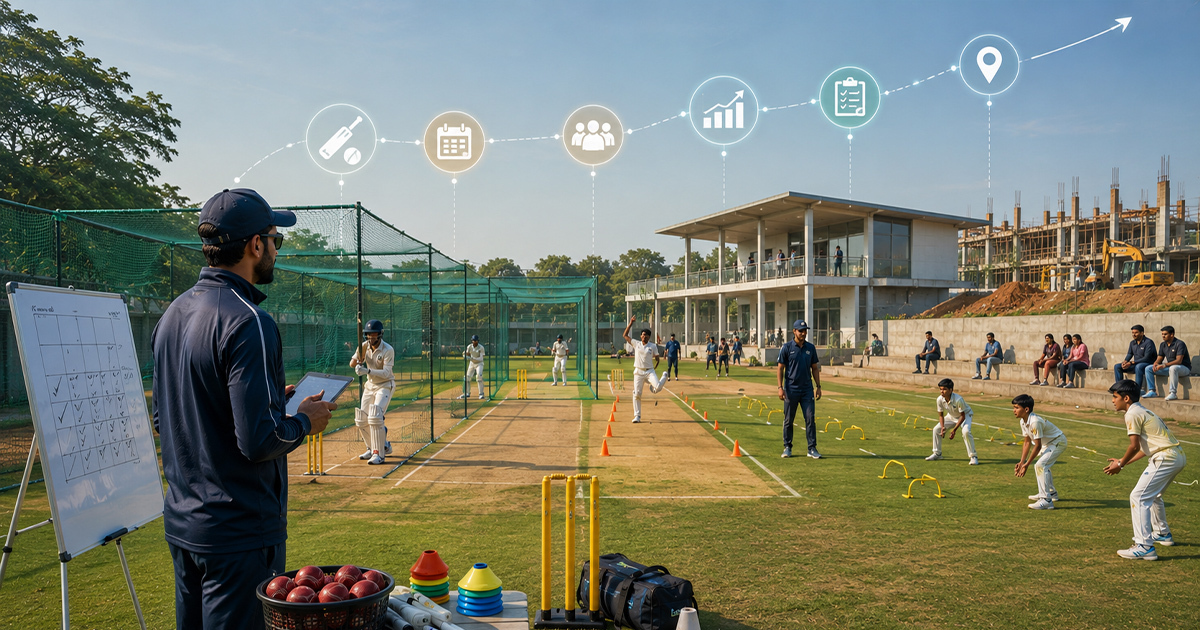 Read More about How to Start a Cricket Academy in India: Step-by-Step Guide for Coaches and Club Owners
How to Start a Cricket Academy in India: Step-by-Step Guide for Coaches and Club Owners
 Read More about Professional Football Academy Standards: What Really Defines Quality in Youth Development
Professional Football Academy Standards: What Really Defines Quality in Youth Development
Latest Articles
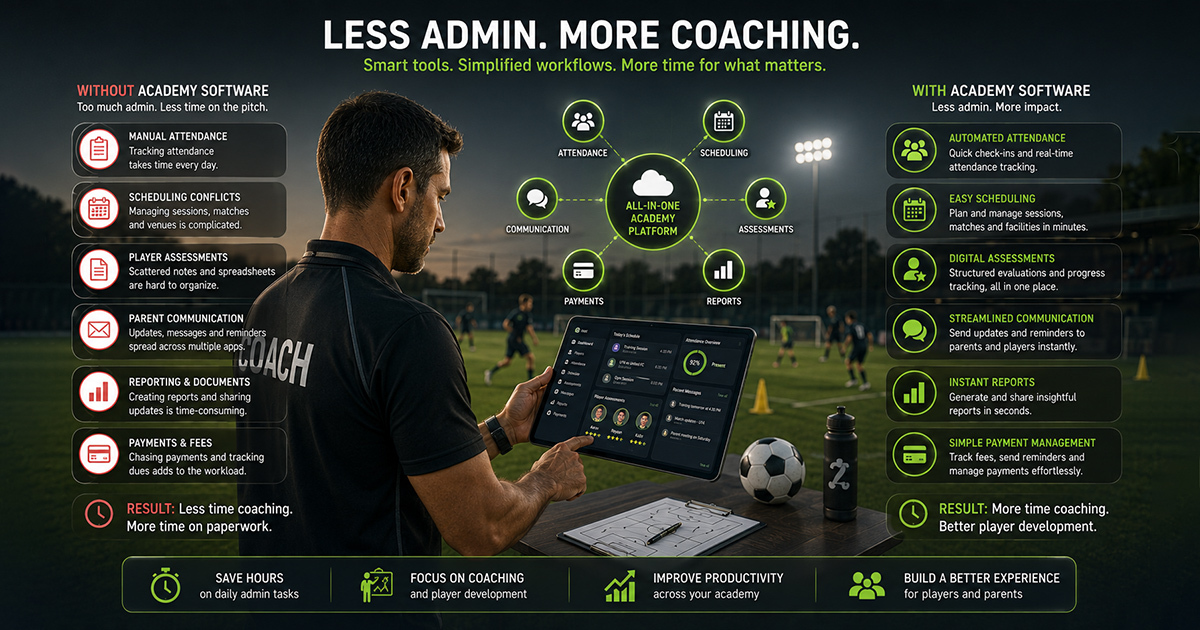 Read More about How Sports Academies Can Reduce Admin Work for Coaches
How Sports Academies Can Reduce Admin Work for Coaches
 Read More about How to Build Age-Wise Player Development Pathways in Football and Cricket
How to Build Age-Wise Player Development Pathways in Football and Cricket
 Read More about Tournament Management Software for Football and Cricket Organizers: A Practical Guide
Tournament Management Software for Football and Cricket Organizers: A Practical Guide
Ready to Bring Structure to Your Academy?
Let’s walk through your current setup and show you how 8lete can improve it.


