




Attendance Is Not Development: The Biggest Mistake Grassroots Academies Make
It’s tempting for grassroots football academies to measure success by sheer attendance figures. After all, if players show up regularly, isn’t that enough to guarantee progress? The reality is far more complex. Relying on attendance as the primary marker of development is one of the biggest grassroots football development mistakes — and it masks deeper issues that hold players back from reaching their full potential.
Why Attendance Alone Fails Player Growth
Attendance is simply the door being open—and walking through it does not equal meaningful learning. Development requires engagement, quality repetition, and purposeful feedback. Players who attend but operate passively, pick up bad habits, or aren’t coached with clear progression plans can struggle for years without improving significantly.
This common grassroots coaching error stems from confusing presence with progress. Without defined training objectives and structured learning environments, coaches and academies risk creating a culture where attendance is prioritized over growth. The result? Players stagnate, parents become frustrated, and academies lose credibility.
What Does Effective Youth Football Training Really Require?
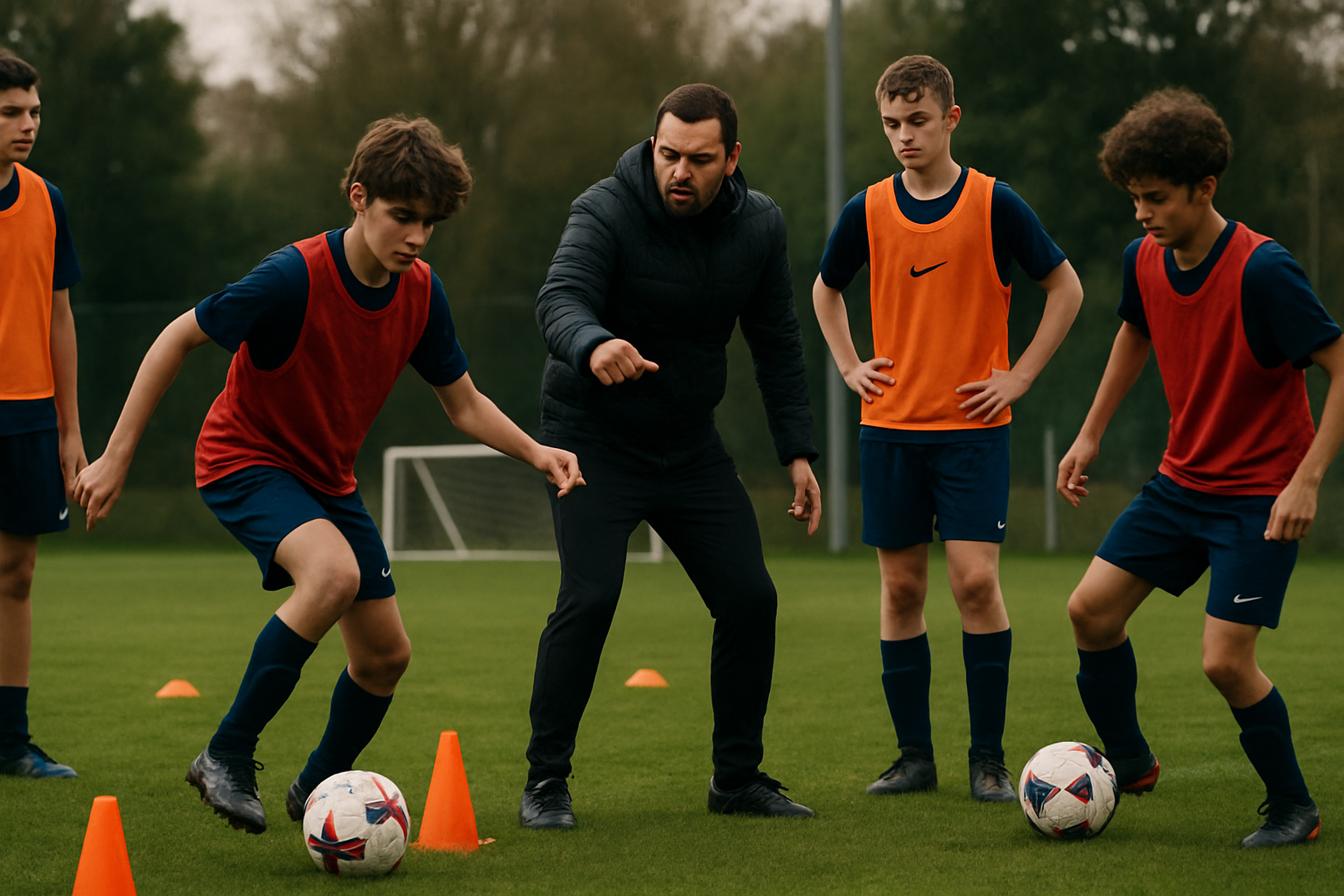
Effective training goes beyond simply showing up. It includes well-rounded sessions designed around player development tracking, where exercises target technical skills, decision-making, physical conditioning, and mental resilience.
Structured training systems allow coaches to tailor sessions to player needs—pacing drills for appropriate repetition and adjusting challenges to maintain engagement. This approach encourages learning through purposeful practice rather than just going through the motions.
Practical Implementation for Grassroots Clubs
Grassroots academies must implement clear workflows that bridge attendance with development outcomes. This means establishing academy workflows that include detailed session planning, individualized player feedback, and consistent performance analysis. Coaches play a crucial role by actively observing, assessing, and communicating development pathways rather than merely overseeing attendance.
Parents can also help by focusing conversations on growth milestones, training habits, and mental development instead of just match availability or minutes played. This collective, structured approach creates an environment where every minute on the pitch counts toward long-term progression.
Common Development Mistakes
Many grassroots programs fall into the trap of equating attendance with achievement. Another mistake is ignoring the quality of player engagement, leading to a checklist mentality where players complete sessions but don’t develop foundational skills.
Additionally, inconsistent coaching roles in player development—where multiple coaches offer conflicting feedback or neglect structured progression plans—cause confusion. Overloading players with too many tactics too soon, or focusing too heavily on winning games, further undermines steady improvement.
Consistent attendance matters, but real progress depends on purposeful training and structured development plans.
Building Player Progression in Grassroots Football
A simple yet effective framework to avoid these pitfalls is:
Training → Feedback → Tracking → Exposure → Progression
This means delivering purposeful training sessions, providing clear feedback, tracking development consistently, exposing players to appropriate competitive environments, and supporting gradual progression. Each step ensures attendance translates into meaningful growth.
The Role of Parent Involvement in Youth Football
Parents often want to support their children but may unintentionally emphasize attendance and match performance over overall development. Educating parents on football academy best practices helps shift focus toward consistent training engagement, recovery, and the mental growth components of the game.
Involving parents in understanding the structured development process strengthens the support system around players, creating better environments for sustained improvement and long-term success.
Using Football Performance Analysis to Maximize Development
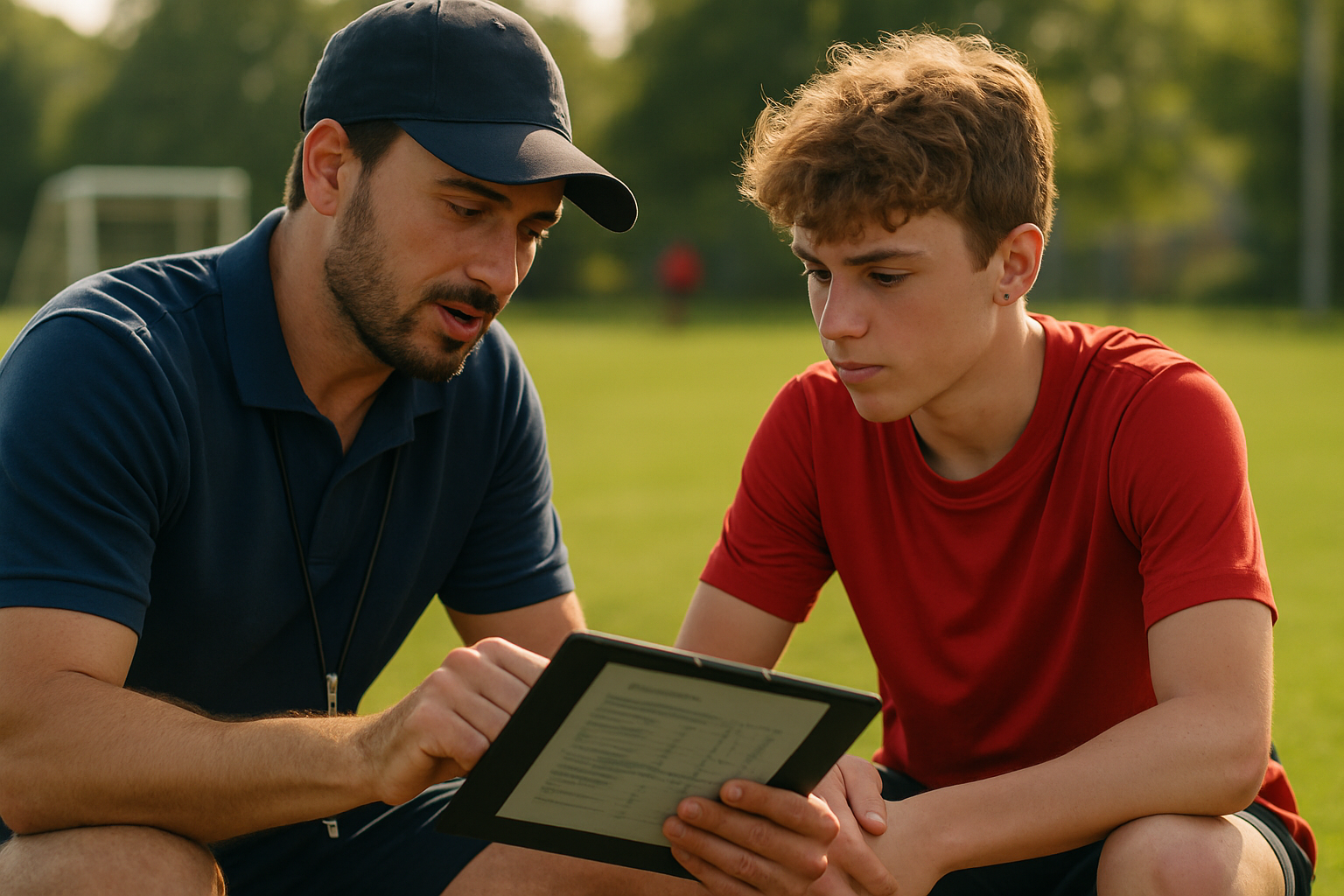
Football performance analysis tools—especially AI-powered systems—help academies move beyond attendance metrics by offering objective insights into individual player skills and training habits. Incorporating these into academy workflows enables more personalized coaching and targeted growth plans, optimizing player progression across all levels.
This data-driven approach ensures decisions are made with development as the priority rather than relying on subjective impressions or attendance alone.
Conclusion
Grassroots football development mistakes often stem from an overemphasis on player attendance instead of a comprehensive, structured approach to growth. Attendance is necessary but not sufficient for progress. Academies, coaches, parents, and players must work together within transparent development systems focused on purposeful training, consistent feedback, and objective tracking. Only through deliberate effort and clear pathways can grassroots programs create real, measurable improvement. By understanding and avoiding these mistakes, grassroots environments become places where long-term football potential is nurtured in a meaningful, disciplined, and real-world context.
Why is attendance alone not enough for youth football development?
Attendance ensures presence but does not guarantee engagement, skill improvement, or meaningful learning unless combined with structured training and feedback.
What are common grassroots football development mistakes coaches make?
Common mistakes include focusing only on attendance, neglecting individual progress, inconsistent coaching messages, and prioritizing winning over development.
How can grassroots football academies improve player progression?
They can improve progression by implementing structured training systems, providing tailored feedback, tracking development, and involving parents in the process.
What role do parents play in youth football development?
Parents support development best by focusing on training consistency, mental growth, and healthy recovery rather than just match attendance or results.
How does football performance analysis help grassroots development?
Performance analysis offers objective insights into skills and habits, enabling personalized coaching plans beyond attendance monitoring.

Related Articles
 Read More about Your Academy Might Be Training Players… But Is It Developing Them?
Your Academy Might Be Training Players… But Is It Developing Them?
 Read More about From Grassroots to Professional: Understanding the Football Player Development Pathway
From Grassroots to Professional: Understanding the Football Player Development Pathway
Latest Articles
 Read More about How Sports Academies Can Reduce Admin Work for Coaches
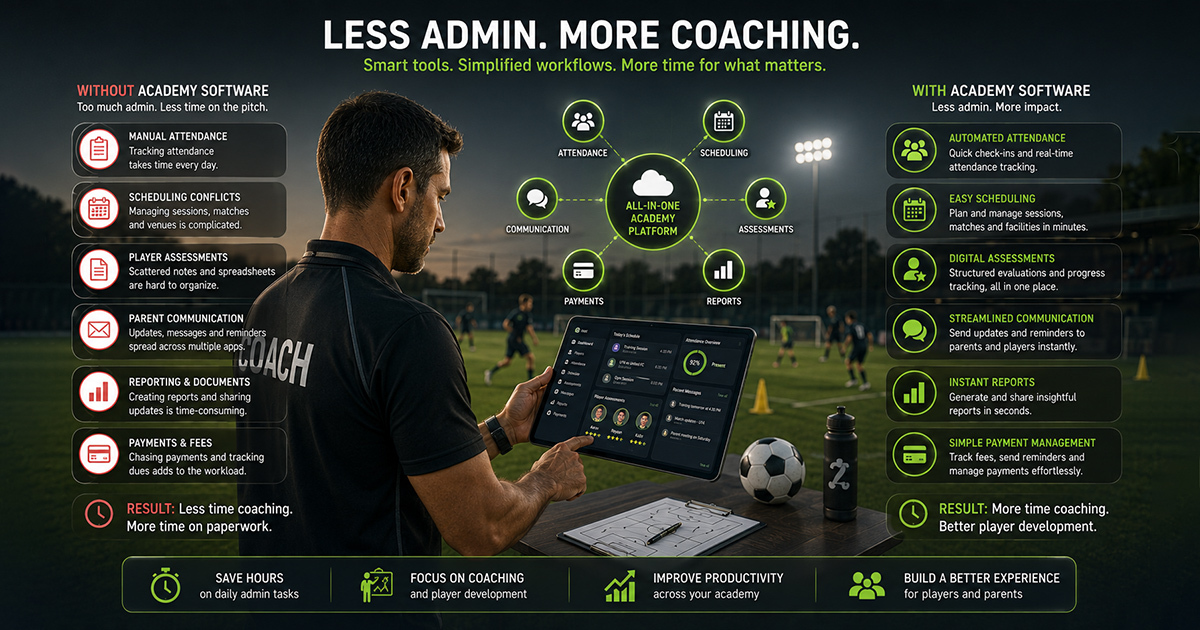
How Sports Academies Can Reduce Admin Work for Coaches
 Read More about How to Build Age-Wise Player Development Pathways in Football and Cricket
How to Build Age-Wise Player Development Pathways in Football and Cricket
 Read More about Tournament Management Software for Football and Cricket Organizers: A Practical Guide
Tournament Management Software for Football and Cricket Organizers: A Practical Guide
Ready to Bring Structure to Your Academy?
Let’s walk through your current setup and show you how 8lete can improve it.


