




How to Improve Your Football Skills and Techniques
You're on the pitch, the ball at your feet, and the game is on the line. The defender's closing in, and you know that a clean first touch or a perfectly timed pass could make the difference between a game-winning goal and a missed opportunity. It's moments like these that separate the good players from the great ones.
But how do you get to that level? The truth is, there are no shortcuts in football. Improving your football skills requires dedication and the right approach. Whether you're a player looking to step up your game or a club manager focused on developing a stronger team, the key lies in consistent practice and focused training.
Research shows that deliberate practice accounts for 18-19% of the difference in sports performance among non-elite and sub-elite athletes. So, if you're serious about how to improve in football skills, you need to dedicate yourself to focused training. This is equally true for players looking to improve and club managers guiding their teams to success.
In this blog, we're going to break down the key skills that can take your game from good to great. From perfecting your first touch to mastering ball control, we'll cover the techniques that can help players become more complete and confident. These skills can also be the foundation for club managers to help build a more well-rounded team. Let's get started!
1. Perfect Your First Touch

The first touch is one of the most important elements of football. It's the moment that sets up the next move, whether you're preparing to pass, shoot, or dribble. A clean and controlled first touch can make all the difference in maintaining possession and dictating the flow of the game. If you're looking for effective tips on how to improve in football skills, you've come to the right place.
Club managers can help players perfect this essential skill by incorporating relevant drills into their training sessions.
Tips for Improving Your First Touch
Use Different Parts of Your Foot: Practice receiving the ball with the inside, outside, sole, or even your thigh. This will enhance your ability to control the ball in all situations.
Keep It Close: Always aim to control the ball so it stays close to your body. A tight first touch allows you to move quickly and make the next decision faster.
Practice with Varying Speeds: Have a partner pass you the ball at different speeds and heights to help you control it under various match scenarios.
By refining your first touch, you'll become more comfortable receiving passes and be able to react quicker during high-pressure moments. However, a great first touch is only the beginning.
Once you've controlled the ball, the next step is to maintain that control, especially in tight spaces. This brings us to mastering ball control, a skill that's crucial for retaining possession and creating opportunities under pressure.
2. Master Ball Control

Ball control is crucial for nearly every skill in football. Whether you're dribbling past a defender or holding off pressure, good ball control helps you keep possession and make smart decisions. It allows you to stay calm under pressure and create more opportunities for your team.
As a club manager, focusing on ball control during training ensures that players can remain composed in high-pressure situations, benefiting the entire team's overall performance.
How to Upgrade Your Ball Control
Tight Spaces: Practice dribbling in confined spaces where you can't rely on long touches. This will help you learn to keep the ball under close control, especially when surrounded by opponents.
Retain Possession Under Pressure: The better your control, the easier it will be to retain possession even when defenders are pressing you. Work on shielding the ball and using your body to protect it.
Composure: Good ball control boosts your confidence and composure. When you can confidently control the ball, you're less likely to rush or make mistakes.
Use Both Feet: Practicing ball control with both feet is essential for becoming a more versatile player. Work on controlling the ball with your weaker foot to enhance your ability to adjust to different situations and maintain possession under pressure.
Improving your ball control helps you make quicker, smarter decisions. When you're in full control of the ball, you can assess your options more rapidly and execute plays with greater precision.
For club managers, 8lete offers a complete solution to track player development, ensuring consistent improvement in ball control and other critical skills. Explore 8lete's Club Page to discover how we can help elevate your team's game.
Now, to take this to the next level, you need to build on that control by elevating your dribbling skills.
3. Elevate Your Dribbling Skills

Dribbling is one of the most exciting parts of football. It's your opportunity to take control, beat defenders, and create chances. To truly elevate your dribbling, you need to master technique, control, and confidence.
With the right skills, players can unlock new possibilities on the pitch, and club managers can nurture those skills through targeted drills that improve both individual performance and overall team dynamics.
Tips for Improving Your Dribbling
Focus on Ball Mastery: Instead of rushing through your dribbles, focus on perfecting your touch and control. By mastering the ball at different paces and in various situations, you'll polish your dribbling confidence and effectiveness. For drills that specifically target close control and tight space dribbling, check out this video demonstrating 5 key exercises.
Use Feints and Step-Overs: Feints and step-overs are great ways to quickly change direction and throw off defenders. By using these moves, you can make yourself more unpredictable and find space to move past your opponent.
Vary Your Speed: Dribbling at different speeds keeps defenders guessing. Practice accelerating and decelerating while dribbling to make yourself more unpredictable.
That being said, if you intend to practice dribbling, here are a few ways.
Cone Dribbles: Set up cones and practice dribbling through them at different speeds.
1v1 Situations: Set up one-on-one drills with a defender to simulate real match situations.
Dribble at Different Angles: Practice dribbling at various angles, both wide and narrow. This will help you learn how to quickly change direction and keep defenders off balance.
Dribbling is about creating space and opportunities. With consistent practice, you'll become more effective with the ball at your feet. Once you've created that space, the next step is knowing how to use it to move the ball and involve your teammates.
4. Enhance Your Passing Techniques

Passing connects players and drives the flow of the game. Accuracy and timing are essential for creating effective plays and keeping possession. A well-placed pass can unlock space, shift the defense, and set your team up for attacking opportunities.
For club managers, developing passing accuracy across the team is essential for maintaining fluidity in attack and reducing turnovers.
How to Improve Your Passing
Practice Passing to a Target: Set up specific targets on the field and aim to pass the ball to them. This helps fine-tune your accuracy and focus, making it easier to complete passes under pressure during a match.
Enhance Your Vision: Awareness plays an important role in passing. Practice scanning the field before receiving the ball so that you can make quicker, smarter decisions when it's time to pass.
Work on First-Time Passing: Practice passing the ball without taking a touch. This enhances your ability to quickly release the ball, keeping the tempo of the game high and reducing the risk of being pressured by the opposition.
A solid passing game is vital for maintaining possession and building attacking plays. Work on developing both short and long passes to keep the ball moving efficiently. Once you've set up your team with precise passes, the next step is converting those chances into goals. Perfecting your shooting and finishing is key to capitalising on the opportunities you've created.
5. Perfect Your Shooting and Finishing

No matter how skilled you are in other areas, finishing is what ultimately decides the game. Shooting from distance or finishing inside the box, perfecting your shooting technique is essential for converting chances into goals.
For clubs aiming to build a goal-scoring team, training players to finish effectively increases their chances of converting opportunities in crucial moments.
How to Perfect Your Shot
Focus on Timing and Positioning: A well-timed shot is often more effective than a powerful one. Work on positioning yourself in the right spot at the right time to meet the ball, making it easier to finish.
Practice One-Touch Finishes: Work on shooting the ball with one touch after receiving a pass. This will help you react quickly to in-game situations and polish your ability to finish under pressure.
Refine Your Shot Placement: Instead of aiming for power, focus on placing the ball in the corners of the goal. This increases your chances of beating the goalkeeper, even if your shot isn't the hardest.
You can also check out some tips for effective finishing below.
Calmness: Under pressure, remember to stay calm. Aim for a specific target rather than just kicking the ball randomly.
Anticipation: Always be aware of the goalkeeper's position and anticipate where you have the best chance of scoring. Reading the goalkeeper's movement gives you an edge in placing your shots effectively.
The more you practice shooting, the more naturally your body will react in match situations, giving you the confidence to finish chances in front of the goal.
Club managers can also benefit from 8lete's resources for training management and player assessments, helping ensure players are developing the right skills both on and off the field. Learn more about 8lete for Clubs and start improving your team's overall performance today.
However, while scoring is crucial, defending effectively is just as important. Strengthening your defensive skills ensures you can prevent goals and maintain a balanced approach to the game.
6. Strengthen Your Defensive Skills

Football is equally about defending as it is about attacking. A strong defence is the foundation of any successful team, and honing your defensive skills will make you an essential player who can consistently contribute to your team's success.
For club managers, strengthening defensive skills across the team is vital for building a balanced and resilient squad capable of holding off strong opposition.
How to Strengthen Your Defence
Positioning and Awareness: Good defenders always know where they need to be. Work on reading the game, positioning yourself to block passes, and preventing attackers from getting in behind.
Tackling and Intercepting: Tackling and intercepting passes are key defensive skills. Practice tackling without committing fouls and intercepting passes at the right moment.
Pressing and Containing: Understand when to press aggressively and when to contain the attacker. Effective pressing can disrupt the opposition's attacking flow.
With tools like 8lete's performance tracking, players can analyse their defensive skills in detail, identify areas for improvement, and work on refining their technique for better on-field performance.
But even the best technique needs to be backed by strong physical conditioning. Building your fitness is essential for maintaining a high level of performance, especially in demanding defensive situations.
7. Build Physical Conditioning

Football requires top-level physical fitness. By boosting your stamina, speed, and strength, you'll not only maintain a high performance throughout the match but also ensure you're ready to meet the physical demands at any moment on the field.
As a club manager, encouraging players to build their fitness ensures they can keep up with the intensity of the game, both offensively and defensively, for the entire match.
How to Improve Your Fitness
Sprints and Interval Training: Incorporate sprints and interval training to advance your acceleration and speed. This is crucial for both attacking and defending.
Endurance Runs: Build your endurance with longer runs to ensure you can maintain a high level of play for the entire match.
Strength Training: Work on building strength in your legs and core to hone your balance, power, and tackling ability.
Agility Drills: Work on ladder drills, cone drills, or shuttle runs to improve your agility and quickness. This will help you change direction swiftly, an essential skill for both offensive and defensive plays.
Flexibility and Mobility: Incorporate stretching and mobility exercises into your routine to improve your flexibility. This reduces the risk of injuries and helps you move more freely on the field.
Plyometrics: Add plyometric exercises like box jumps and bounding to improve your explosive power. These movements help you generate quick bursts of speed, especially when sprinting or jumping for headers.
Recovery is just as crucial as training itself. Ensure you're resting enough and using active recovery techniques like foam rolling to keep your muscles in top condition. A fitter body allows you to move faster, recover quicker, and stay injury-free, directly boosting your performance on the field. But even with the right fitness, continuous learning and practice are essential to keep improving and refining your skills.
8. Keep Learning and Practicing Regularly

The best players never stop learning, even once they've reached the top. Football is an ever-evolving game, and the more you practice and analyse it, the more you continue to grow and refine your skills. Consistency in learning and adapting to new strategies will keep you ahead of the competition, no matter your level.
For club managers, promoting a culture of continuous improvement is crucial for long-term success, both for individual players and the team as a whole.
How to Keep Improving
Watch Professional Matches: Study the techniques of top players to see how they handle different situations. This can provide inspiration and valuable lessons for your own game.
Analyse Your Own Play: After each match, review your performance. Identify what worked well and where you can do better, helping you focus on specific areas during training.
Consistent Practice: Football is about repetition. Regular practice, both individually and with a team, is key to constant betterment. Set aside time for drills that target your weaknesses and reinforce your strengths.
Set Personal Goals: Set clear, measurable goals for your development. Whether it's improving your shooting accuracy or becoming a better passer, tracking your progress will keep you motivated and focused.
Get Feedback from Coaches and Peers: Seek feedback from coaches and teammates to identify areas you might not notice on your own. Constructive criticism can be a valuable tool for growth.
Stay Mentally Strong: Football is as much a mental game as it is physical. Work on building your confidence, focus, and resilience, both on and off the field.
Continuous practice and learning are the keys to improving as a football player. By consistently refining your skills, setting personal goals, and seeking feedback, you'll keep progressing.
Conclusion
Improving your football skills is a journey that requires dedication, practice, and patience. Focus on the basics like ball control and passing, while also pushing yourself to master more advanced techniques such as dribbling and shooting. For clubs, fostering an environment of continuous improvement will elevate the overall team performance. By working on these individual skills, you'll not only become a better player but also contribute to your team's success on the pitch.
If you're looking to take your game to the next level, tracking your progress and staying connected with coaches and clubs is crucial. Platforms like 8lete can help both players and clubs track performance, set goals, and refine skills for continuous growth. Now that you know how to improve in football skills, it's time to put this knowledge into action!
Take the next step in your football journey today and start sharpening your skills. Watch your improvement grow with each practice and match. For more guidance and support, feel free to contact us!
Related Articles
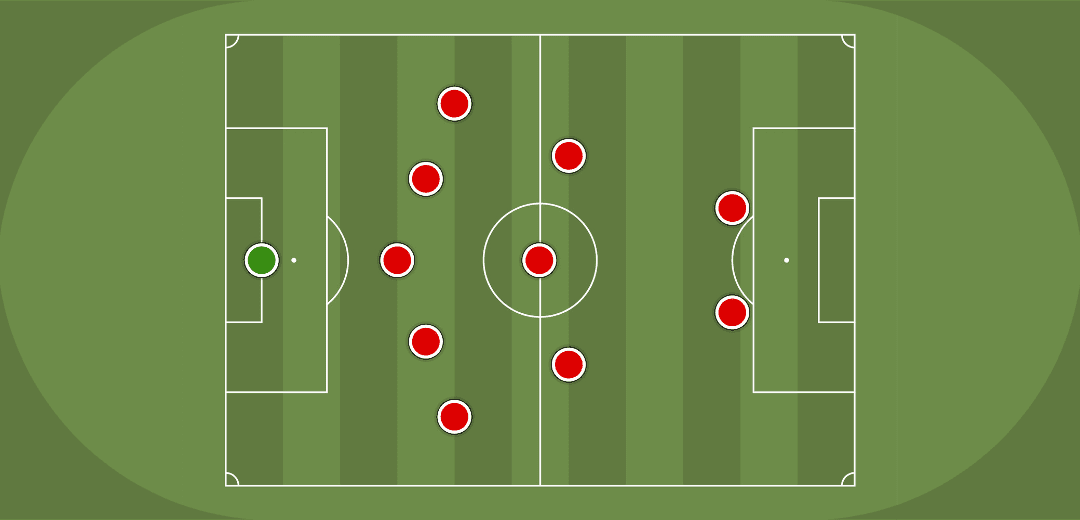 Read More about Mastering the 5-3-2 Soccer Formation: Tips and Strategies
Mastering the 5-3-2 Soccer Formation: Tips and Strategies
 Read More about How to Start a Football Career Professionally
How to Start a Football Career Professionally
 Read More about How to Improve Stamina and Endurance for Football
How to Improve Stamina and Endurance for Football
Latest Articles
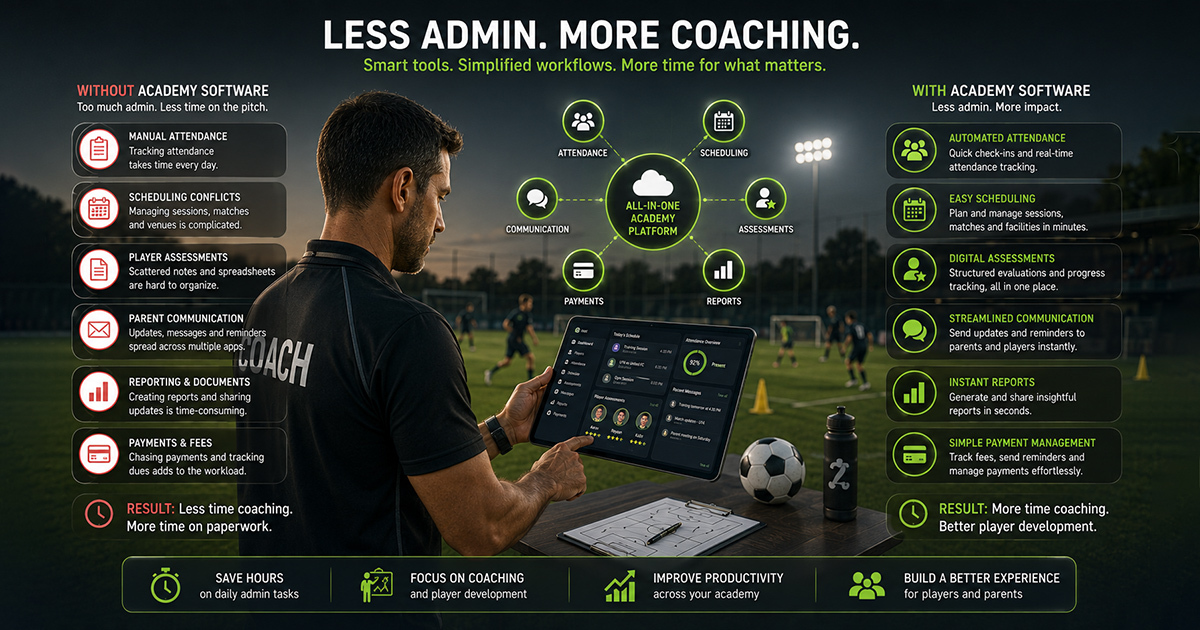 Read More about How Sports Academies Can Reduce Admin Work for Coaches
How Sports Academies Can Reduce Admin Work for Coaches
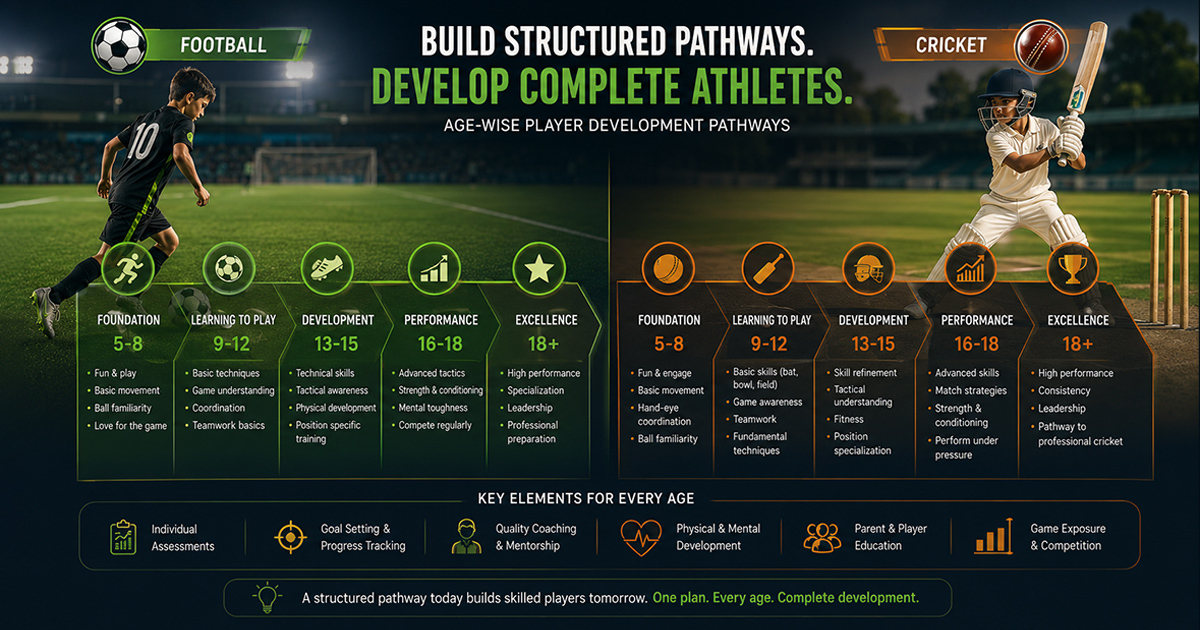 Read More about How to Build Age-Wise Player Development Pathways in Football and Cricket
How to Build Age-Wise Player Development Pathways in Football and Cricket
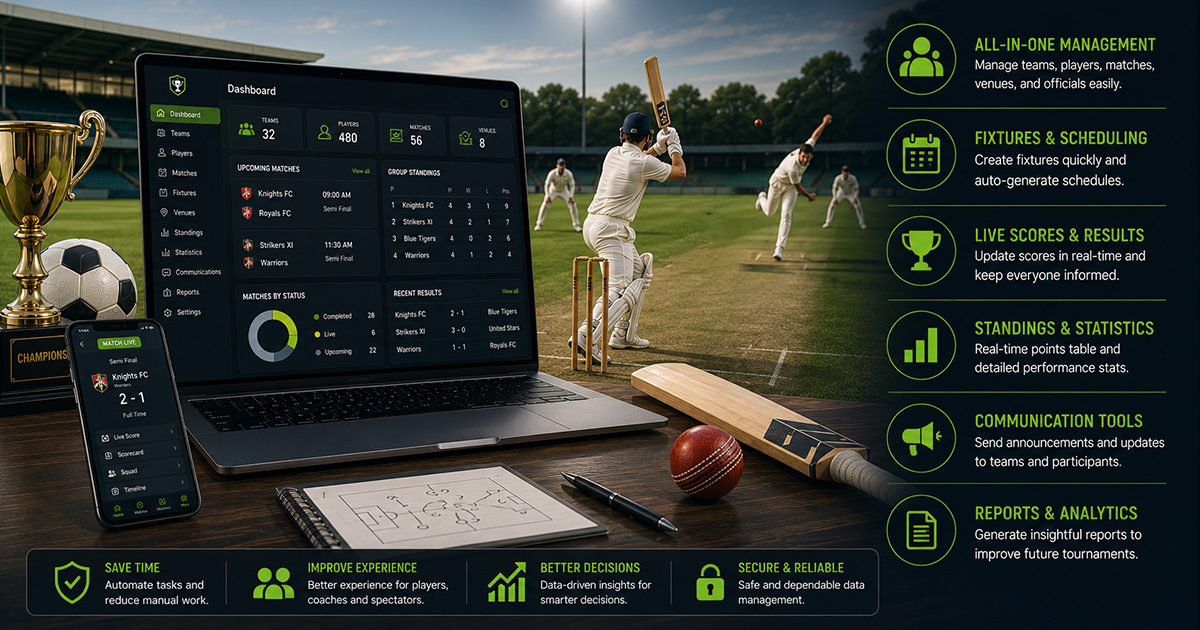 Read More about Tournament Management Software for Football and Cricket Organizers: A Practical Guide
Tournament Management Software for Football and Cricket Organizers: A Practical Guide
Ready to Bring Structure to Your Academy?
Let’s walk through your current setup and show you how 8lete can improve it.


