




Comprehensive Football Player Performance Assessment
In football, athletes show plenty of potential, but it's their development over time that truly shapes their game. A young individual might have speed or passion, but continuous improvement comes from consistent tracking and focused effort. Clubs need a clear way to assess each member's progress and identify areas for growth.
We understand how challenging it can be for young athletes and grassroots clubs to consistently monitor performance and identify growth areas amidst limited resources and fragmented processes.
At this level, success isn't measured just by match results, but by the small improvements that add up over time. A proper performance assessment, covering everything from technical skills to mental strength, helps guide this growth.
In this blog, we'll look at how clubs can assess performance and how platforms like 8lete make the whole process easier and more effective.
Enhancing Technical Skills

In football, technical skills are the building blocks that separate good athletes from great ones. Whether it's dribbling, passing, shooting, or ball control, these fundamental abilities define how an individual performs on the field. For coaches and clubs, evaluating and improving these skills is key to an athlete's development.
What Are Technical Skills?
Technical skills are the core abilities that enable a player to handle the ball effectively and execute strategies on the field. These include:
Dribbling: The ability to control the ball while evading opponents and maintaining possession.
Passing: Delivering accurate passes to teammates, whether short or long range.
Shooting: The skill of striking the ball to score goals with precision and power.
Ball Control: Receiving and controlling the ball efficiently, even under pressure.
These fundamental skills are essential for executing strategies and contributing to a team's success.
How Are Technical Skills Evaluated?
To truly understand an athlete's technical abilities, it's important to evaluate how they perform both in practise and in match situations. Here's how:
Drills: Focused exercises that assess passing accuracy, dribbling speed, and shooting technique.
Game Situations: Observing individuals in real match scenarios helps evaluate their ability to apply technical skills under pressure.
Match Analysis: Reviewing match footage and performance data provides detailed insight into a team member's strengths and areas for improvement.
Evaluating these skills helps coaches identify key development areas and create personalised training plans.
Why Are Technical Skills Crucial for Development?
Technical skills form the foundation of an individual's growth and are vital for:
Executing Game Strategies: Athletes with solid technical skills can better execute tactical plans and contribute effectively in matches.
Building Confidence: Mastery of basic skills boosts an athlete's self-assurance on the field.
Improved Decision-Making: Those who are comfortable with their technique can focus on making smarter, more strategic decisions.
Regular evaluation is essential to continuously improve and refine skills, which is crucial for long-term development. Technical skills form the foundation of football, and by consistently assessing and working on these abilities, clubs can ensure a player has the solid base they need to succeed and reach their full potential.
The Power of Physical Fitness in Football

In football, skill alone isn't enough. Physical fitness plays a crucial role in performance, with speed alone accounting for 28% of overall football performance at the college level. Strength, agility, and endurance also contribute. For clubs, evaluating and tracking fitness ensures individuals stay in top condition, maximizing their potential on the field.
What is Physical Fitness?
Physical fitness for footballers is made up of several key elements:
Endurance: The ability to maintain high levels of energy and performance throughout the entire match.
Strength: The power to win physical battles, hold off challenges, and be dominant in tackles.
Speed: Quickness to accelerate, sprint, and make those crucial runs on the pitch.
Agility: The ability to change direction rapidly and respond quickly to the ball and the opposition.
A solid foundation in these areas is essential for any player to perform at their best.
How is Physical Fitness Evaluated?
Clubs use various tests and drills to assess an athlete's fitness:
Fitness Tests: These tests gauge overall stamina and endurance, such as running drills designed to measure how long an individual can maintain a high level of intensity.
Sprints: Short-distance sprints track speed and acceleration, critical for those needing quick bursts of pace.
Endurance Drills: These drills assess an athlete's ability to maintain physical effort throughout the match.
Heart Rate & Recovery: Monitoring heart rate during and after exertion provides insights into cardiovascular fitness and how quickly an athlete recovers.
Energy Expenditure: Tracking how much energy is used during a game helps understand fitness levels and efficiency.
Physical fitness plays a key role in overall performance. You can get a better idea of how to improve your team' fitness with these exercises demonstrated in this video.
Why Does Physical Fitness Matter?
Physical fitness directly influences a player's overall performance:
Injury Prevention: Being in peak physical condition reduces the risk of injuries due to fatigue or lack of strength.
Sustained Performance: Fitness ensures the ability to maintain intensity throughout the match, without a drop in performance.
Competitive Edge: Superior fitness provides the stamina to outlast opponents, making one more effective in key moments.
Regular fitness evaluations help athletes maintain peak physical form, ensuring they’re always ready for the next challenge. By consistently tracking fitness metrics, clubs can monitor progress and make informed adjustments to training, ultimately boosting performance and preparing individuals for upcoming matches.
Mastering Tactics and Decision-Making

Tactical awareness is the ability to read the game, make quick decisions, and position oneself strategically. It's about understanding the flow of the game and reacting in real-time, knowing when to press, when to defend, and where to be at the right moment. For grassroots clubs, developing this aspect of the game is just as important as physical and technical skills.
What is Tactical Awareness?
Tactical awareness is a player's ability to understand and react to the game's flow. Key aspects include:
Game Flow Understanding: Knowing when to attack, defend, or control the tempo.
Positioning: Being in the right spot to support the team or intercept the ball.
Quick Decision-Making: Reacting quickly and effectively under pressure.
Individuals with high tactical awareness anticipate the game before it unfolds, making smarter decisions that impact the match.
How is Tactical Awareness Evaluated?
Coaches assess tactical awareness by watching how athletes perform in real-time situations:
Game Understanding: How well your player can adjust to changing situations.
Decision Speed: How quickly your player can assess a situation and make an effective choice under pressure.
Positioning: How your player can position yourself to support team play.
These evaluations help coaches understand how well individuals read the game and make smart decisions during matches.
Why is Tactical Awareness Important?
Tactical intelligence is key to an individual's development. It helps:
Execute Team Strategies: Individuals with tactical awareness can follow and adjust to strategies during matches.
Outsmart Opponents: Understanding the game's flow lets athletes outthink their opponents and create opportunities.
Create Match-Winning Opportunities: Quick, smart decisions can lead to game-changing moments.
A comprehensive review found that teams employing counterattacking tactics, a hallmark of tactical awareness in transitions, experience a 40% increase in the success of offensive sequences compared to teams relying on positional attacks.
By tracking key metrics and analysing decision-making, clubs can help refine skills and elevate performance, leading to better outcomes on the pitch.
The Power of Psychological Strength

In football, success is also about how players handle pressure, recover from mistakes, and stay focused during crucial moments. Mental resilience plays a huge role in performance, especially in high-pressure situations. For clubs, nurturing this mental strength is essential for developing well-rounded athletes.
What Are Psychological Attributes?
Psychological attributes include the mental traits that enable players to perform at their best, especially under pressure. These include:
Mental Toughness: The ability to stay strong and focused, regardless of challenges or setbacks.
Resilience: Bouncing back quickly from mistakes or tough situations in the game.
Focus: Maintaining concentration on the game, even when distractions arise.
Self-Confidence: Believing in one's abilities and decisions on the pitch.
Individuals with strong psychological traits can remain calm under pressure, recover from mistakes quickly, and keep their heads in the game when it counts the most.
How Are Psychological Attributes Evaluated?
Evaluating psychological attributes isn't as straightforward as measuring physical fitness or technical skills, but coaches can still assess them through several methods:
Interviews: Coaches often ask about experiences in high-pressure situations to gauge mindset and mental resilience.
Observations: Watching how individuals respond to adversity, such as missing a goal or being outplayed, helps assess mental toughness and resilience.
Psychological Testing: Some clubs use tests or surveys to measure psychological traits, such as stress management or emotional control.
Performance Under Pressure: Observing how individuals behave in high-stakes moments, like penalty shootouts or tight game situations, gives insight into their mental focus.
These evaluations allow coaches to understand how athletes handle pressure and their capacity to stay mentally strong during games.
Why Are Psychological Attributes Crucial?
A player's mental game is just as important as their physical or technical abilities. Here's why psychological attributes matter:
Handling Pressure: Those with mental toughness can perform well even under high-pressure situations, such as the final minutes of a match or dealing with a loud, hostile crowd.
Maintaining Focus: Someone who stays focused during crucial moments can make the right decisions and stay committed to the team's strategy.
Bouncing Back from Mistakes: Resilience helps individuals quickly recover from errors, turning setbacks into learning experiences rather than demotivating events.
Consistent Performance: Mentally strong team members maintain consistent performance throughout the game, regardless of how the match unfolds.
Psychological attributes such as mental toughness, resilience, focus, and self-confidence play a crucial role in success on the field. These traits help individuals stay composed under pressure and are just as important for long-term growth and development.
The Strength of Teamwork and Communication

In football, even the most skilled individuals need to work together to achieve success. Teamwork and communication are the driving forces behind a cohesive, effective team. Whether it's a well-timed pass, a defensive shift, or a coordinated attack, the best teams excel because their players communicate and work seamlessly together.
What is Teamwork and Communication?
Teamwork and communication involve understanding each other without words and making decisions as a cohesive unit. Key elements include:
Verbal Communication: Calling for the ball, giving directions, and coordinating strategies during matches.
Non-Verbal Communication: Recognising teammates' movements and positioning, and understanding silent cues.
Pass and Positioning Awareness: Knowing where to be and when to pass or move, ensuring the team functions as a unit.
Effective teamwork ensures that players understand each other's intentions, even without direct communication, leading to smoother transitions and more efficient play.
How Is Teamwork and Communication Evaluated?
Evaluating teamwork and communication involves observing how players interact both on and off the ball. Here's how clubs can assess these skills:
Coordination During Matches: Watching how well team members move in sync, whether attacking or defending, and how quickly they react to each other's actions.
Understanding Movements: Evaluating how teammates anticipate and react to each other's movements, passes, and positions during fast-paced situations.
Reaction Time and Support: How quickly team members communicate or reposition to offer support when needed.
Effective communication and seamless teamwork are often the difference between a team that wins and one that struggles, even with talented individuals.
Why Does Teamwork and Communication Matter?
Strong teamwork and communication are crucial because they:
Enhance Team Cohesion: When team members work together seamlessly, the group becomes more than the sum of its parts.
Improve Match Execution: Effective communication enables the team to execute complex strategies and adapt quickly to the game's flow.
Create Opportunities: By understanding and anticipating teammates' movements, the team can create and finish chances more effectively.
Strengthen Defence: In defence, coordination ensures the team covers spaces effectively and prevents opponents from breaking through.
Football is all about teamwork, and effective communication is at the heart of a successful team. By nurturing these skills, clubs can build a stronger, more united squad, leading to improved performance and better results on the pitch.
Continuous Improvement Through Post-Match Reviews

In football, every match holds valuable lessons. Post-match reviews are essential for helping players reflect on their performance, learn from their mistakes, and build on their successes. These reviews are not just about identifying what went wrong but also about recognising what went right and using that knowledge for future growth.
What is Post-Match Review?
A post-match review is a detailed analysis of performance after each game. It evaluates both successes and mistakes to highlight areas for improvement. The aim is to provide constructive feedback that helps players refine their skills and foster growth. Key components include:
Mistakes and Corrections: Recognising areas for improvement and providing specific, actionable advice.
Successes and Strengths: Highlighting what went well and reinforcing good habits and decision-making.
Overall Growth: Assessing progress over time, not just from one match to the next.
Post-match reviews help individuals understand what worked, what didn't, and how to make adjustments for future games.
How is Post-Match Review Conducted?
A thorough post-match review typically involves several key steps:
Video Analysis: Reviewing match footage allows coaches and athletes to see key moments, both good and bad, in real time. It helps break down decision-making, positioning, and execution.
One-on-One Reviews: These discussions between coaches and athletes provide a more personal touch. Coaches can offer tailored feedback, answer questions, and set goals for improvement.
Data Insights: Performance data, such as pass accuracy, shots on target, or defensive coverage, can help coaches highlight areas for improvement or reinforcement.
Providing feedback should be balanced; individuals need to understand where they need to improve, but also where they've excelled. Constructive criticism coupled with praise keeps motivation high and encourages continuous development.
Why is Post-Match Review Important?
In football, the learning process doesn't end when the final whistle blows. Post-match reviews provide a critical opportunity to evaluate performance, identify areas for improvement, and celebrate successes. These reviews are about helping individuals grow, learn, and continuously strive to improve.
Continuous Improvement: Post-match reflection helps team members learn from mistakes and build on strengths, ensuring consistent progress.
Identifying Weaknesses: Reviews help coaches pinpoint struggles, allowing for targeted training and tailored feedback for improvement.
Celebrating Successes: Recognising successes boosts confidence, reinforces good habits, and keeps morale high.
Building Accountability: Post-match reviews hold team members accountable, encouraging focus and motivating continuous improvement.
Knowing that performance will be reviewed motivates individuals to stay engaged and give their best. Post-match reviews are essential for development, fostering continuous improvement, highlighting areas for growth, celebrating successes, and building accountability. This structured feedback process helps individuals stay focused, refine their skills, and consistently push towards their goals.
Embracing Technology for Player Development
Technology is a game-changer when it comes to assessments. It allows clubs to track real-time data, provide precise feedback, and make quicker, more informed decisions. For clubs aiming to professionalise operations and optimise development, integrating technology is essential.
Why Use Technology in Assessments?
Technology enhances player assessments by offering:
Real-Time Data: Track performance instantly, with up-to-date stats for immediate action.
Precise Feedback: Data-driven insights ensure accurate feedback to drive improvement.
Objective Evaluation: Technology provides an unbiased, metrics-based view of performance.
Better Decision-Making: Coaches can make faster, more informed decisions with the help of real-time data.
How 8lete's Features Can Help
8lete offers a suite of features to help clubs improve assessments:
Performance Dashboard: Track metrics like pass accuracy, sprint speed, and shot precision for detailed insights.
Match Analytics: Review match footage with stats to improve decision-making and tactical awareness.
Player Profile: Maintain a digital resume of performance, including stats, feedback, and videos.
Automated Reporting: Generate detailed reports after each match to streamline feedback.
These tools help clubs make data-driven decisions and track long-term development. Technology is essential for efficient assessments and continuous growth. With 8lete's tools, clubs can optimise performance tracking, offer precise feedback, and create personalised training plans.
Conclusion
Player evaluation is all about tracking every aspect of an athlete's development, from technical skills to mental resilience. Each individual brings their own unique strengths, and understanding their growth journey helps clubs create a more well-rounded, complete team. Refining technique, building mental toughness, and focusing on each component of development are all essential steps in shaping successful football careers.
8lete makes it easy to assess and track every part of an athlete's journey. With tools like the Assessment, Analytics, and Performance Dashboard, clubs can gain a deeper understanding of progress, offering actionable feedback that drives continuous improvement.
If you're looking to improve player development and create a stronger team, 8lete for Clubs is here to help. Start using our tools today to track progress, provide meaningful feedback, and foster growth. Together, we can build a thriving football community. Contact us today!
Related Articles
 Read More about How to Improve Your Football Skills and Techniques
How to Improve Your Football Skills and Techniques
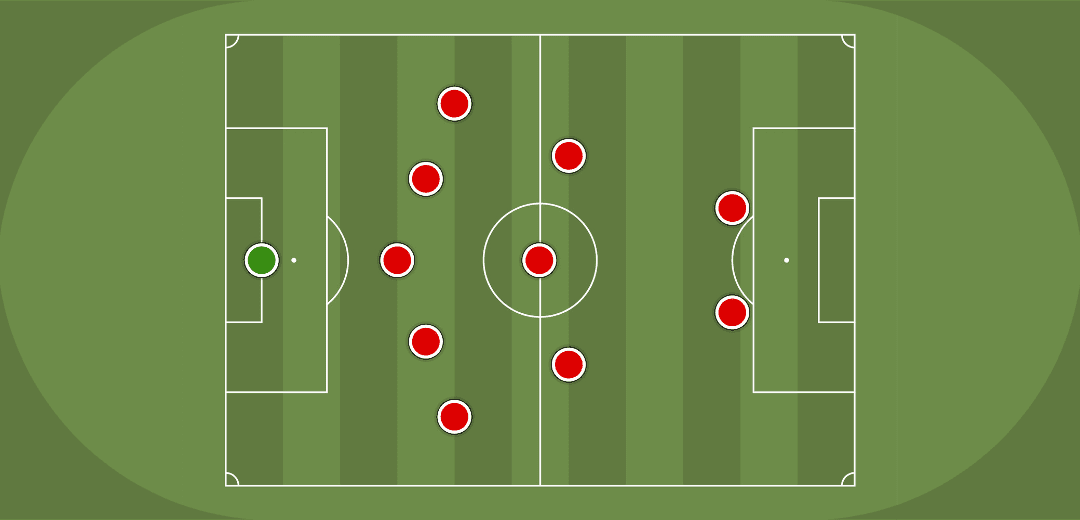 Read More about Mastering the 5-3-2 Soccer Formation: Tips and Strategies
Mastering the 5-3-2 Soccer Formation: Tips and Strategies
 Read More about How to Start a Football Career Professionally
How to Start a Football Career Professionally
Latest Articles
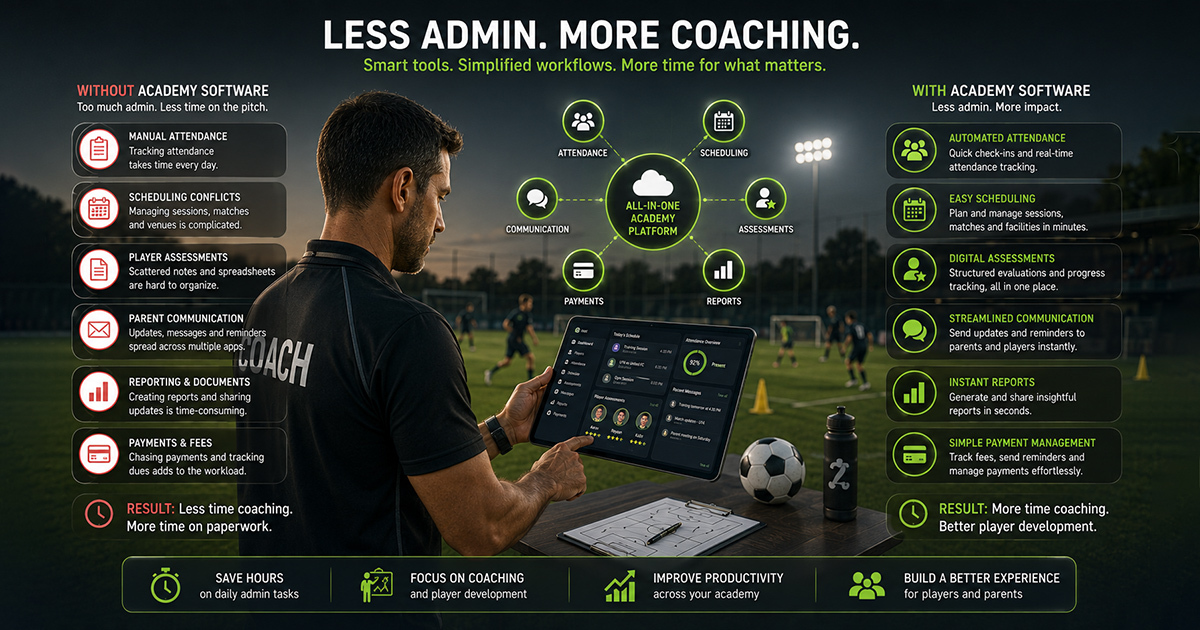 Read More about How Sports Academies Can Reduce Admin Work for Coaches
How Sports Academies Can Reduce Admin Work for Coaches
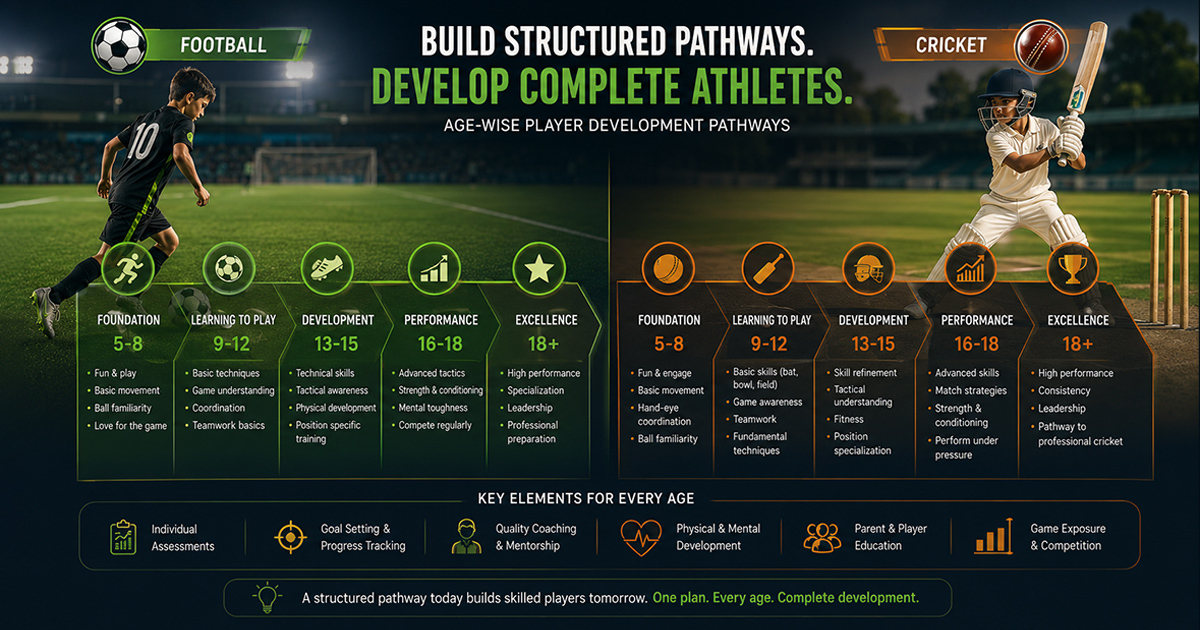 Read More about How to Build Age-Wise Player Development Pathways in Football and Cricket
How to Build Age-Wise Player Development Pathways in Football and Cricket
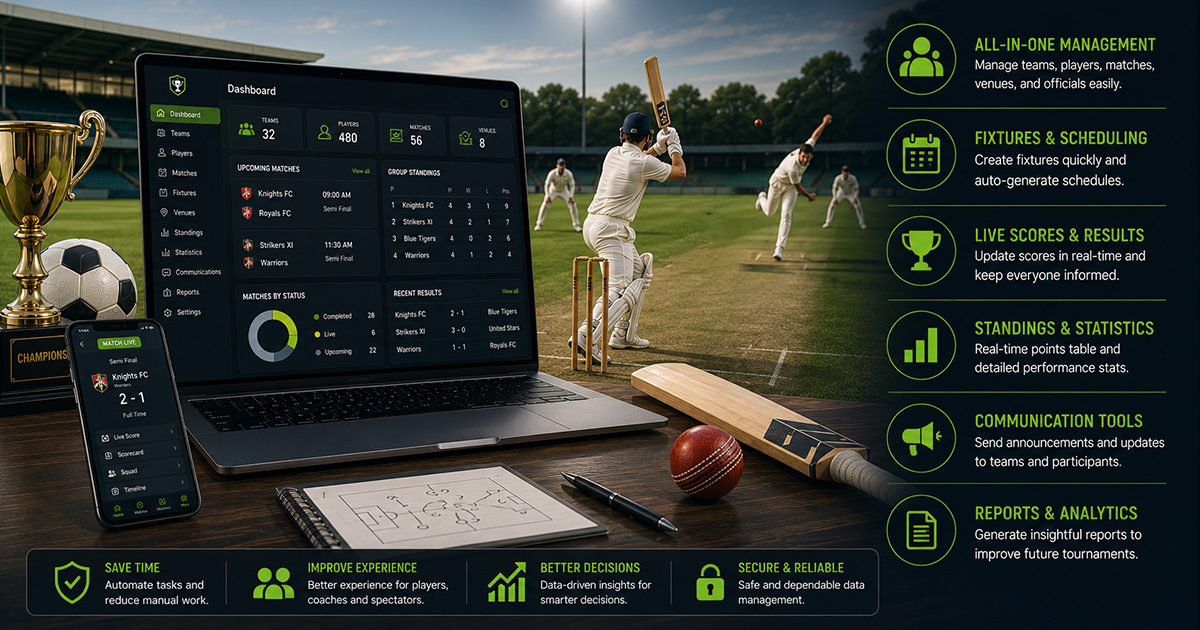 Read More about Tournament Management Software for Football and Cricket Organizers: A Practical Guide
Tournament Management Software for Football and Cricket Organizers: A Practical Guide
Ready to Bring Structure to Your Academy?
Let’s walk through your current setup and show you how 8lete can improve it.


