




Why You’re Not Getting Selected in Football Trials (And What Coaches Really Look For)
Understanding football trial selection criteria is crucial for any player hoping to secure a spot in a team, as well as for parents and coaches guiding young players through trials. The frustration of not being selected often comes from missing the mark on what coaches truly value during evaluations. This article unpacks the real reasons players struggle in trials and offers practical insights on what to focus on to improve chances of success.
What is Football Trial Selection Criteria?
Football trial selection criteria are the range of qualities, skills, and behaviours coaches observe during player trials to decide who fits their team or academy. These include technical ability, physical attributes, tactical understanding, attitude, and mental resilience.
Selection is not just about flashy skills or speed; it’s a holistic assessment that values consistent development and team fit. Understanding these criteria helps players and parents focus preparation on what truly matters.
Common Reasons Players Don’t Get Selected in Football Trials
Common reasons for trial rejection often stem from under-preparation, poor decision-making under pressure, or failing to demonstrate a coachable attitude. Players might show technical skills but lack game intelligence or focus during trial drills and small-sided games.
Sometimes, players struggle because they don’t fit the team’s playing style or physical demands at that moment. Others may lack the mental readiness to adapt, communicate well, or work in a cohesive team environment.
What Coaches Really Look For in Trials
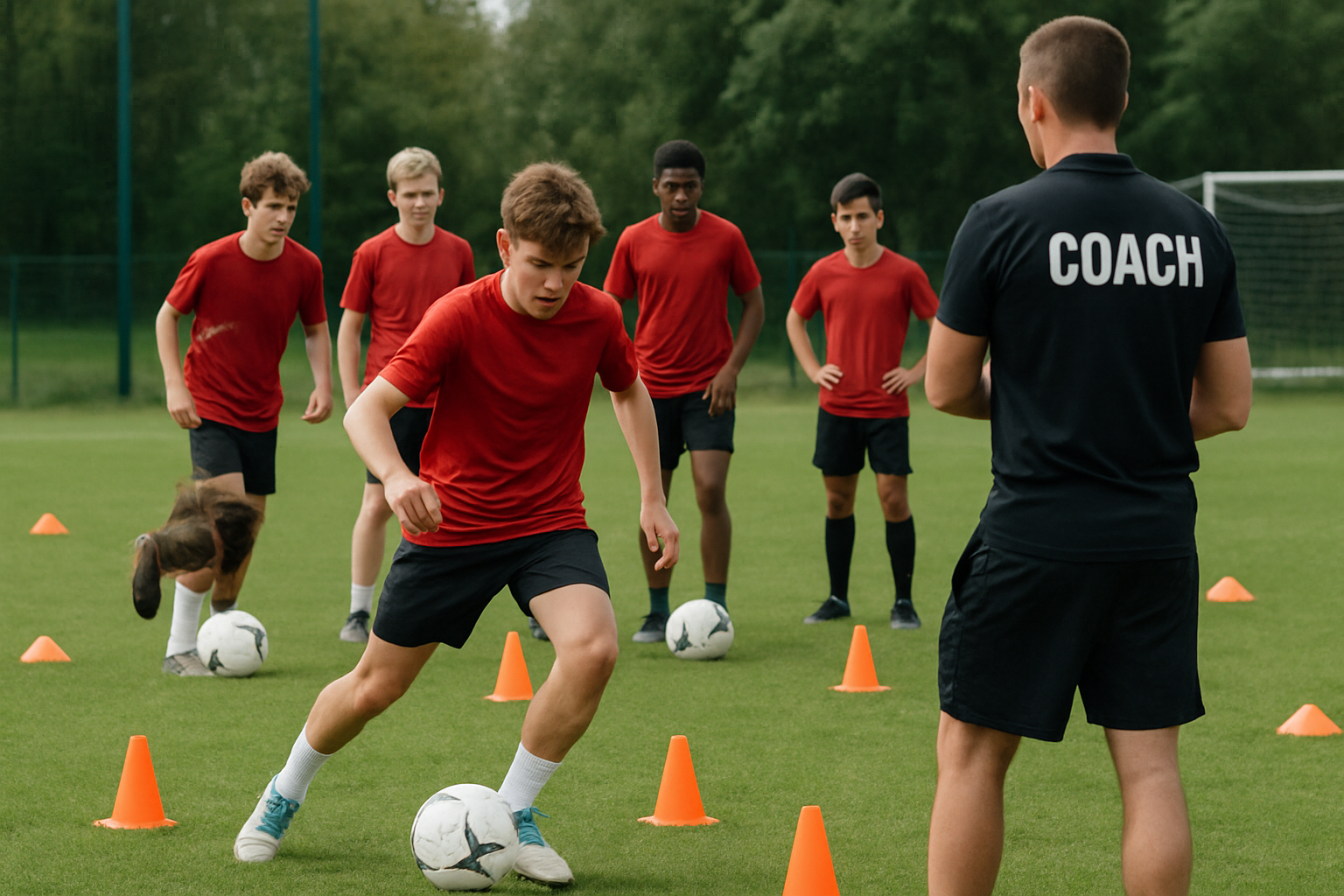
Coaches evaluate players through several key lenses: technical skills, tactical understanding, physical capacity, attitude, and mental toughness. Beyond first impressions, they seek players who demonstrate learning ability, discipline, and consistency in effort.
Showing good habits during trials—such as listening to instructions, staying engaged, and making smart decisions under pressure—often weighs heavily in selection decisions. Coaches appreciate players who contribute positively to the group dynamic and handle mistakes constructively.
Practical Tips to Improve Your Football Trial Performance
Improving trial performance begins before the trial day itself. Preparation should include physical conditioning, technical drills, and mental readiness exercises. Practising football-specific skills regularly, such as passing under pressure, shooting accuracy, and close control helps build confidence.
Equally important is understanding the trial environment: simulate match scenarios, focus on communication, and develop a strong work ethic in training. Coaches value players who arrive ready to learn, adapt, and display resilience if things don’t go perfectly.
Consistent effort and learning attitude matter more to coaches than flashy skills in football trials.
Practical Implementation for Grassroots Clubs
Grassroots clubs and academies can support player success at trials by fostering structured training systems that emphasize holistic development. This includes regular feedback loops, player development tracking, and exposing players to varied football situations.
Creating environments that focus on decision-making, recovery, and mental growth helps players develop the resilience and adaptability coaches look for during football trial evaluations. Clubs can also educate parents on setting realistic expectations and the importance of long-term progress over immediate selection.
Common Development Mistakes to Avoid Before Trials
Many players and parents focus too heavily on short-term flashy improvements rather than consistent training habits that underpin football trial selection criteria. Neglecting areas like tactical awareness, mental preparation, or recovery can limit a player’s readiness.
Another mistake is overloading on individual drills without integrating them into team play or practice under pressure. Players who don’t manage nerves, communicate, or maintain discipline during trials often miss selection despite technical ability.
How to Prepare for Football Trials Step by Step
Preparation involves a balanced approach combining technical work, physical fitness, mental readiness, and understanding the evaluation process. Here is a simple framework players can follow:
- Training: Regular, focused practice on key football skills and physical conditioning.
- Feedback: Seek honest assessment from coaches and reflect on areas for improvement.
- Simulation: Participate in match-like scenarios and small-sided games to develop tactical understanding.
- Mindset: Prepare mentally by practising focus, resilience, and positive self-talk.
- Recovery: Ensure proper rest and nutrition leading up to the trial day.
Following this framework supports sustained development and boosts confidence for trial day.
Why Players Struggle With Football Trial Selection
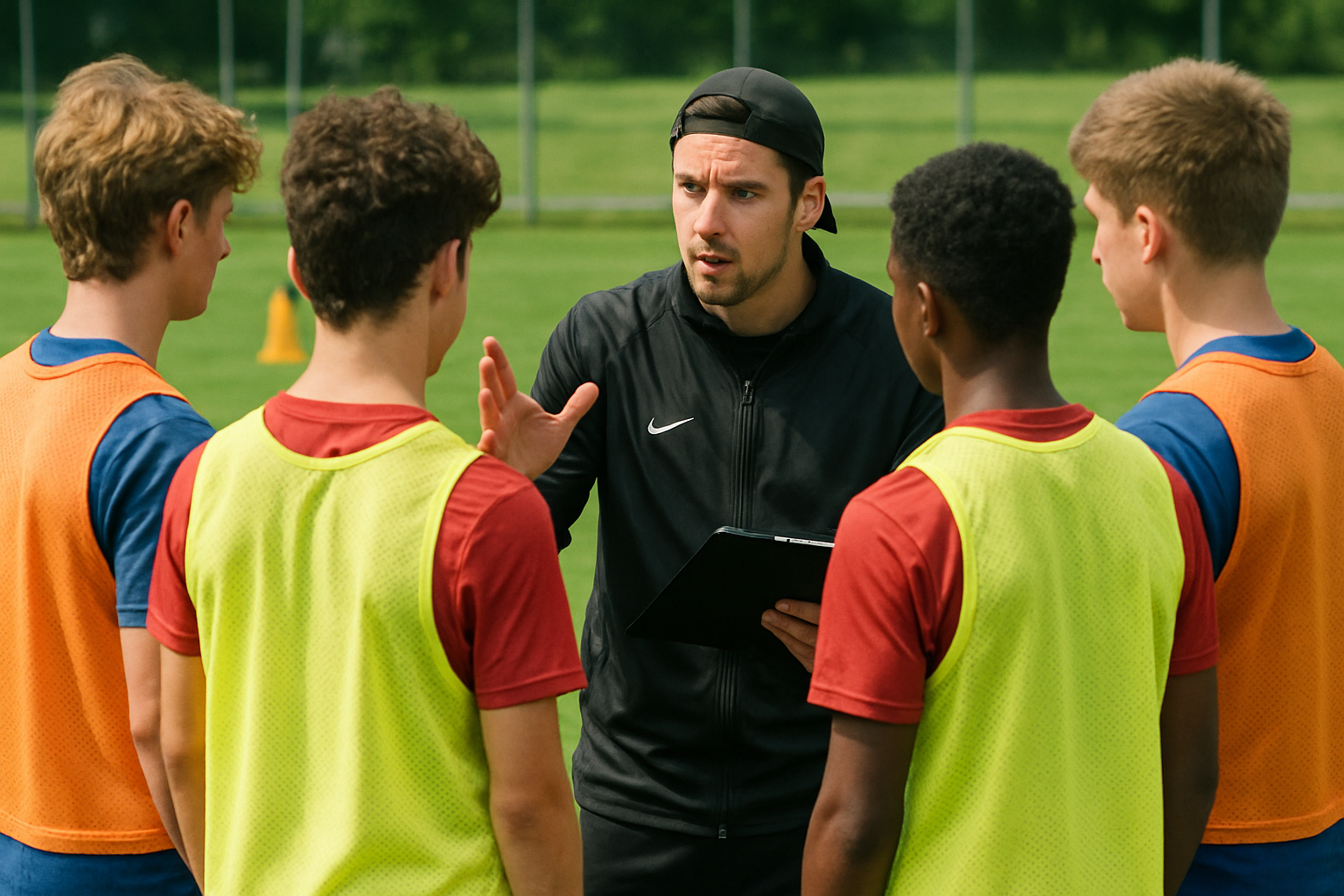
Many players focus too narrowly on impressing with raw talent during trials but overlook the importance of football intelligence and coachability. This imbalance leads to missed opportunities despite technical skill.
Additionally, some players lack the physical or mental preparation for the fast pace and pressure of trials. This can result in inconsistent performances and missed chances to demonstrate growth mindset qualities that coaches respect.
Conclusion
Understanding football trial selection criteria is essential for players, parents, and coaches navigating the challenging environment of youth football trials. Players who focus on holistic development—balancing technical skill, tactical awareness, mental toughness, and attitude—stand the best chance of success. Grassroots clubs play a vital role in nurturing these qualities through structured training and consistent feedback. By embracing a long-term development approach that values discipline, decision-making, and resilience over one-off impressive moments, players enhance their readiness and adaptability during trials. Parents supporting this journey can help by setting realistic expectations and encouraging continuous growth, rather than focusing solely on selection outcomes. Ultimately, approaching trials as a learning process enables players to build the habits and mindset crucial for football progression and career sustainability.
What is football trial selection criteria?
Football trial selection criteria are the qualities and skills coaches assess during trials to decide which players fit their team or academy.
How does the football trial evaluation process work?
Coaches observe players in drills and match situations, assessing technical skills, tactical understanding, physical fitness, attitude, and mental resilience.
How to get selected in football trials?
Focus on consistent training, demonstrate good attitude and coachability, prepare physically and mentally, and show understanding of the game during trials.
Why am I not improving my football skills for trials?
Improvement may stall if training lacks variety, focus, or game-like situations. Mental readiness and recovery also play essential roles.
What are common reasons for trial rejection?
Common reasons include poor decision-making, lack of discipline, inadequate physical fitness, and difficulty adapting under pressure.
How to train to improve football trial performance?
Train with structured drills, simulate game scenarios, seek feedback from coaches, and work on mental toughness and consistency.
What is the best age to start preparing seriously for football trials?
Serious preparation can begin from around age 10, focusing on foundational skills, physical development, and learning environments.


Related Articles
 Read More about Why Grassroots Football Player Development Tracking Is Essential for Lasting Progress
Why Grassroots Football Player Development Tracking Is Essential for Lasting Progress
 Read More about How Young Footballers Get Discovered: Pathways from Training Ground to Scouts
How Young Footballers Get Discovered: Pathways from Training Ground to Scouts
.jpg) Read More about How Top Football Academies Track Player Progress (And Why Most Don't)
Read More about How Top Football Academies Track Player Progress (And Why Most Don't)How Top Football Academies Track Player Progress (And Why Most Don't)
Latest Articles
 Read More about How Sports Academies Can Reduce Admin Work for Coaches
How Sports Academies Can Reduce Admin Work for Coaches
 Read More about How to Build Age-Wise Player Development Pathways in Football and Cricket
How to Build Age-Wise Player Development Pathways in Football and Cricket
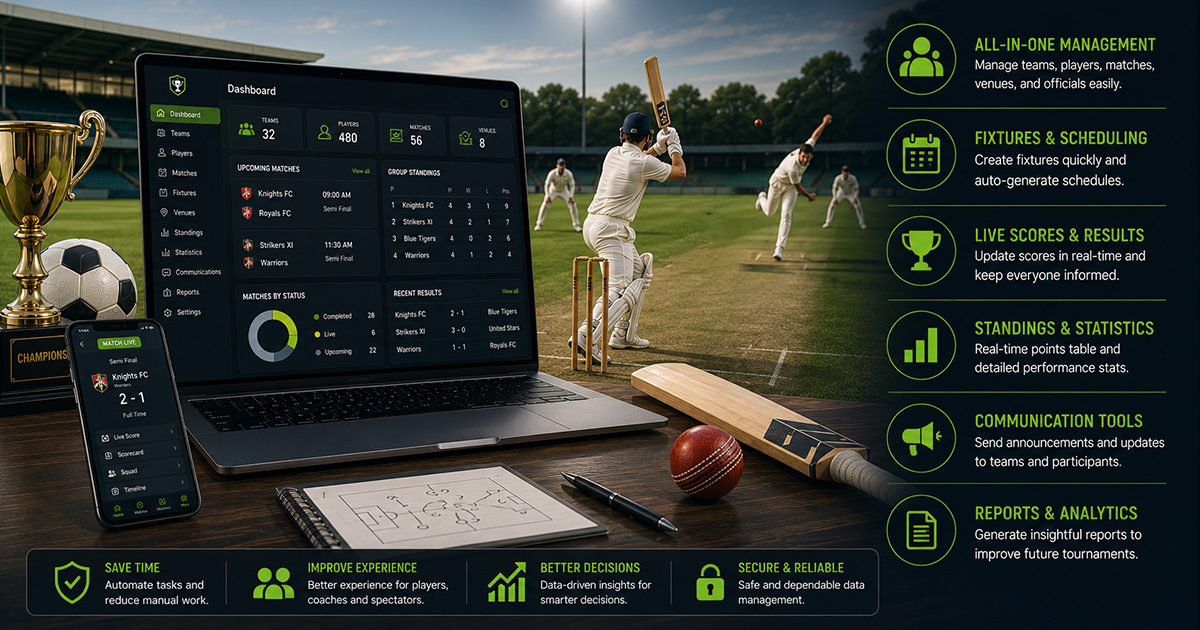 Read More about Tournament Management Software for Football and Cricket Organizers: A Practical Guide
Tournament Management Software for Football and Cricket Organizers: A Practical Guide
Ready to Bring Structure to Your Academy?
Let’s walk through your current setup and show you how 8lete can improve it.


