




How Data Analytics in Football Academies Is Transforming Player Development and Operations
At the heart of modern football academies lies a growing challenge: how to effectively use data analytics in football academies to enhance player development and streamline academy operations. Coaches, club owners, and technical directors often struggle with making sense of abundant performance information to support long-term growth rather than short-term results. This article clarifies how grassroots academies can integrate technology practically, ensuring that data becomes a tool for structured development, talent identification, and better coaching decisions.
What is Data Analytics in Football Academies?
Data analytics in football academies is the collection, measurement, and analysis of performance and player information to inform coaching, development, and operational decisions. It includes tracking physical metrics, technical actions, and match involvement to provide objective insights that complement traditional coaching observations.
This approach helps academies build a thorough understanding of each player’s strengths, weaknesses, and improvement areas in a structured and measurable way. It supports better decision-making for player progression and talent identification, especially in grassroots football environments where resources may be limited.
The Impact of Data on Player Development in Grassroots Academies
Data analytics brings clarity to player development by providing objective feedback players and coaches can act on. For example, performance tracking in football academies often includes metrics such as distance covered, number of successful passes, shooting accuracy, and recovery time. Coaches can use this information to tailor training exercises that address specific technical and physical needs.
Furthermore, consistent performance data enables monitoring of player progression over time. This longitudinal insight is crucial for maintaining realistic expectations and supporting mental growth, as players see tangible evidence of their improvements or recognize areas needing more work, reinforcing disciplined practice habits.

How Football Academy Technology Trends Enhance Talent Identification
Modern tools for football academies have transformed how talent is identified. Using data analytics for talent identification combines video analysis, GPS tracking, and performance metrics to provide a comprehensive profile of players. This objective profiling reduces bias and helps coaches spot potential often overlooked in traditional scouting.
Technology integration in grassroots football means that even smaller academies can gather reliable data to compare players fairly, enabling more informed selection and recruitment decisions. It also supports player self-awareness, encouraging young footballers to engage proactively with their development journey.
Integrating Football Coaching with Data Analytics
Using data effectively requires coaches to blend traditional football knowledge with new technology insights. Football coaching with data analytics involves interpreting numbers alongside tactical and technical observations to refine training plans. For grassroots coaches, this means using manageable datasets rather than overwhelming spreadsheets.
Coaches should prioritize data that aligns clearly with development goals and communicate findings simply to players and parents. This open communication nurtures a learning environment where feedback is practical, focused, and supports repetition and consistency.
Effective data use bridges traditional coaching and player growth through clear, practical feedback.
Practical Implementation for Grassroots Clubs
Grassroots clubs aiming to adopt data analytics can start with simple performance tracking tools such as GPS watches, heart rate monitors, and video recording apps. Establishing a workflow that connects training → feedback → tracking → exposure → progression builds a cycle ensuring every insight leads to actionable growth.
It’s important to train coaches on data interpretation and create clear protocols for sharing information with players and parents. Such structured systems ease integration and increase transparency, creating a collaborative atmosphere beneficial for long-term development and consistent talent spotting.
Common Development Mistakes when Using Data
One frequent error is over-reliance on raw data without context, which can lead to misjudgments about a player's potential or progress. Another pitfall is focusing too much on short-term stats instead of tracking consistent improvement, which might affect a player’s confidence and motivation.
Additionally, poor communication about what data means can confuse players and parents, undermining trust in the development process. Avoiding these mistakes requires combining data insights with experienced coaching wisdom and clear dialogue.
The Future Role of Data Analytics in Football Academies
As data technologies improve, their role in football academies will deepen, especially concerning player development tracking, AI football assessment, and personalized training plans. Grassroots academies that adopt these tools thoughtfully will foster better structured environments where player progression is visible, measurable, and guided by evidence.
Staying updated with innovations in football academies helps coaches and clubs maintain a competitive developmental edge while nurturing well-rounded players ready for long-term success.

Conclusion
Data analytics in football academies offers a practical, modern approach to improving player development and refining academy operations. For grassroots clubs, the key is using technology to support structured training systems and clear communication rather than chasing every new tool. Integrating data with coaching expertise and a player-centered mindset enhances decision-making, talent identification, and long-term growth. Emphasizing consistent performance tracking, tailored feedback, and transparent workflows helps create a stable and supportive environment that benefits players, coaches, and parents alike. In this evolving landscape, embracing data thoughtfully paves the way for stronger, more visible player development pathways and academy innovations that truly work in practice.
What is data analytics in football academies?
Data analytics in football academies involves collecting and analyzing player performance information to improve coaching and development decisions.
How does using data improve player development?
Using data provides objective insights on strengths and weaknesses, allowing tailored training and tracking of progress over time.
How to improve football skills using data analytics?
Focus on analyzing key performance metrics and using that feedback to work consistently on targeted skills during training sessions.
Why do some players struggle with improvement despite data tracking?
Struggles often happen when data is taken out of context or feedback isn't clearly communicated, causing confusion or misaligned goals.
How to get better at talent identification with technology?
Combine objective data from multiple sources like GPS and video analysis with experienced observation for fairer and accurate player assessments.
What is the best way for grassroots academies to use data analytics?
Start with simple tools and build a structured workflow that links training, feedback, tracking, and progression without overwhelming coaches or players.
What is the best age to introduce data tracking in youth football?
Introducing basic performance tracking around U12 supports physical and technical awareness without focusing too heavily on numbers too early.
.jpg)

Related Articles
.jpg) Read More about Why Some Football Academies Produce Professionals While Others Don't: Key Success Factors
Read More about Why Some Football Academies Produce Professionals While Others Don't: Key Success FactorsWhy Some Football Academies Produce Professionals While Others Don't: Key Success Factors
 Read More about How Technology for Football Academy Management Can Simplify Operations and Boost Development
How Technology for Football Academy Management Can Simplify Operations and Boost Development
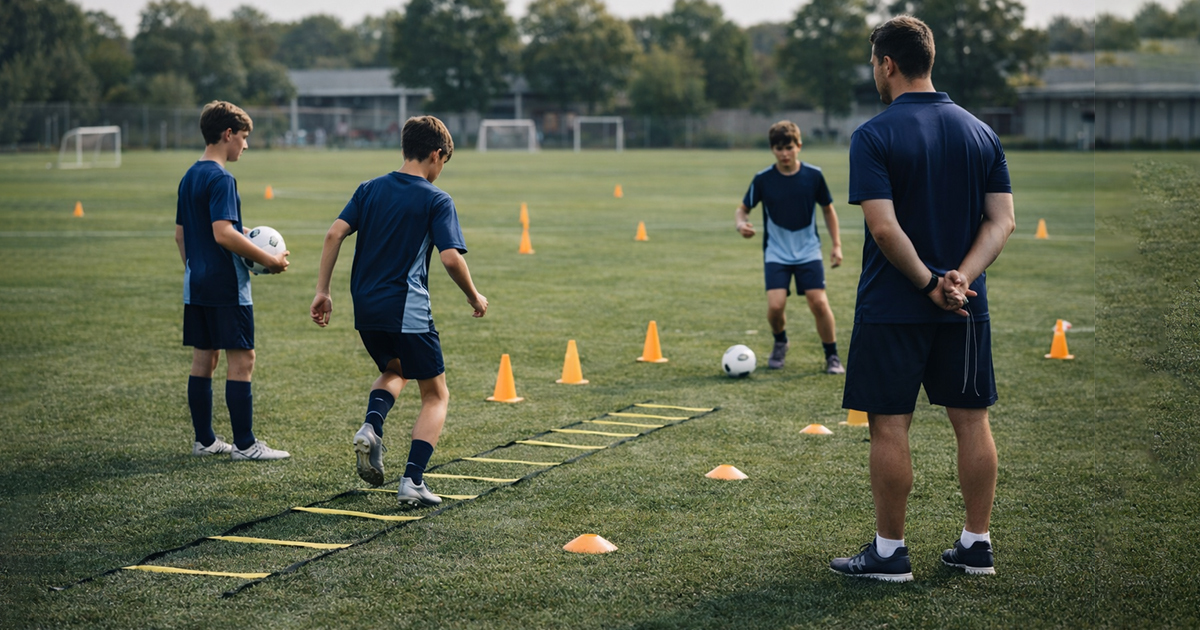 Read More about The 5 Systems Every Successful Football Academy Uses to Develop Elite Players
The 5 Systems Every Successful Football Academy Uses to Develop Elite Players
Latest Articles
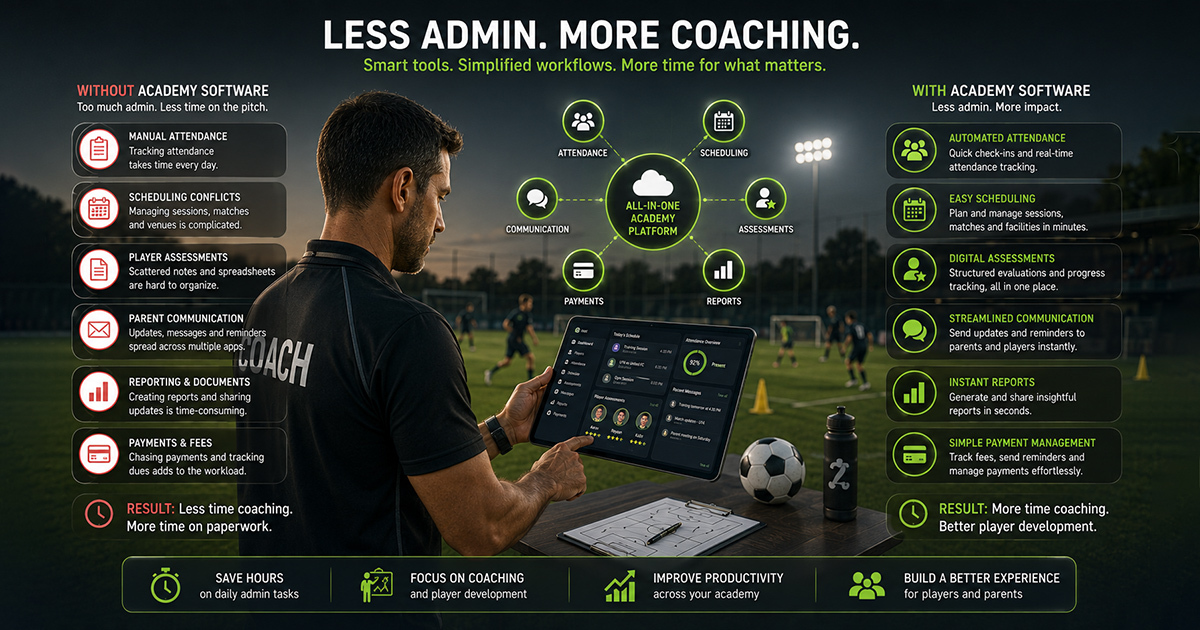 Read More about How Sports Academies Can Reduce Admin Work for Coaches
How Sports Academies Can Reduce Admin Work for Coaches
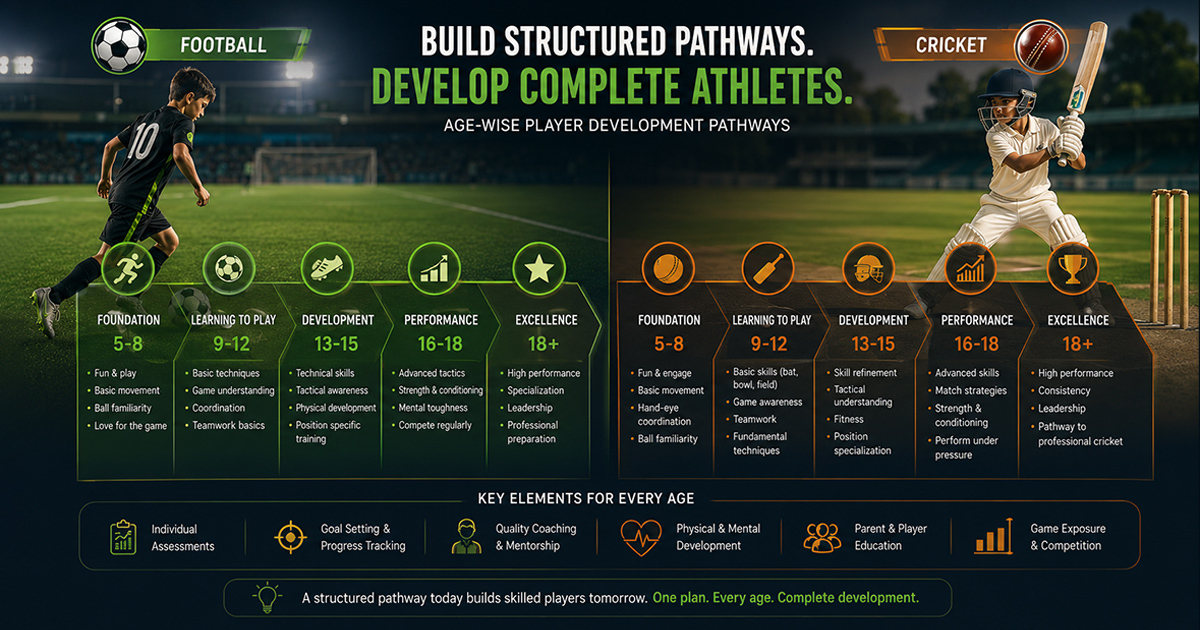 Read More about How to Build Age-Wise Player Development Pathways in Football and Cricket
How to Build Age-Wise Player Development Pathways in Football and Cricket
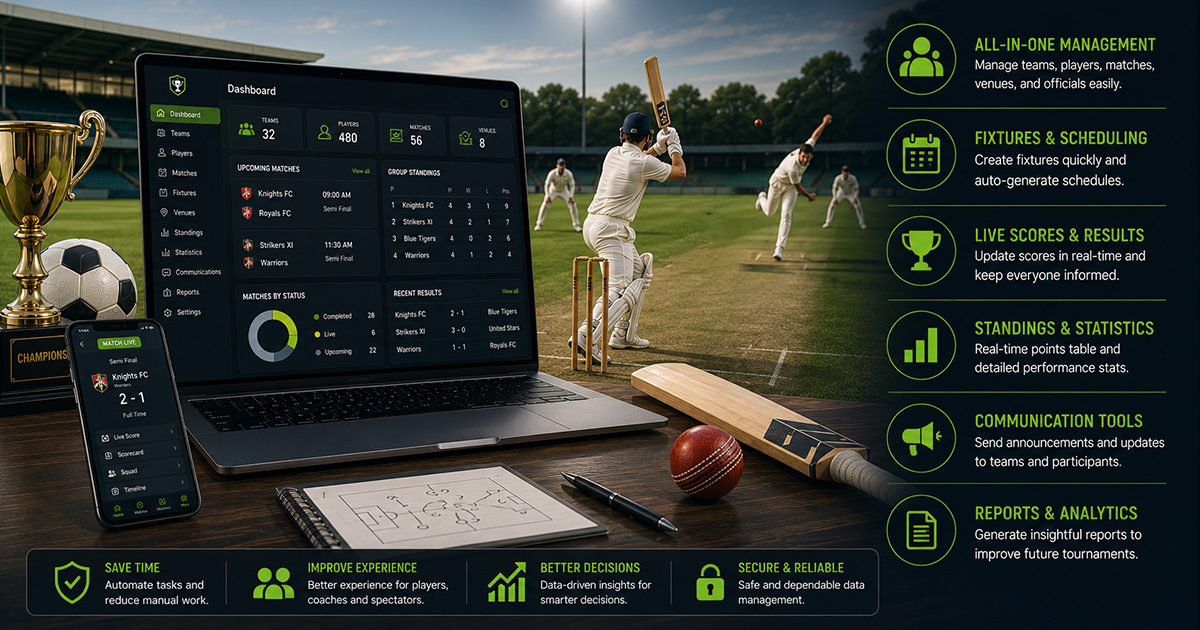 Read More about Tournament Management Software for Football and Cricket Organizers: A Practical Guide
Tournament Management Software for Football and Cricket Organizers: A Practical Guide
Ready to Bring Structure to Your Academy?
Let’s walk through your current setup and show you how 8lete can improve it.


