



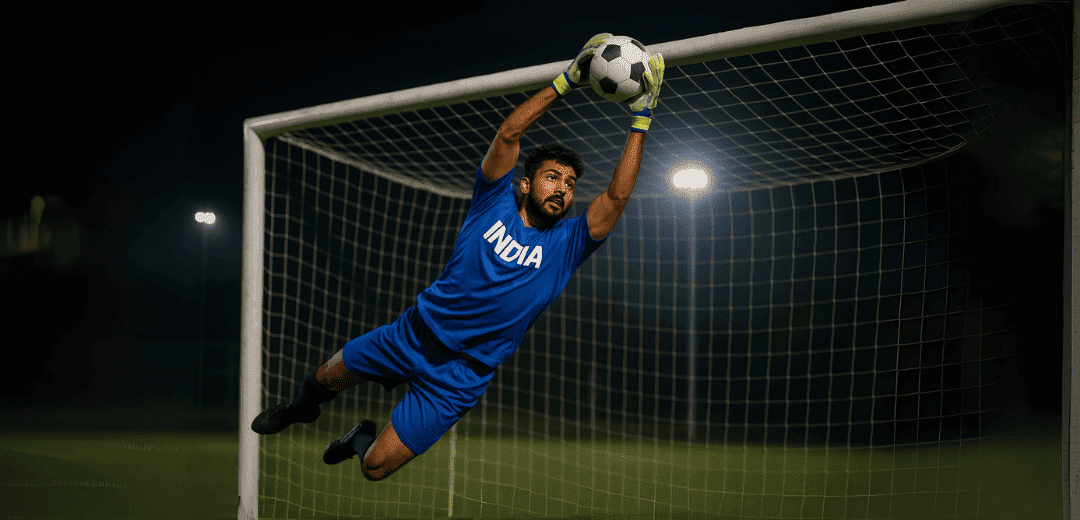
Goalkeeper Fitness: Boosting Endurance and Stamina
When the final whistle blows, most fans celebrate the goal scorers, while the true heroes of the match, the goalkeepers, often go unnoticed. Yet, the goalkeeper's role involves much more than stopping shots. To excel in their position, goalkeepers need endurance and stamina.
These physical attributes are not only vital for performance during matches but also play an essential role in mental focus and decision-making.
In this blog, we will understand why endurance is crucial for goalkeepers, how it shapes their performance, and the training techniques that can help elevate them to the next level.
The Importance of Stamina in Goalkeeping
Stamina for goalkeepers is essential for maintaining consistent performance throughout the game. It improves their anticipation and positioning, allowing them to move quickly across the goal and make rapid adjustments. A well-conditioned goalkeeper can better anticipate where the ball will go, increasing their chances of making crucial saves.
Key Physical Attributes Enhanced by Stamina

So, how exactly does stamina improve a goalkeeper's game? Here are three crucial physical traits that benefit from consistent endurance training:
Enhanced Anticipation and Positioning: A goalkeeper who's in good shape can move quickly across the goal, anticipating where the ball will be. Their ability to make quick positional adjustments increases dramatically with improved stamina.
Constant Vigilance and Quick Reactions: A fatigued goalkeeper may miss an incoming ball, even if it's close to them. On the other hand, a goalkeeper with strong stamina will always be vigilant and ready to react instantly, no matter how intense the game becomes.
Quick Recovery After Intense Actions: After a diving save or sprinting across the goal, a goalie's ability to recover quickly is essential. Stamina helps the body bounce back faster, ensuring the goalie stays in top form throughout the match.
Studies show that higher physical activity can reduce cardiovascular mortality by 30% to 50% and all-cause mortality by 20% to 50%. While not directly linked to performance, these findings emphasize the importance of stamina for long-term health, which in turn supports a goalkeeper's consistent performance throughout a match.
For clubs using 8lete, tracking and managing players' stamina through detailed performance analytics can help identify areas for improvement and support focused training.
The Role of Stamina in Goalkeeping

Stamina is crucial for a goalkeeper's ability to maintain high-intensity performance throughout a match. While endurance helps sustain performance over time, stamina enables goalkeepers to perform explosive movements and recover quickly during physically demanding moments.

Stamina's Impact on Performance

Sustained Explosiveness: Stamina helps goalkeepers maintain power for explosive actions like leaping, sprinting, and diving, even in the later stages of a match.
Quick Recovery During Intense Phases: Stamina allows goalkeepers to recover quickly after high-intensity actions, like saving a penalty or multiple dives, staying ready for the next challenge.
Mental and Physical Endurance: Stamina not only boosts physical strength but also mental focus, helping goalkeepers stay alert and perform at a high level, even when fatigued.
Training both stamina and endurance ensures goalkeepers are prepared for the demands of every match, maintaining performance in both intense moments and quieter phases.
With endurance playing a key role in sustaining overall performance, it's important to understand how it specifically impacts a goalkeeper's ability to stay alert and responsive throughout the entire match.
How Endurance Affects Goalkeeping Performance
Goalkeepers are unique athletes who need not only sharp reflexes but also the stamina to stay alert throughout the match, even during quieter phases. When fatigue sets in during the final moments of the game, endurance allows goalkeepers to maintain peak performance.
A physically prepared goalkeeper stays agile and responsive, ensuring they can always perform their best.
Reducing Mental Fatigue: A Key to Focus and Clarity
Endurance doesn't just benefit a goalkeeper physically; it plays a critical role in mental performance too. Here's how:
Mental Resilience: A well-conditioned goalkeeper is less prone to mental fatigue, helping them maintain focus and stay sharp throughout the match, even under pressure.
Quick Decision-Making: Strong stamina allows goalkeepers to make the right calls during high-pressure moments, such as when to rush out or stay on their line.
Anticipation & Reactivity: Endurance ensures goalkeepers can read the game and anticipate the opponent's moves, allowing for quick, effective reactions even when fatigued.
Developing mental fortitude alongside physical endurance is key to becoming a truly resilient goalkeeper. Stamina, in particular, is vital as it helps maintain focus and performance, ensuring goalkeepers can stay sharp and agile throughout the entire match.
To achieve this, it's essential to incorporate targeted training for both endurance and stamina.
How to Train for Endurance & Stamina
To build stamina, goalkeepers need a mix of specific exercises designed for their unique demands. Here are some training techniques that can make a huge difference:
High-Intensity Interval Training (HIIT): HIIT is one of the most effective methods for improving cardiovascular fitness and endurance. By alternating between short bursts of intense activity and rest, goalkeepers can mimic the high-energy bursts required in a match.
Tailored Exercises (Sprinting and Plyometrics): Sprints and plyometric exercises are fantastic for improving explosive power and speed. These are crucial for goalkeepers, who often need to make sudden, powerful movements, whether it's leaping for a high ball or dashing out to intercept a pass.
Aerobic Exercises: Long runs or cycling sessions can help increase overall stamina, helping goalkeepers maintain their energy levels throughout a match. These exercises focus on building aerobic capacity for sustained performance.
Agility Drills: Agility-focused exercises like ladder drills or cone weaves enhance foot speed and coordination, which is essential for goalkeepers to move quickly across the goal and react to fast-paced plays.
Building endurance through these techniques will significantly improve a goalkeeper's overall performance. With the right training, goalkeepers can achieve better stamina and physical readiness for every match.
Clubs using 8lete's platform can integrate these training techniques into their club's fitness plans, helping coaches track player progress, offer personalised training, and ensure optimal stamina development.
To maximise these gains, it's crucial to incorporate both endurance and stamina into a well-rounded fitness plan.
Incorporating Endurance & Stamina into Fitness Plans

Goalkeepers need a balanced training plan that combines endurance and strength. A good fitness routine should include cardiovascular work, agility drills, strength exercises, and flexibility training. This integration ensures goalkeepers maintain peak performance and can handle the physical demands of the entire match.
How Endurance and Stamina Drive Goalkeeping Skills
Endurance directly impacts a goalkeeper's core skills, enabling them to perform more effectively in high-pressure situations. Here are three key areas that benefit from improved stamina:
Footwork and Dive Recovery: A well-conditioned goalkeeper can recover faster after a dive, allowing them to get back on their feet quickly and block follow-up shots.
Agility and Reaction Time: Endurance helps maintain quick reflexes, which are critical for making split-second saves that could change the game.
Resilience Under Pressure: The mental toughness gained from endurance training helps goalkeepers stay calm and focused, even in intense moments of the match.
Building endurance enhances a goalkeeper's performance, from footwork to mental resilience. Incorporating it into a balanced fitness plan is key to staying sharp during every match. However, effective recovery is just as important to sustain endurance and stamina.
Recovery: Essential for Endurance and Stamina
Recovery is a vital part of any endurance program, helping goalkeepers maintain stamina and reduce injury risk. Without proper rest and recuperation, progress can stall, so a solid recovery routine is key to sustained performance. To ensure effective recovery, goalkeepers should incorporate several key practices into their routine:
Cooldowns and Stretching: Static stretching after training helps reduce muscle stiffness, enhance flexibility, and prevent injuries.
Foam Rolling and Ice Baths: Foam rolling releases muscle tension and promotes blood flow, while ice baths reduce inflammation and speed up recovery.
Flexibility Maintenance: Regular stretching or yoga ensures goalkeepers maintain agility and joint health for better on-field movement.
Sleep and Nutrition: Adequate sleep (7–9 hours) and a balanced diet rich in protein and carbs support muscle recovery and overall performance.
Hydration: Staying hydrated helps prevent fatigue and muscle cramps, ensuring optimal performance during training and matches.
Recovery is essential for maximising endurance and maintaining peak performance. A routine focused on cooldowns, hydration, nutrition, and flexibility ensures goalkeepers stay in top condition and ready for every challenge.
Conclusion
Endurance and stamina are the backbone of a goalkeeper's ability to perform at the highest level. By training for both physical and mental endurance, goalkeepers can stay focused, react quickly, and make game-changing saves. With the right fitness plan, endurance training helps goalkeepers unlock their full potential and thrive under pressure.
At 8lete, we understand the importance of building a strong athletic foundation for clubs. Our platform provides clubs with the tools to manage player development, track performance, and connect with coaches, helping them nurture talent and stay competitive.
For goalkeepers and teams, 8lete offers tailored solutions that drive better endurance, performance, and growth. Explore 8lete today to empower your club or players with the resources needed to reach new heights in football.
Related Articles
 Read More about Comprehensive Football Player Performance Assessment
Comprehensive Football Player Performance Assessment
 Read More about How to Improve Your Football Skills and Techniques
How to Improve Your Football Skills and Techniques
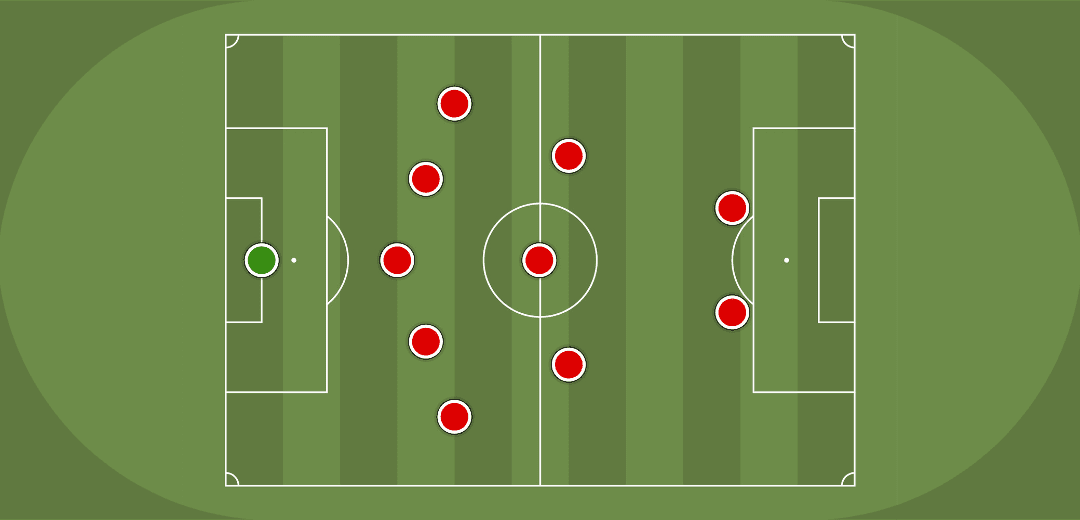 Read More about Mastering the 5-3-2 Soccer Formation: Tips and Strategies
Mastering the 5-3-2 Soccer Formation: Tips and Strategies
Latest Articles
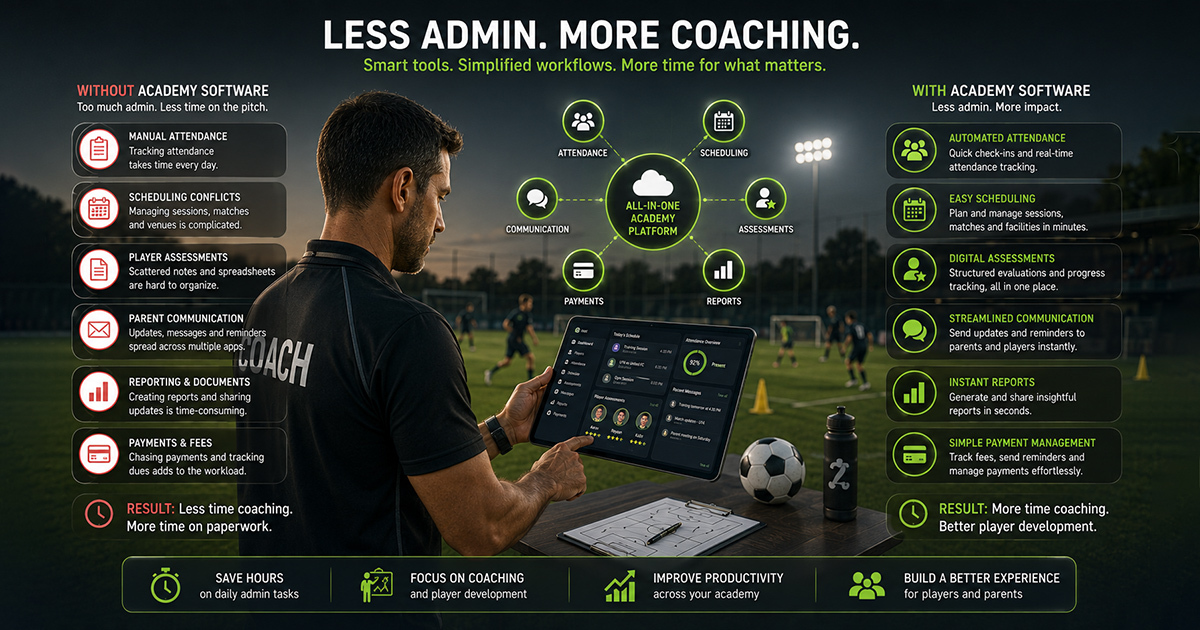 Read More about How Sports Academies Can Reduce Admin Work for Coaches
How Sports Academies Can Reduce Admin Work for Coaches
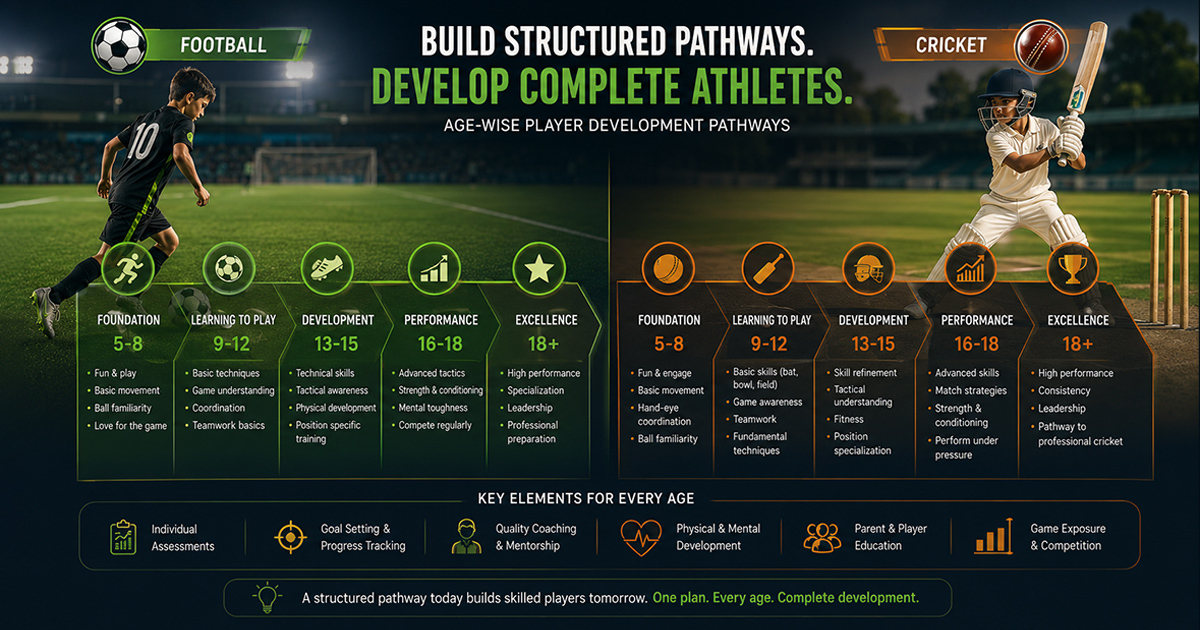 Read More about How to Build Age-Wise Player Development Pathways in Football and Cricket
How to Build Age-Wise Player Development Pathways in Football and Cricket
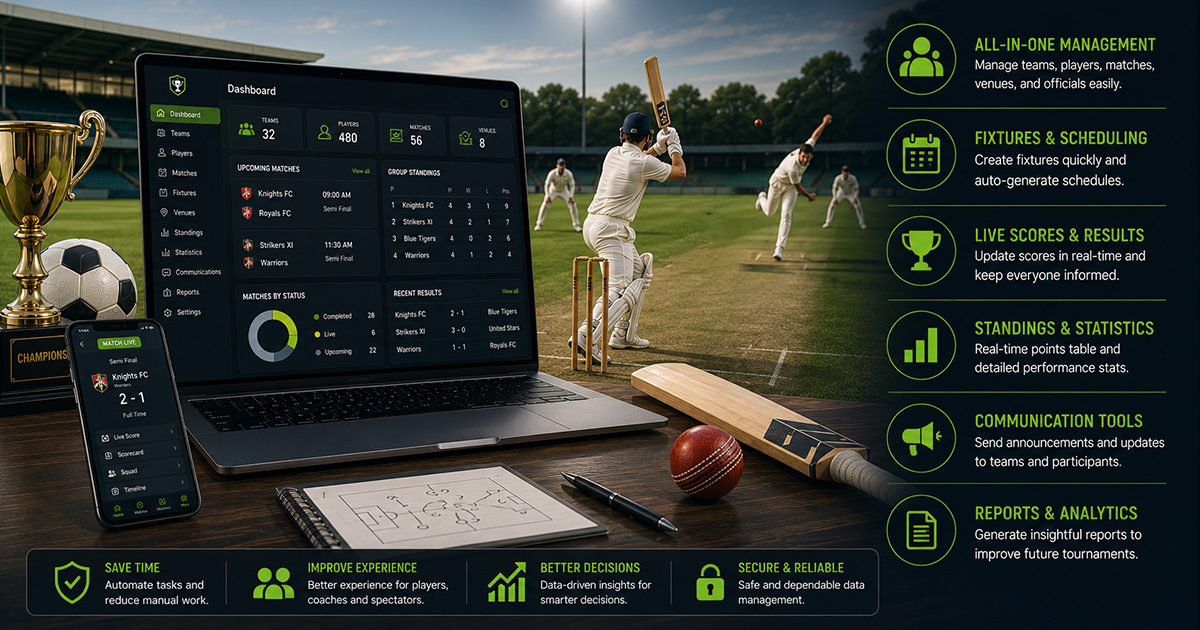 Read More about Tournament Management Software for Football and Cricket Organizers: A Practical Guide
Tournament Management Software for Football and Cricket Organizers: A Practical Guide
Ready to Bring Structure to Your Academy?
Let’s walk through your current setup and show you how 8lete can improve it.


