




Football Trial Tips for Players: How to Stand Out and Impress Coaches
Football trial tips for players are essential for young athletes and their parents who want to understand how to stand out during football tryouts. Many players face the challenge of showing their true potential under pressure, often unsure how coaches assess performance beyond just scoring goals. Here, we break down what coaches actually notice during trials and how players can prepare to maximize their chances to impress in a structured, development-focused way.
What Coaches Look for in Football Trials
Football trials are not just about flashy skills or scoring goals. Coaches look for a combination of technical ability, decision-making, attitude, and game intelligence. Understanding what these coaches value most helps players focus their preparation and during trials.
Key attributes include close ball control, passing accuracy, movement on and off the ball, and how well a player reads the game. Equally important are attitude-related qualities like communication, work rate, resilience after mistakes, and coachability. These aspects reflect long-term potential rather than one-off moments, aligning with structured player development principles.
Preparing for Football Trials: Practical Steps
Before stepping into a trial, preparation is key. Players should focus on structured training routines that improve both physical conditioning and football skills. Consistency in practice develops the muscle memory and confidence required to perform under pressure.
Incorporate drills that mimic game scenarios, such as small-sided games for quick decision-making and passing under pressure. Simultaneously, practice set pieces and ball control exercises tailored to the player's position. Equally, players should mentally rehearse trial situations to manage nerves and stay focused.
How to Impress Coaches at Football Trials
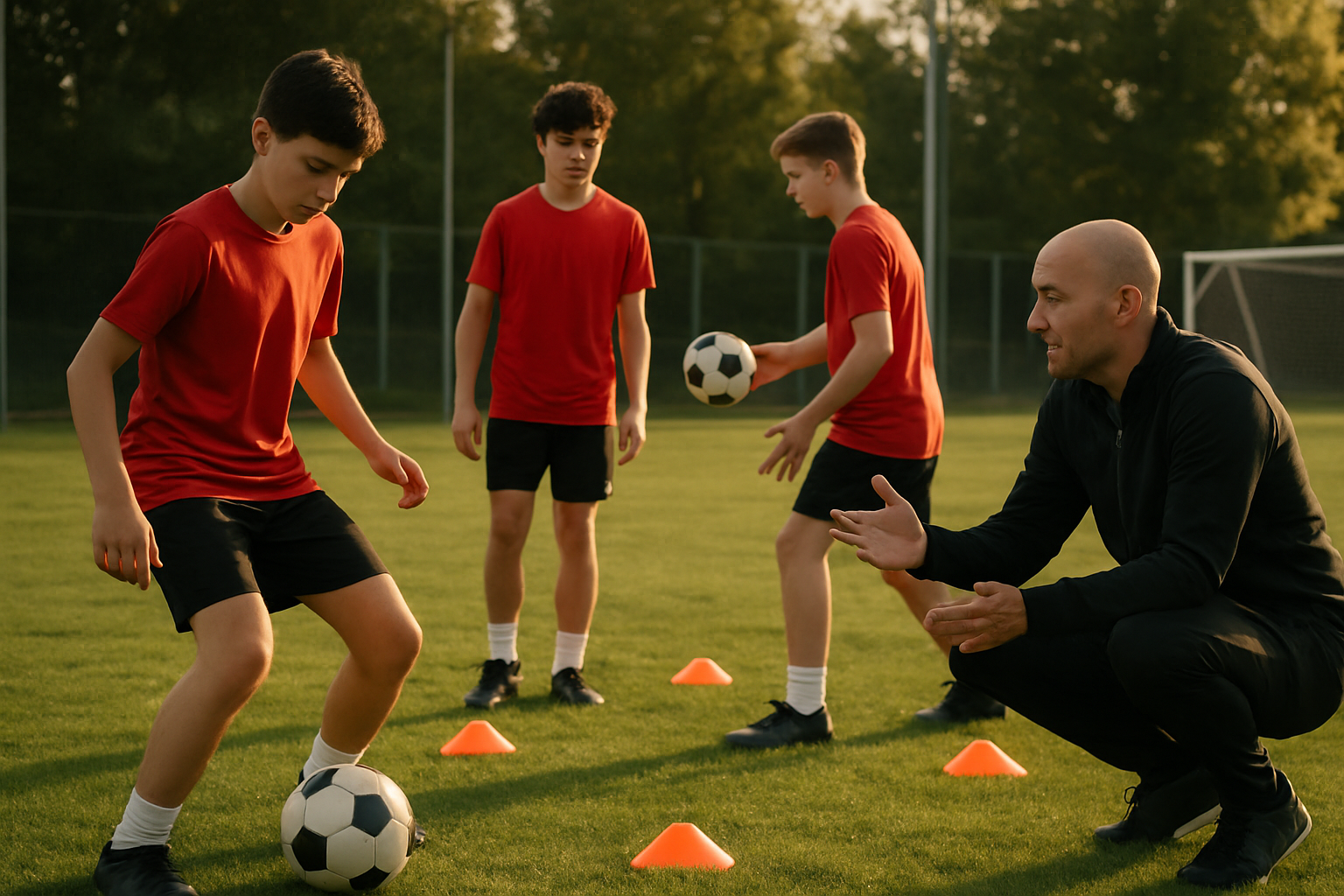
Impressing coaches requires more than individual skill—it’s about demonstrating a positive attitude and understanding of the team environment. Effective communication during trial matches and training shows leadership and teamwork, qualities coaches highly value in young players.
Players should also display adaptability—quickly responding to feedback or changing situations on the pitch indicates strong game intelligence. Coaches notice players who maintain composure after mistakes and keep pushing consistently throughout the session without visible frustration or loss of focus.
Consistent attitude and decision-making often matter more than flashy skills during trials.
Common Development Mistakes During Trials
One frequent error is focusing too heavily on individual moments like flashy tricks rather than consistent application of skills within the game context. Players may also neglect the mental side, such as patience and composure, causing performance dips.
Another mistake is failing to display teamwork or ignoring coaches’ instructions. Trials often test not just talent but a player’s potential to fit into a structured football environment, where learning and adaptation matter as much as raw ability.
Practical Implementation for Grassroots Clubs
Grassroots clubs can support player trial preparation by embedding clear feedback loops and assessment criteria aligned with what scouts and coaches look for. Setting up practice trials with performance tracking enhances player awareness and readiness. Structured training systems focusing on skill repetition and decision-making under match-day pressure develop habits that translate well in actual trials.
Offering parents and players resources for player development improves alignment on expectations and reduces stress around trials. Integrating feedback from sessions into development plans helps address weaknesses and build on strengths shown during trial-like scenarios.
Football Trial Performance Strategies
During trials, players should balance demonstration of their best technical skills with smart decision-making and teamwork. Performance strategies include maintaining high energy, good positioning, and awareness of teammates rather than always seeking personal glory.
Recovery and mental reset between drills or match periods is also critical. Players who manage nerves and stay engaged throughout the trial catch the attention of coaches looking for reliable and resilient talents. This approach aligns well with long-term development rather than short bursts of brilliance.
Why Players Struggle to Stand Out in Football Tryouts
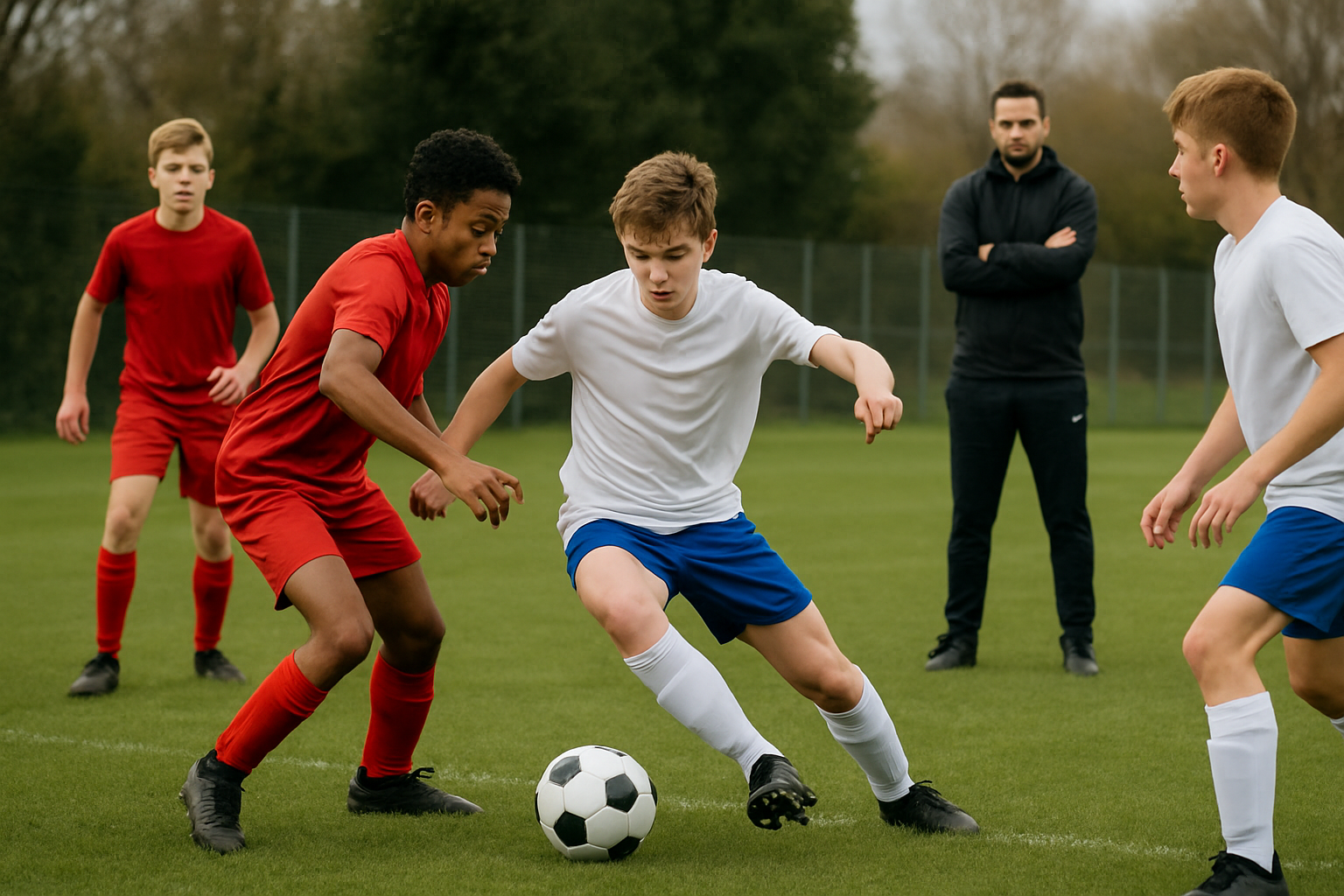
Many young players struggle in trials due to insufficient preparation or misunderstanding what coaches actually seek. Some focus too much on impressing with raw talent and less on how well they fit into a team structure and game dynamics. Having a narrow focus can limit performance and visibility.
Others may underperform due to nerves or lack of game-like experiences that simulate trial pressure, leading to inconsistent play. Building resilience and accumulated match intelligence through structured environments better equips players to deliver solid performances when opportunities arise.
Conclusion
In summary, football trial tips for players focus on developing a balanced skill set that includes technical ability, game intelligence, attitude, and mental readiness. Players, parents, and coaches who invest time in structured preparation, clear feedback, and realistic trial simulations create stronger pathways for success. Standing out in football tryouts is less about one extraordinary moment and more about consistent demonstration of football principles that coaches value. Maintaining discipline, learning from feedback, and showing team-oriented behaviour during trials have greater long-term impact than solely individual flash. The best preparation integrates physical, mental, and tactical growth in grassroots environments supported by systems that track and develop potential holistically. By understanding what coaches actually notice, players can approach trials confidently and deliver performances aligned with real development pathways and lasting opportunities.
What is the most important skill coaches look for in football trials?
Coaches prioritize technical skill combined with decision-making and attitude, such as teamwork and resilience during trials.
How does mental preparation affect performance in football trials?
Mental preparation helps players manage pressure, stay focused, and respond positively to feedback, improving consistency during trials.
How to improve football skills at home before a trial?
Practice ball control, passing drills, and simulate match scenarios regularly, focusing on consistency and decision-making under pressure.
Why am I not getting selected in football trials despite good skills?
Selection depends on more than skill; coaches also assess attitude, teamwork, coachability, and game intelligence.
How to train effectively for football trials with limited time?
Prioritize focused sessions on key skills and decision-making, combine physical conditioning, and simulate trial pressure scenarios.
What is the best age to start preparing for football trials?
Preparation can start from early teens, focusing on skill foundations, physical fitness, and developing a positive attitude.

Related Articles
 Read More about Why You’re Not Getting Selected in Football Trials (And What Coaches Really Look For)
Why You’re Not Getting Selected in Football Trials (And What Coaches Really Look For)
 Read More about Why Grassroots Football Player Development Tracking Is Essential for Lasting Progress
Why Grassroots Football Player Development Tracking Is Essential for Lasting Progress
 Read More about How Young Footballers Get Discovered: Pathways from Training Ground to Scouts
How Young Footballers Get Discovered: Pathways from Training Ground to Scouts
Latest Articles
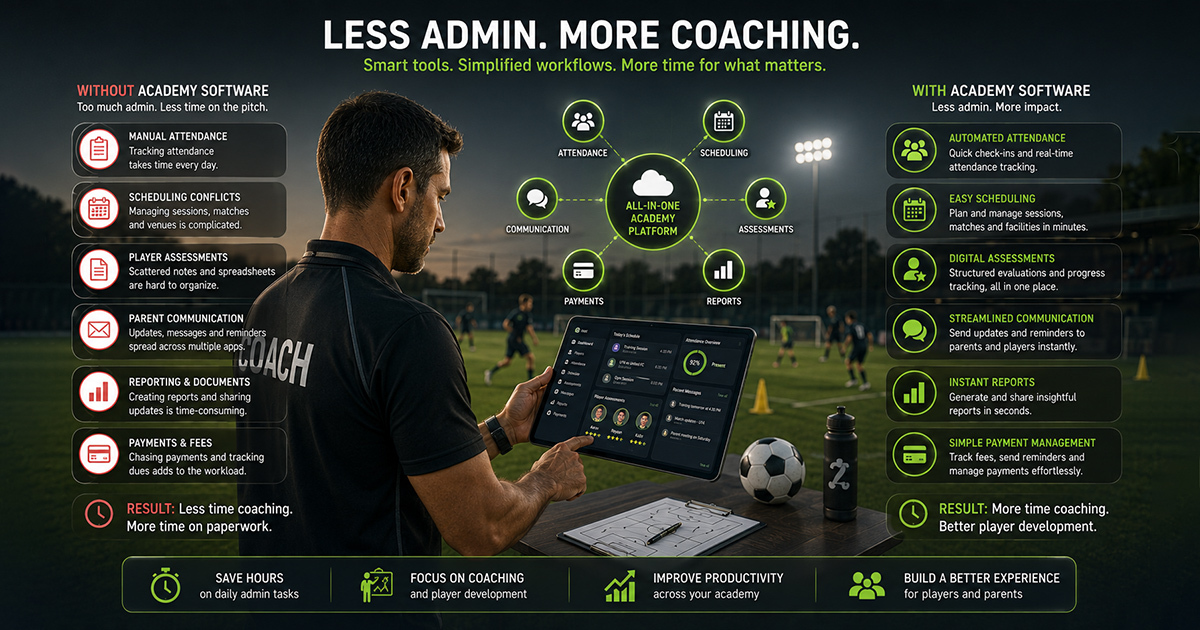 Read More about How Sports Academies Can Reduce Admin Work for Coaches
How Sports Academies Can Reduce Admin Work for Coaches
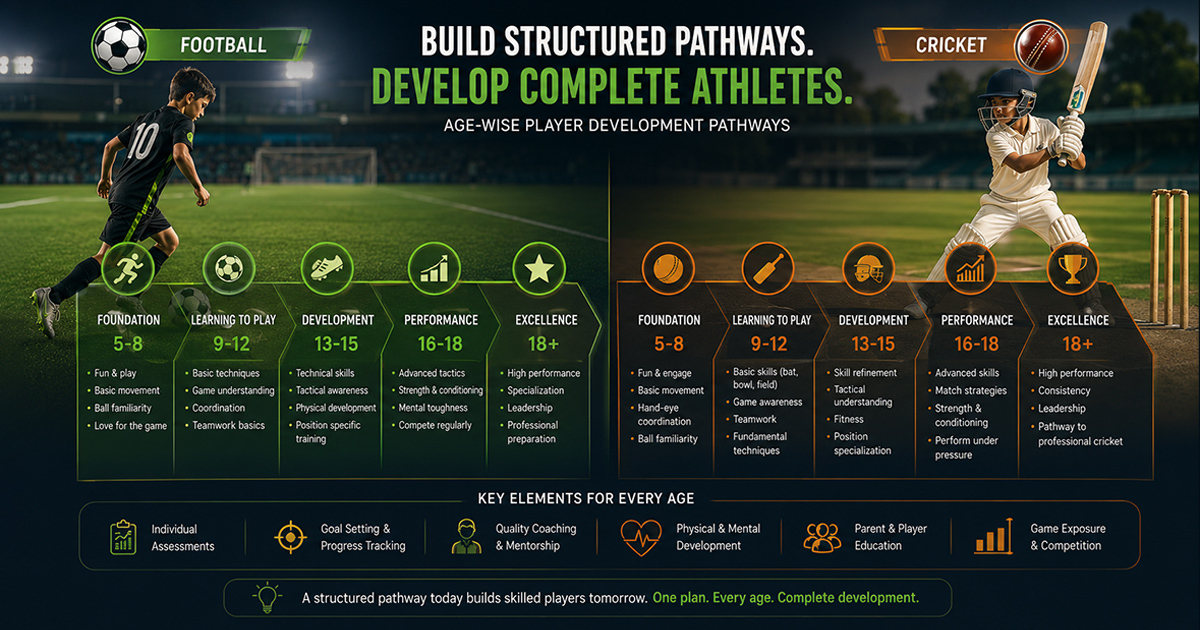 Read More about How to Build Age-Wise Player Development Pathways in Football and Cricket
How to Build Age-Wise Player Development Pathways in Football and Cricket
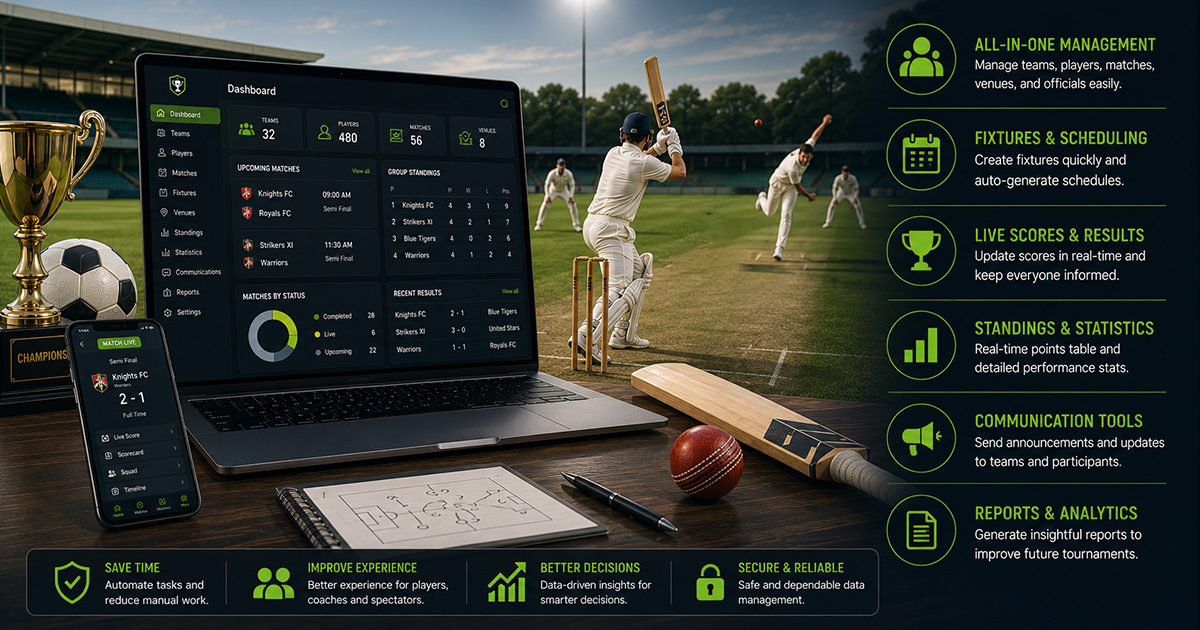 Read More about Tournament Management Software for Football and Cricket Organizers: A Practical Guide
Tournament Management Software for Football and Cricket Organizers: A Practical Guide
Ready to Bring Structure to Your Academy?
Let’s walk through your current setup and show you how 8lete can improve it.


