




How Young Footballers Get Discovered: Pathways from Training Ground to Scouts
Discovering how young footballers get discovered is a vital concern for players aiming to progress and parents supporting their journey. Many young players and families wonder what truly leads scouts to identify potential stars beyond just standout moments in games. This article breaks down the realistic process of player discovery in grassroots football and offers practical insights for players, coaches, and parents involved in long-term development.
What Is the Football Scouting Process for Youth?
Football scouting for youth is a structured method where scouts and clubs observe players over time to identify potential talent suitable for development. It goes beyond raw skill; scouts evaluate attitude, consistency, decision-making, and physical and mental growth.
Players do not get discovered overnight. Scouts often attend various training sessions, matches, and scouting events focused on young players. The process involves multiple observations to understand the player's progression within a competitive, structured environment.
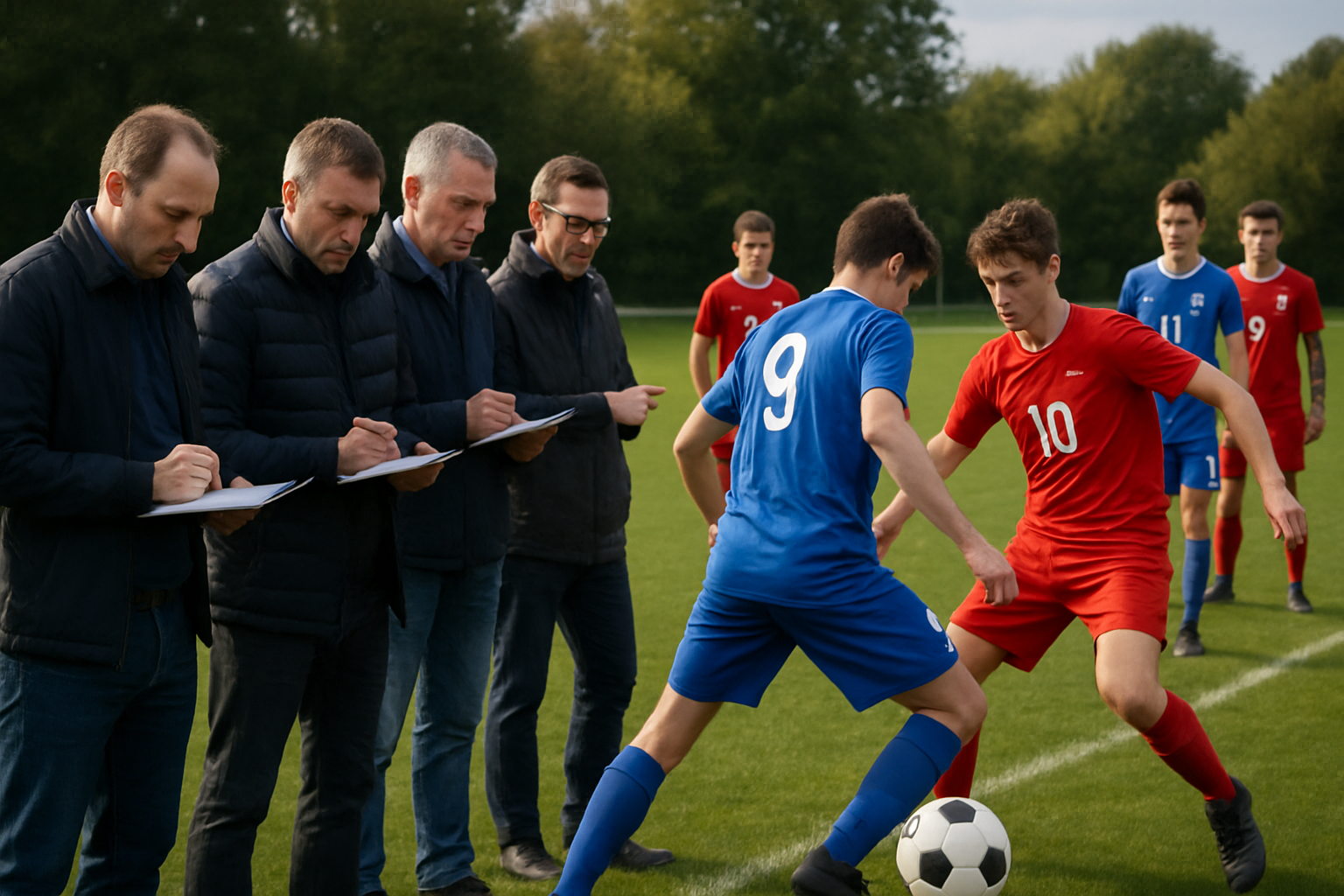
Key Factors Scouts Look for During Talent Identification in Grassroots Football
In grassroots football, talent identification is not solely about flashy skills. Scouts focus on several critical areas including technical ability, game intelligence, physical attributes, and character traits such as discipline and coachability.
Regular tracking of these qualities within training and match environments gives scouts a clearer picture of a player's true potential. Hence, structured, consistent performance is more valuable than isolated moments of brilliance.
How to Improve Your Chances: Tips for Young Players to Get Noticed
Young players aiming to get noticed by scouts should focus on developing a disciplined training routine that emphasizes fundamentals, decision-making, and mental toughness.
Consistent effort in drills that build passing, ball control, positioning, and communication helps players stand out. Engaging in varied competitive situations and maintaining a positive attitude also signals a player's readiness for higher levels.
Regular self-assessment combined with coach feedback creates an efficient learning loop essential for lasting development.
Consistent effort and disciplined training build the foundation scouts look for in young players.
The Role of Football Academies in Player Discovery
Football academies are pivotal environments where young talent is nurtured and systematically prepared for the pathway to professional football.
They offer structured training systems, regular performance reviews, and exposure to scouting events. Effective academies track development data, helping coaches and scouts assess progress over time rather than relying on single performances.
This structured approach aligns well with modern player development; it ensures a player's growth is visible and measurable to scouting networks.
Practical Implementation for Grassroots Clubs
Grassroots clubs should prioritize creating environments that mirror professional development pathways where possible. This includes structured training cycles, clear player development tracking, and arranging regular internal and external friendly matches for exposure.
Encouraging player self-reflection coupled with coach feedback helps build the essential habits scouts seek. Clubs can also connect with local scouting events or leagues to enhance player visibility.
For players and parents committed to long-term progress, understanding these club frameworks clarifies how discovery happens naturally through structured development.
Common Development Mistakes That Limit Player Discovery
A frequent mistake is placing too much emphasis on highlight-reel moments or early physical dominance without developing game intelligence and mental resilience. Scouts often overlook players who fail to demonstrate consistent effort and adaptability.
Another pitfall is neglecting recovery and discipline, which are crucial for sustained growth. Players and parents should avoid seeking shortcuts and focus instead on steady progression through well-structured training and competitive challenges.
Developing Skills to Attract Football Scouts
To attract scouts, players should refine technical skills like accurate passing, first touch, and tactical awareness, alongside building physical conditioning and mental toughness.
Participating in scouting events and tournaments provides practical exposure, but success depends on preparation and the ability to perform consistently rather than relying on one-off performances.

Why Players Struggle to Get Discovered Even With Talent
Many talented players struggle with player discovery due to inconsistent training habits, lack of visibility at the right events, or insufficient mental preparation to handle scouting pressure.
Parents and coaches play critical roles in guiding players to avoid these pitfalls by promoting structured training systems and supporting player wellbeing and confidence.
Conclusion
Understanding how young footballers get discovered is essential for players, parents, and coaches committed to realistic pathways in football development. Player discovery is not about a single moment but a culmination of consistent skill growth, disciplined training, and mental readiness within structured environments like football academies and grassroots clubs. Approaching development with patience and a performance tracking mindset gives young players the best chance to be seen and selected by scouts. Long-term visibility depends on preparation, presence, and persistence rather than shortcuts or isolated performances. By creating or joining structured training systems and engaging with appropriate scouting events, players and families can navigate the discovery process with clarity and confidence. For more on structured player progress, explore the player ecosystem to understand how modern technology and workflows support player development tracking and visibility.
What is the football scouting process for youth players?
Football scouting for youth involves observing players over time across matches and training to assess skills, attitude, and development potential.
How can young players improve their chances to get noticed by scouts?
Young players should focus on consistent training, improving basics like passing and decision-making, maintaining discipline, and performing well at scouting events.
Why am I not getting selected in football trials despite being talented?
Selection challenges often come from inconsistent performances, lack of exposure at the right events, or insufficient mental and physical preparation.
How do football academies support player discovery?
Football academies offer structured training, performance tracking, and access to scouting networks, helping players develop steadily and be visible to scouts.
How can parents support young footballers during the discovery process?
Parents can provide emotional support, encourage disciplined training habits, help manage recovery, and facilitate attendance at relevant scouting events.
What are the best scouting events for young players to attend?
Local and regional youth tournaments and showcase events organized by reputable academies and clubs offer scouts opportunities to evaluate players in competitive environments.

Related Articles
.jpg) Read More about How Top Football Academies Track Player Progress (And Why Most Don't)
Read More about How Top Football Academies Track Player Progress (And Why Most Don't)How Top Football Academies Track Player Progress (And Why Most Don't)
 Read More about Attendance Is Not Development: The Biggest Mistake Grassroots Academies Make
Attendance Is Not Development: The Biggest Mistake Grassroots Academies Make
 Read More about Your Academy Might Be Training Players… But Is It Developing Them?
Your Academy Might Be Training Players… But Is It Developing Them?
Latest Articles
 Read More about How Sports Academies Can Reduce Admin Work for Coaches
How Sports Academies Can Reduce Admin Work for Coaches
 Read More about How to Build Age-Wise Player Development Pathways in Football and Cricket
How to Build Age-Wise Player Development Pathways in Football and Cricket
 Read More about Tournament Management Software for Football and Cricket Organizers: A Practical Guide
Tournament Management Software for Football and Cricket Organizers: A Practical Guide
Ready to Bring Structure to Your Academy?
Let’s walk through your current setup and show you how 8lete can improve it.


