



.jpg)
How Top Football Academies Track Player Progress (And Why Most Don't)
Tracking football player progress is more than ticking off skills on a checklist. At the grassroots and academy levels, it’s common to see inconsistent or informal approaches that make real development harder to measure. While top football academies use structured, data-informed methods, many clubs struggle to implement reliable monitoring, leaving players and coaches in the dark about true growth and areas needing focus.
Why Accurate Football Player Progress Tracking Matters
Effective football player progress tracking creates a clear picture of each player’s strengths, weaknesses, and development patterns over time. It helps coaches tailor training programs to individual needs and supports objective decision-making for game time and pathway planning.
Without structured tracking, development tends to rely on subjective impressions or short-term performance flashes, which makes long-term growth unpredictable and may lead to overlooking key potential.
Core Components of Top Academies’ Player Progress Monitoring
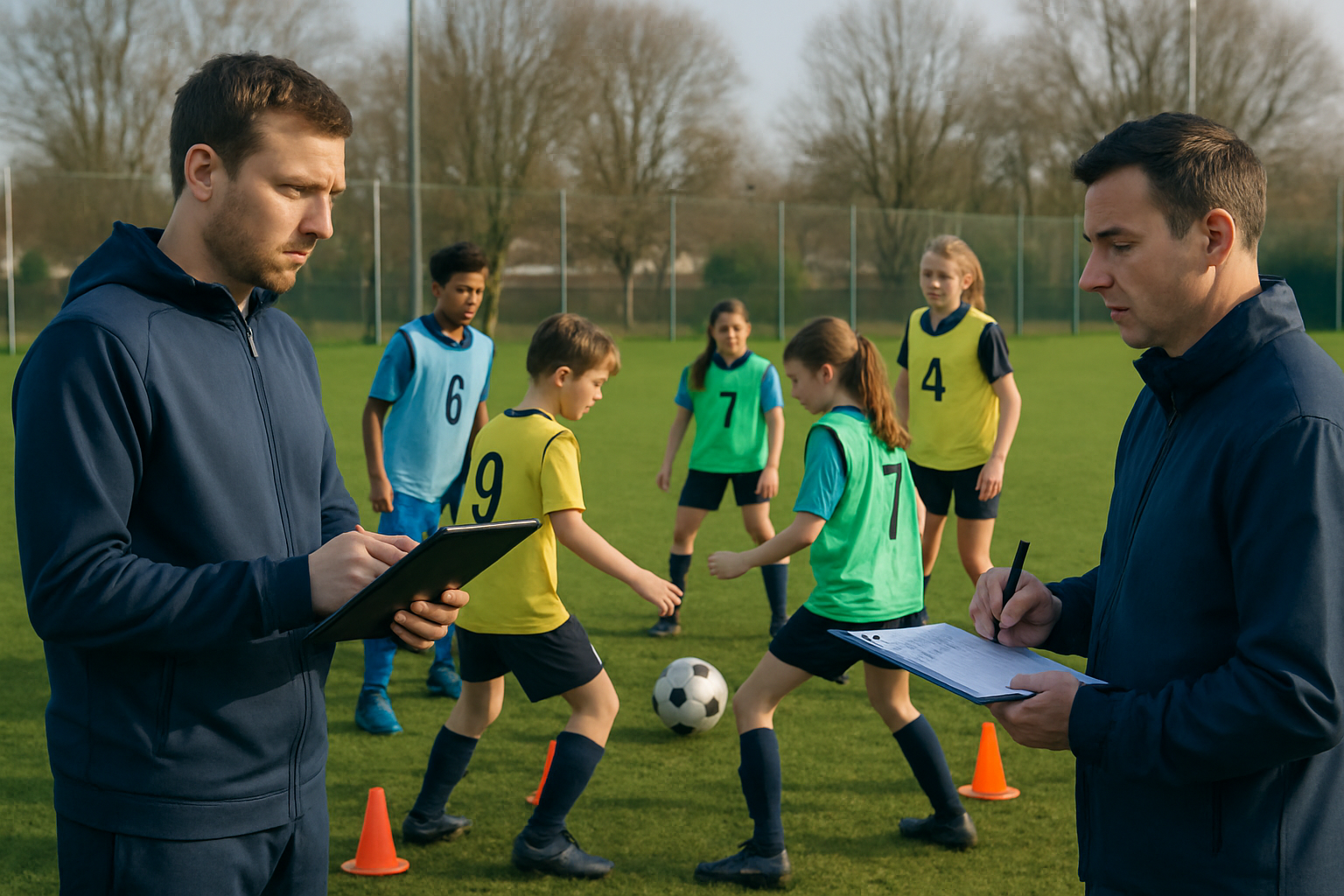
Leading academies build robust football academy player evaluation systems around consistent data collection across multiple dimensions—technical skills, tactical understanding, physical conditioning, and psychological factors. This holistic monitoring ensures development is balanced and meaningful.
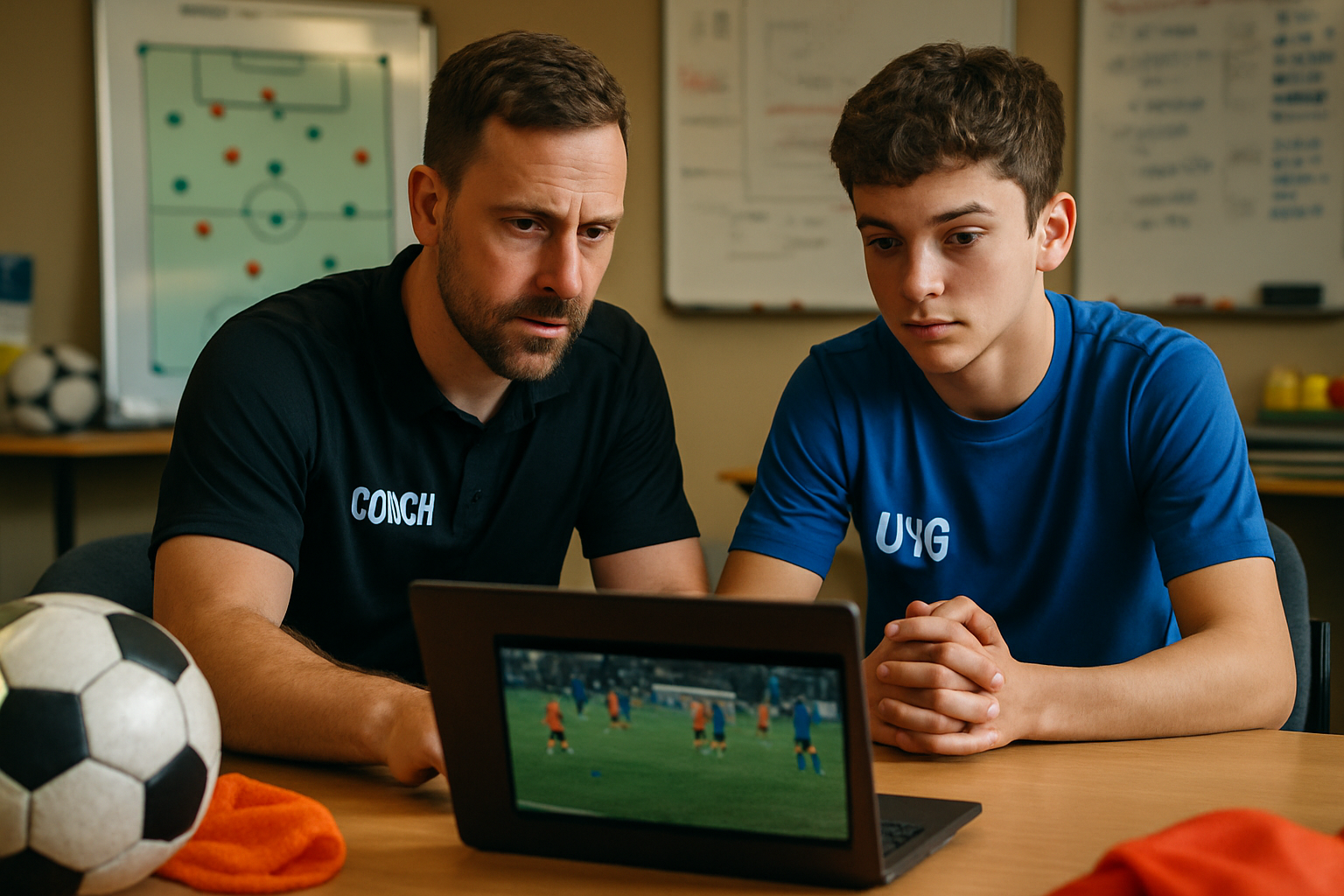
Key tools include performance analysis software, video review sessions, and regular fitness testing, all integrated with player profiles. These data points combine to inform individualized training plans and clear, measurable goals throughout the youth pathway.
Common Barriers to Effective Progress Tracking in Grassroots Football
Many grassroots clubs lack the resources, knowledge, or structured workflow necessary for proper player development tracking tools. Coaches may rely heavily on memory or informal notes, leading to inconsistent feedback and missed growth opportunities.
Without standardized measurements or regular assessments, progress monitoring becomes subjective. Limited access to technology and training time constraints often compound the problem, creating gaps in insight that negatively affect player development continuity.
Implementing Practical Development Tracking: The 4-Step Framework
The process for effective football player progress tracking can be summarized as: Assessment → Planning → Monitoring → Review. This cycle encourages ongoing reflection and adjustment to development programs.
Assessment begins with gathering baseline data through standardized drills and fitness tests. Coaches use this information to create tailored plans focused on addressing current challenges and enhancing key skills. Continuous monitoring involves using simple tools like checklists, video footage, or basic software to capture progress week by week. Finally, regular review sessions allow coaches, players, and parents to discuss results, adjust targets, and reinforce learning.
Consistent assessment and review cycles transform subjective impressions into clear player growth insights.
Practical Implementation for Grassroots Clubs
Grassroots clubs can start with low-cost and accessible methods to build structured tracking systems. Using consistent criteria for evaluating technical skills during training, combined with simple fitness benchmarks, helps create reliable data over time. Video recording training drills or small-sided games adds valuable review material that supports objective feedback.
Additionally, adopting user-friendly player development tracking tools and integrating them within an academy workflow encourages transparency and clarity between coaches, players, and parents. This also supports long-term visibility of how each player moves through key development milestones aligned with recognized youth football performance metrics.
Common Development Mistakes
Relying only on match performance or single test days can create an incomplete picture of player progress. Development isn’t linear and short-term fluctuations should be expected. Ignoring mental and recovery aspects also misses significant indicators of readiness and growth.
Another frequent error is inconsistent data collection—this breaks the cycle of meaningful review and hinders planning. Many academies neglect to involve players actively in tracking, missing chances to build their own understanding of growth and responsibility for improvement.
Using Data to Inform Coaching and Player Decisions
When properly structured, football player data management allows coaches to identify trends in physical development, tactical awareness, and skill acquisition. This insight informs not just training content but also decisions on player positioning and progression within the club pathways.
Players benefit from clear feedback linked to monitored metrics, which supports intrinsic motivation and disciplined practice habits. Parental understanding also improves when data-driven reports highlight realistic, development-focused goals rather than subjective assessments.
Conclusion
In the grassroots football ecosystem, football player progress tracking is essential for moving beyond guesswork to structured, measurable development. While top academies have robust systems combining technical, physical, and mental metrics, many clubs can start small by introducing simple, consistent monitoring and review processes. Building capacity gradually with structured training systems and clear academy workflows empowers coaches, players, and parents to focus on long-term growth rather than short-term results.
Proper tracking fosters a deeper understanding of true player progress, encourages disciplined practice and recovery habits, and ultimately creates a pathway where talent matures with clarity and purpose. Embracing these best practices in football performance tracking helps grassroots football clubs unlock player potential responsibly and sustainably.
What are the key metrics in youth football performance tracking?
Key metrics include technical skills, physical fitness, tactical understanding, and psychological attributes monitored consistently over time.
How can small clubs implement effective player development tracking?
Start with simple, low-cost tools like checklists and video review, establish consistent assessment schedules, and involve players and parents in feedback.
Why is regular feedback important in football player progress tracking?
Regular feedback helps maintain motivation, corrects development paths early, and aligns player and coach expectations for long-term growth.
What mistakes do football academies often make in tracking player progress?
Common mistakes include inconsistent data collection, overreliance on match performance alone, and neglecting mental and recovery factors.

Related Articles
 Read More about Attendance Is Not Development: The Biggest Mistake Grassroots Academies Make
Attendance Is Not Development: The Biggest Mistake Grassroots Academies Make
 Read More about Your Academy Might Be Training Players… But Is It Developing Them?
Your Academy Might Be Training Players… But Is It Developing Them?
 Read More about From Grassroots to Professional: Understanding the Football Player Development Pathway
From Grassroots to Professional: Understanding the Football Player Development Pathway
Latest Articles
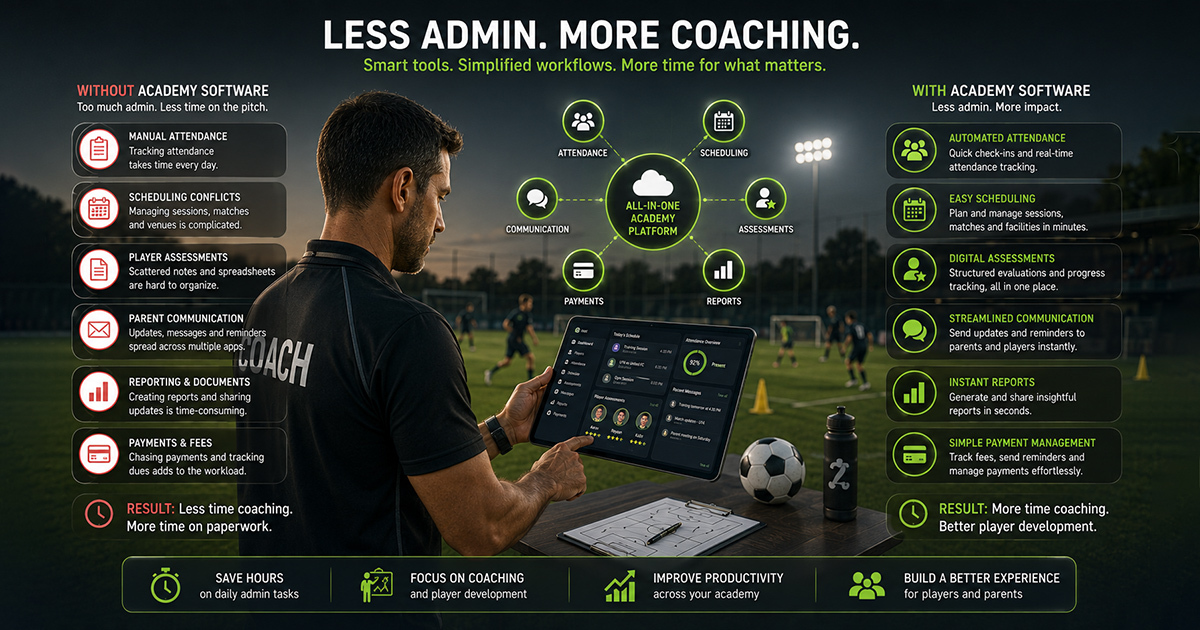 Read More about How Sports Academies Can Reduce Admin Work for Coaches
How Sports Academies Can Reduce Admin Work for Coaches
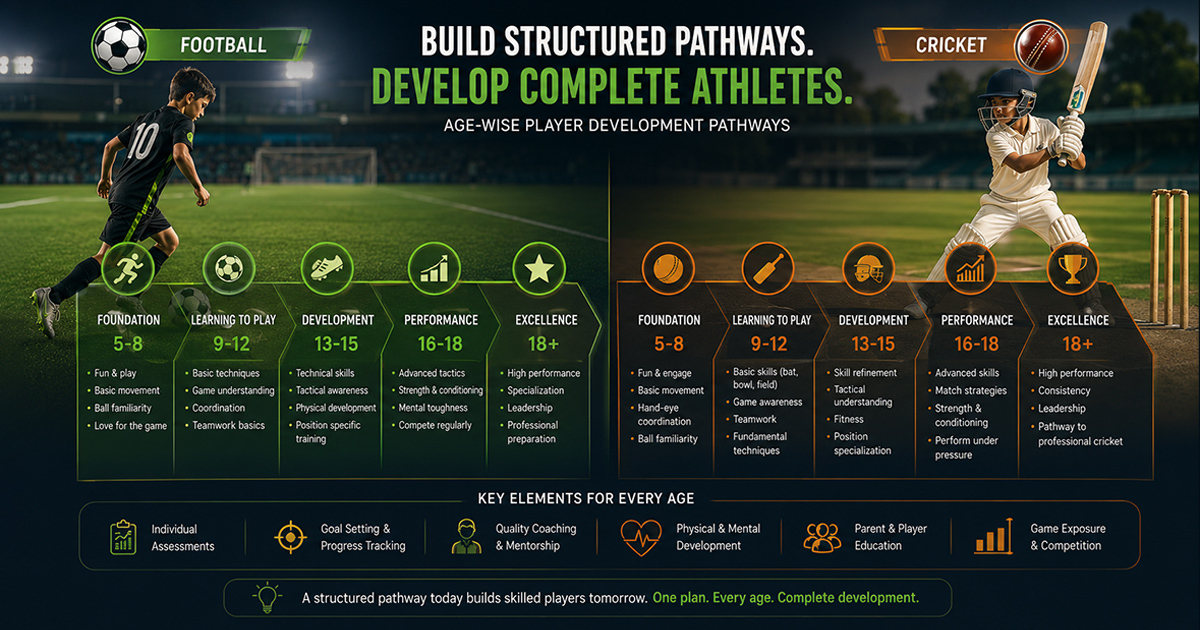 Read More about How to Build Age-Wise Player Development Pathways in Football and Cricket
How to Build Age-Wise Player Development Pathways in Football and Cricket
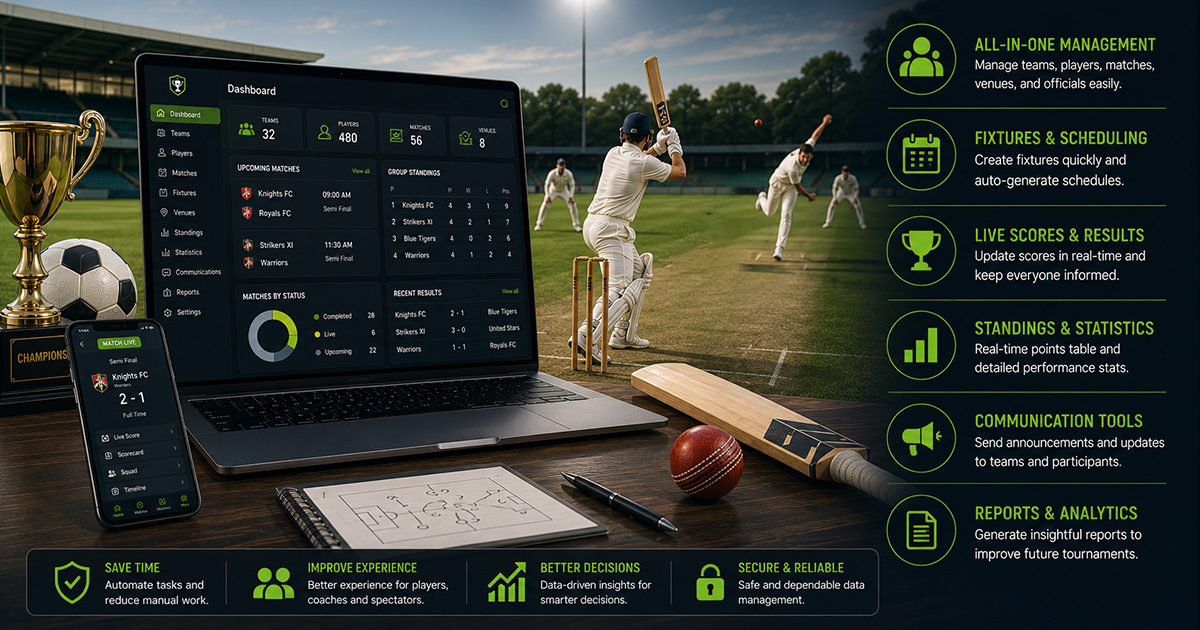 Read More about Tournament Management Software for Football and Cricket Organizers: A Practical Guide
Tournament Management Software for Football and Cricket Organizers: A Practical Guide
Ready to Bring Structure to Your Academy?
Let’s walk through your current setup and show you how 8lete can improve it.


