



.png)
How to Improve Speed and Acceleration in Football: Train Like an Athlete
Speed and acceleration are key physical traits that can make a noticeable difference in a young footballer’s performance and confidence. Many players and parents ask, "How can I improve speed and acceleration in football?" Especially at grassroots levels, understanding effective training methods that mimic how athletes prepare is essential for sustainable development. This article explains practical, structured ways to enhance speed and acceleration using football-specific exercises and athletic training principles that fit well within youth academies and player routines.
What is Speed and Acceleration in Football?
Speed in football refers to a player's ability to move quickly over a distance, while acceleration is the ability to increase that speed rapidly from a standstill or slow movement. These qualities impact how effectively a player can beat opponents, reach loose balls, or create space in-game.
Improving these attributes is not just about running fast; it involves training specific muscle groups, developing explosive power, and mastering movement mechanics tailored to football’s dynamic demands.
How to Improve Speed and Acceleration in Football
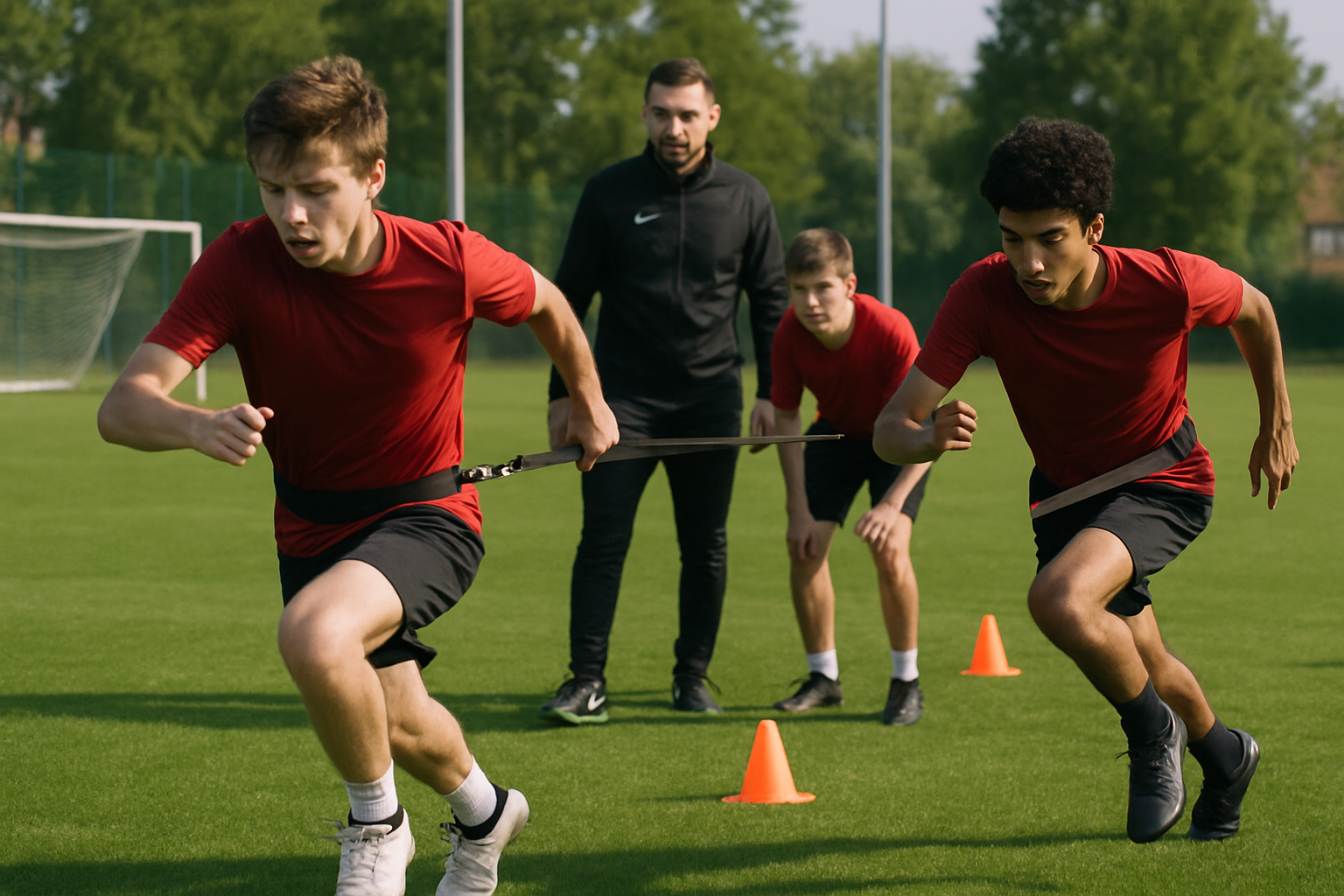
Acceleration exercises for football players focus on explosive starts and short bursts of speed. Drills like resisted sprints using light resistance bands or sleds help enhance the initial drive phase. Moreover, techniques such as high-knee drives, butt kicks, and quick-feet ladder drills improve neuromuscular coordination and foot speed, both crucial for rapid acceleration.
Complement these exercises with football speed training drills, including short shuttle runs and cone drills that emphasize change of direction and reaction time. These drills develop not just raw speed but also agility and responsiveness, reflecting real match conditions.
Athletic Training for Football: Structured Approach
True athletic training goes beyond simple sprinting. It integrates strength, power, and flexibility to support speed and reduce injury risk. For young players, a balanced football conditioning program includes bodyweight strength exercises like lunges, squats, and calf raises to build the musculature needed for fast movements.
Proper warm-ups and cool-downs with dynamic stretching and mobility drills are vital to maintain muscle elasticity and joint health. Rest and recovery are equally important, allowing the body to adapt and progress safely within structured training cycles.
Common Development Mistakes
A frequent mistake in grassroots speed training is focusing solely on sprinting longer distances rather than emphasizing short, explosive movements more relevant to football. Players and parents sometimes believe speed gains come only from running fast over many meters, neglecting acceleration phases which are critical in game situations.
Another issue is neglecting proper technique and movement mechanics. Poor running form can limit performance improvements and increase injury risk. Coaches must guide players through safe and effective biomechanics as part of football fitness tips for players.
Effective speed training combines focused drills with consistent feedback and progression monitoring.
Practical Implementation for Grassroots Clubs
Grassroots clubs can integrate speed and acceleration development by scheduling dedicated sessions within training programs focused on short bursts and reactive drills. Starting every session with activation drills for speed and dynamic warm-up routines sets a consistent foundation.
Use appropriate progressions to build player confidence and avoid injury. For example, start with bodyweight exercises and walking lunges before advancing to resisted sprints and high-intensity cone courses. Maintaining clear tracking of player progress through structured training systems encourages discipline and supports long-term growth.
Training Like a Football Athlete: The Four-Step Framework
A simple framework to improve speed and acceleration effectively includes:
- Training: Focused drills and exercises targeting explosive power, coordination, and technique.
- Feedback: Coaching observations and video assessments to correct form and measure progress.
- Tracking: Recording sprint times, acceleration distances, and player workload for structured development.
- Progression: Gradual increase in intensity and complexity tailored to individual player needs.
This approach aligns well with academy workflows that combine physical conditioning with football skills, ensuring players improve sustainably.
Enhancing Player Quickness Beyond Speed
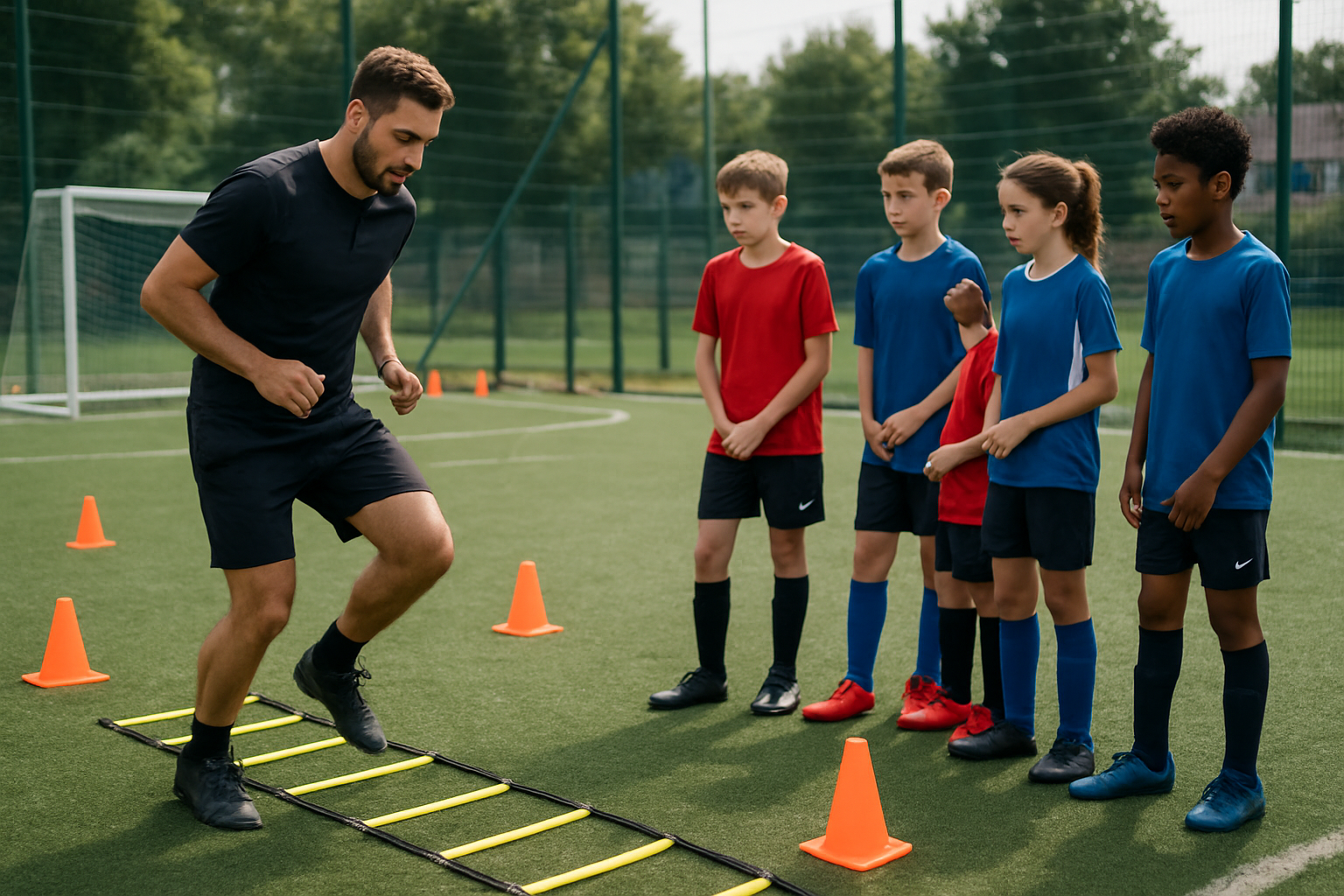
Quickness involves not only straight-line speed but also the ability to react and change direction swiftly. Incorporate agility ladders, reaction ball drills, and multidirectional cone exercises into regular sessions. These are essential for developing speed and agility in football, improving a player's overall game awareness and responsiveness.
Parents should encourage regular practice of these drills at home or during club sessions to complement on-field learning. Coaches can use them within football conditioning programs as part of holistic player fitness development.
Conclusion
To improve speed and acceleration in football, players, coaches, and parents must focus on structured, athlete-style training that goes beyond simple sprinting. This means emphasizing explosive acceleration exercises, proper running mechanics, strength development, and agility drills within a balanced football conditioning program. It is equally vital to integrate recovery and progression tracking to sustain long-term development. By adopting a clear framework combining training, feedback, tracking, and progression, grassroots clubs can nurture players' physical capabilities while reinforcing broader football skills and decision-making. This practical, development-first approach supports players in becoming quicker, more agile, and ultimately more effective on the pitch, all within a realistic and achievable environment.Understanding and commitment to tailored speed and conditioning work form the foundation of lasting football progress.
Additional Resources
For players serious about improving their physical game, consider exploring player development tracking tools and structured training systems that bring consistency and clarity to each training cycle. These help maintain focus on both speed and overall football fitness.
To deepen your understanding of fitness and football conditioning, visit The FA’s Player Development and UEFA’s Physical Performance pages.
What is the difference between speed and acceleration in football?
Speed is how fast a player moves over a distance, while acceleration is how quickly they reach that speed from a stationary or slow position.
How does athletic training help improve football speed?
Athletic training builds strength, power, and proper technique, all of which support faster and safer running and quick movements on the pitch.
How to improve football skills and speed at home?
Use bodyweight exercises, quick-feet ladder drills, and short sprints in your home or local park to boost speed and coordination.
How to get better acceleration for football players?
Focus on explosive start drills like resisted sprints, high knees, and power lunges to develop your ability to accelerate rapidly.
Why am I not improving my speed in football despite training?
Improvements may stall if training lacks variety, proper technique, or adequate recovery. Ensure your drills are football-specific and balanced with rest.
Best training routine for young footballers to improve quickness?
A routine mixing acceleration exercises, agility drills, strength training, and consistent feedback leads to balanced quickness development.
What is the best age to start speed and agility training in football?
Basic speed and agility training can start around 8–10 years old, focusing on fun, movement skills before advancing to structured drills.
.jpg)
Related Articles
 Read More about How to Become a Consistent Football Player: Train Like Top Performers
How to Become a Consistent Football Player: Train Like Top Performers
 Read More about Football Trial Tips for Players: How to Stand Out and Impress Coaches
Football Trial Tips for Players: How to Stand Out and Impress Coaches
 Read More about Why You’re Not Getting Selected in Football Trials (And What Coaches Really Look For)
Why You’re Not Getting Selected in Football Trials (And What Coaches Really Look For)
Latest Articles
 Read More about How Sports Academies Can Reduce Admin Work for Coaches
How Sports Academies Can Reduce Admin Work for Coaches
 Read More about How to Build Age-Wise Player Development Pathways in Football and Cricket
How to Build Age-Wise Player Development Pathways in Football and Cricket
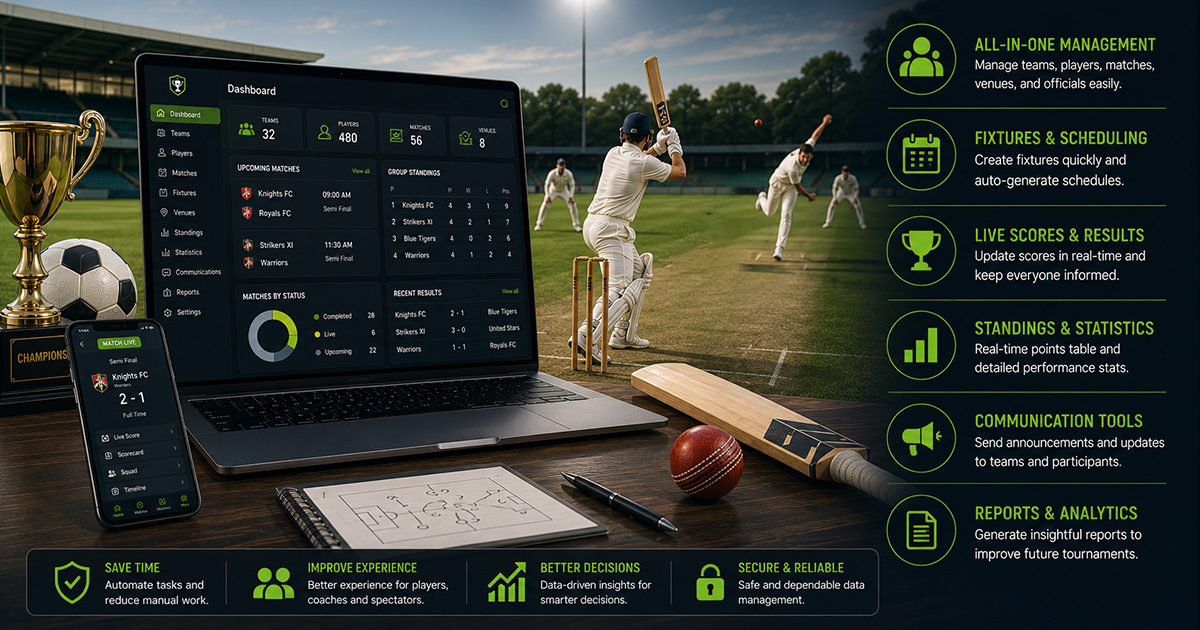 Read More about Tournament Management Software for Football and Cricket Organizers: A Practical Guide
Tournament Management Software for Football and Cricket Organizers: A Practical Guide
Ready to Bring Structure to Your Academy?
Let’s walk through your current setup and show you how 8lete can improve it.


