




How to Become a Consistent Football Player: Train Like Top Performers
Consistency in football is a challenge many young players and their parents face: performing well in one match but struggling to replicate that level week after week. Consistent football player development demands more than raw talent; it requires deliberate habits, structured training, and mental resilience. This article explores practical methods youth players and their support teams can use to build reliable, repeatable performance over time.
What Is Consistent Football Player Development?
Consistent football player development means improving and maintaining a steady level of performance across training and matches through focused skill growth, physical readiness, and mental composure.
It involves structured training routines, disciplined habits, and mental toughness, enabling players to deliver reliable performances while continually advancing their skills.
Key Habits of Top Football Players for Consistency
Top football players don't rely purely on talent; they establish routines that support consistency. These habits include:
- Regular, purposeful training with clear objectives.
- Focusing on fundamentals during every session.
- Prioritizing recovery and injury prevention.
- Maintaining mental focus and dealing constructively with setbacks.
For grassroots players, adopting even the basic principles of these habits ensures growth in both performance and confidence without overwhelming their schedule or risking burnout.
How to Improve Football Training for Consistency
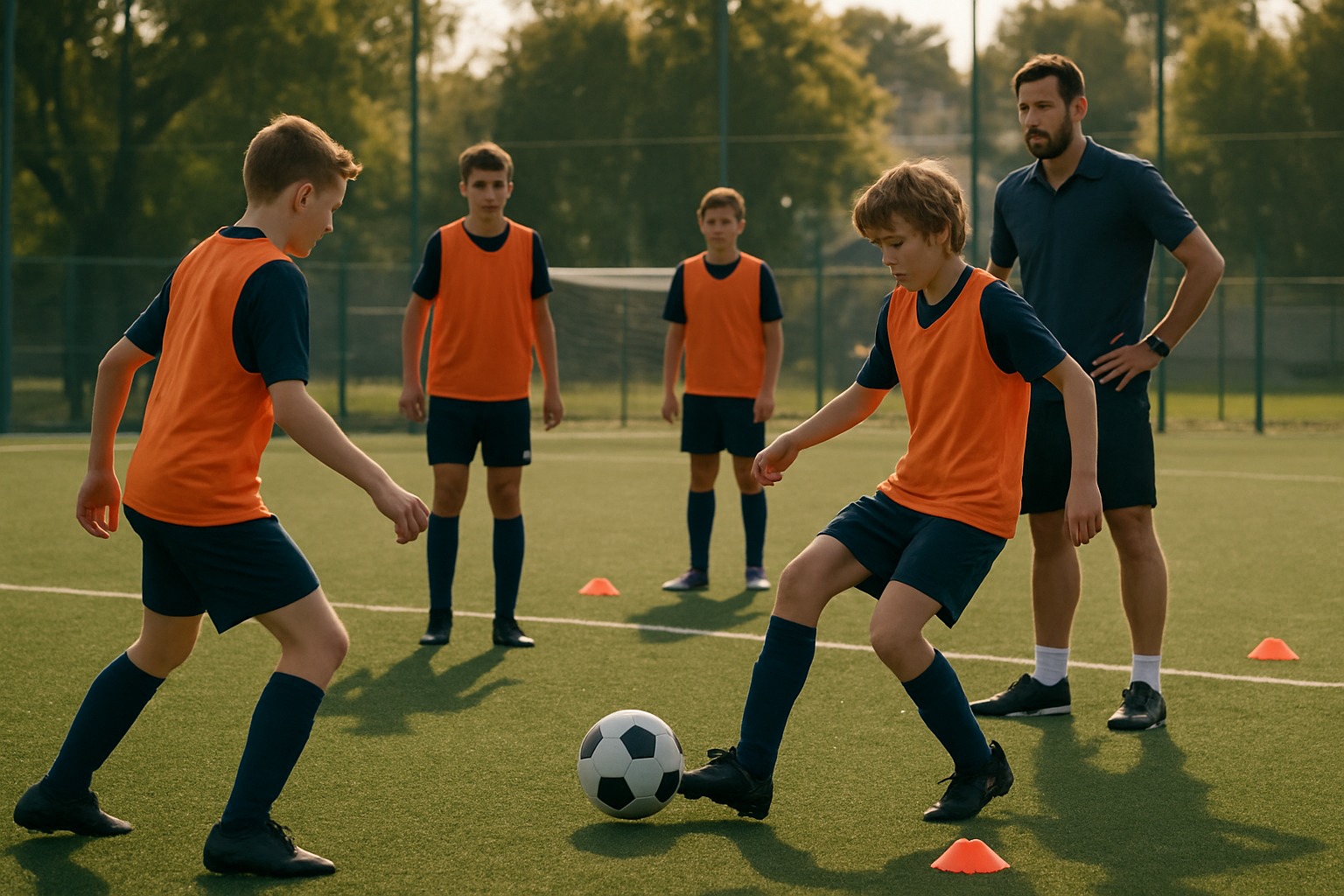
Improving consistency starts with structured practice plans emphasizing repetition of key skills under varied conditions. Coaches and players should work together to create routines that challenge decision-making, technique, and physical conditioning while allowing room for reflection and adjustment.
Football training for consistency also involves building mental toughness—helping players stay focused and confident regardless of external pressure or unexpected match situations.
Developing Mental Toughness in Football
Mental toughness is key to consistent performance. Young players learn to regulate emotions, maintain concentration, and recover quickly from mistakes through mindful training and supportive coaching.
Parents and coaches can encourage resilience by setting realistic expectations and focusing on long-term development rather than short-term results, helping players view challenges as growth opportunities.
Consistency comes from disciplined routines and mental focus, not just natural talent.
Practical Implementation for Grassroots Clubs
Grassroots clubs can foster consistent player development by introducing structured football practice plans tailored to age and skill level. These should balance skill drills, small-sided games, and physical conditioning with time dedicated to feedback and reflection.
Tracking player progress over multiple sessions helps coaches identify patterns and individual needs, enabling them to customize training that nurtures consistent growth and readiness for competitive matches.
Common Development Mistakes Holding Players Back
Consistency suffers when players rush progress, focus too narrowly on winning or highlight moments, or lack structured training habits. Overtraining, neglecting recovery, and skipping mental preparation are frequent errors that disrupt steady improvement.
Awareness and correction of these mistakes within youth programs can foster healthier development, improving both performance and long-term club retention.
Structured Training Systems for Long-Term Growth
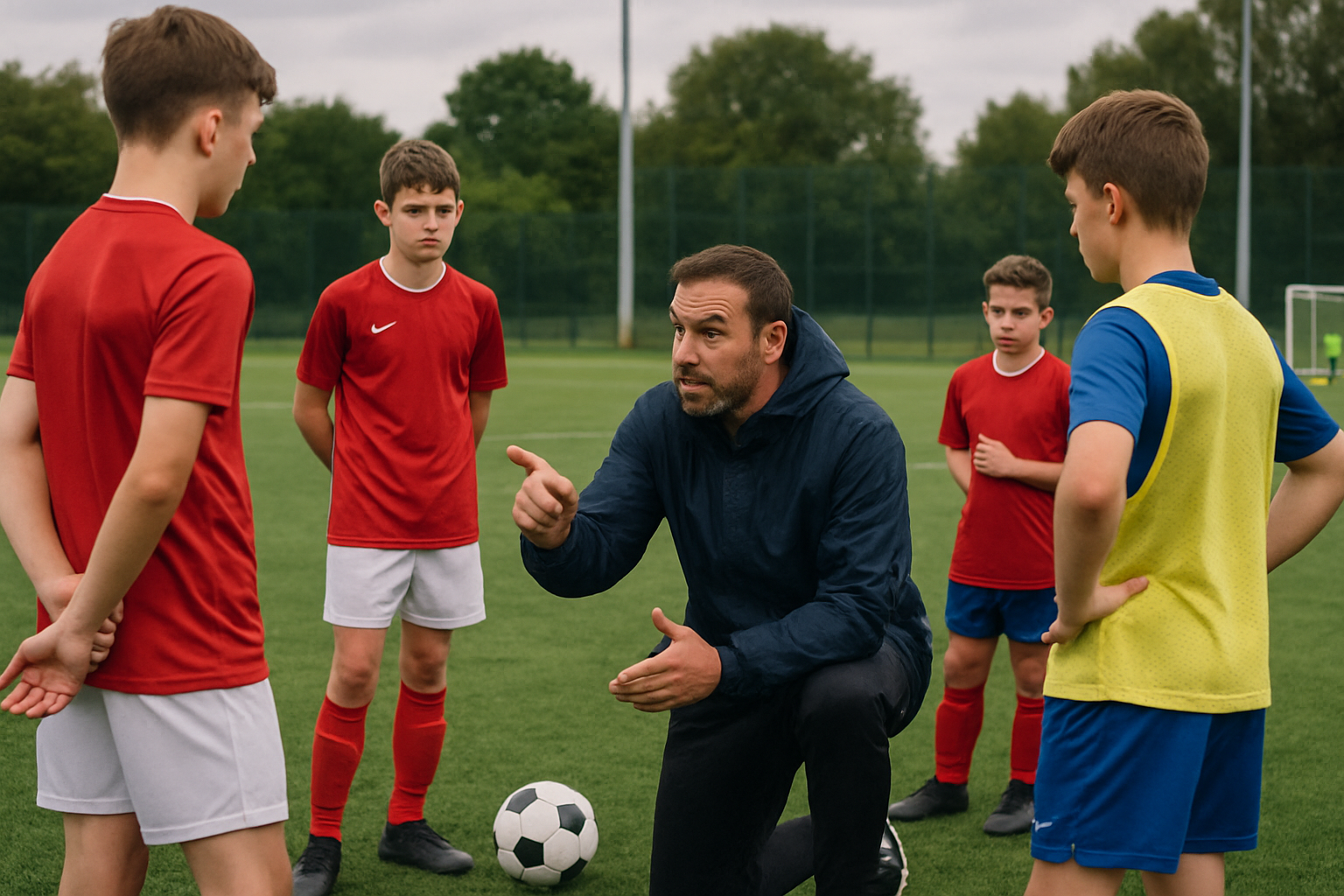
A simple framework to guide consistent development includes:
- Training with clear objectives
- Feedback to refine skills
- Tracking progress systematically
- Exposure to varied game situations
- Progression through tailored challenges
Such systems also support parents and players in understanding progress, setting realistic goals, and remaining engaged throughout the development pathway.
Conclusion
Becoming a consistent football player requires steady, structured effort from both players and their support networks. Developing strong routines, mental toughness, and maintaining balance across practice, recovery, and competition is essential. Players who prioritize long-term development through disciplined training and reflection build the foundation for reliable performance and meaningful progress. Coaches and parents play crucial roles by creating supportive environments that emphasize growth over instant success. By focusing on the fundamentals of consistent football player development, grassroots players gain the tools to unlock their potential sustainably, ultimately enjoying the game with confidence and purpose.
What is consistent football player development?
Consistent football player development is the ongoing process of improving skills, physical fitness, and mental focus to deliver steady performances in training and matches.
How to improve football skills at home for consistency?
Practice basic ball control, passing, and shooting regularly in varied settings while focusing on proper technique and decision-making to build reliable skills.
How to get better at staying consistent during matches?
Develop mental routines such as focused breathing, visualization, and positive self-talk, alongside physical training that mimics match situations to improve consistency.
Why am I not improving my football skills despite training?
Lack of structured practice, insufficient recovery, or unclear goals often hinder progress. Focusing on disciplined routines and feedback can help improve results.
Best training routine for young footballers to build consistency?
A balanced routine combining skill drills, small-sided games, physical conditioning, and rest days supports steady growth and prevents burnout.
Why do players struggle with consistency in youth football?
Inconsistency often comes from focusing too much on short-term results, irregular training habits, or mental pressure rather than steady development.
What is the best age to start structured football training for consistency?
Around ages 8 to 10 is ideal for introducing structured training, focusing on fundamental skills and habits that support consistent development.
.png)
Related Articles
 Read More about Football Trial Tips for Players: How to Stand Out and Impress Coaches
Football Trial Tips for Players: How to Stand Out and Impress Coaches
 Read More about Why You’re Not Getting Selected in Football Trials (And What Coaches Really Look For)
Why You’re Not Getting Selected in Football Trials (And What Coaches Really Look For)
 Read More about Why Grassroots Football Player Development Tracking Is Essential for Lasting Progress
Why Grassroots Football Player Development Tracking Is Essential for Lasting Progress
Latest Articles
 Read More about How Sports Academies Can Reduce Admin Work for Coaches
How Sports Academies Can Reduce Admin Work for Coaches
 Read More about How to Build Age-Wise Player Development Pathways in Football and Cricket
How to Build Age-Wise Player Development Pathways in Football and Cricket
 Read More about Tournament Management Software for Football and Cricket Organizers: A Practical Guide
Tournament Management Software for Football and Cricket Organizers: A Practical Guide
Ready to Bring Structure to Your Academy?
Let’s walk through your current setup and show you how 8lete can improve it.


