




Why Grassroots Football Player Development Tracking Is Essential for Lasting Progress
Grassroots football player development tracking is a crucial yet often overlooked aspect in youth football environments. Many coaches, academies, parents, and players face challenges in knowing how to consistently measure and follow growth beyond winning games or scoring goals. This leads to gaps in understanding true player progress, which hinders long-term development and structured improvement.
What is Grassroots Football Player Development Tracking?
Grassroots football player development tracking refers to the ongoing, systematic monitoring of a young player's skills, physical growth, tactical understanding, psychological mindset, and training habits over time. It aims to provide clear feedback that informs coaching decisions and helps players focus on meaningful growth rather than short-term results.
This monitoring process collects data and observations that coaches, parents, and players use to guide training focus, identify strengths and weaknesses, and align development plans with each player’s individual trajectory.
Why Players Struggle Without Development Tracking
Without consistent tracking, player progress becomes vague and hard to quantify. Many players and parents rely on visible match performance or coach opinion alone, which can be affected by circumstances like team tactics, opposition strength, or even match day nerves.
This lack of clarity leads to frustration, unclear goals, and missing opportunities for targeted improvement. Coaches also find it difficult to tailor training without data-driven insights, which can slow down player growth and cause talented players to stagnate.

How to Improve Player Development Tracking in Grassroots Football
Improving tracking player progress in grassroots football begins with establishing simple, consistent methods that capture various performance aspects. These can include skill tests, physical benchmarks, mental readiness checks, and feedback from training and matches.
Utilising straightforward tools like standardized assessment sheets, video reviews, or even basic digital apps can systematize observations. The key is consistency over complexity, ensuring data helps reveal trends rather than isolated moments.
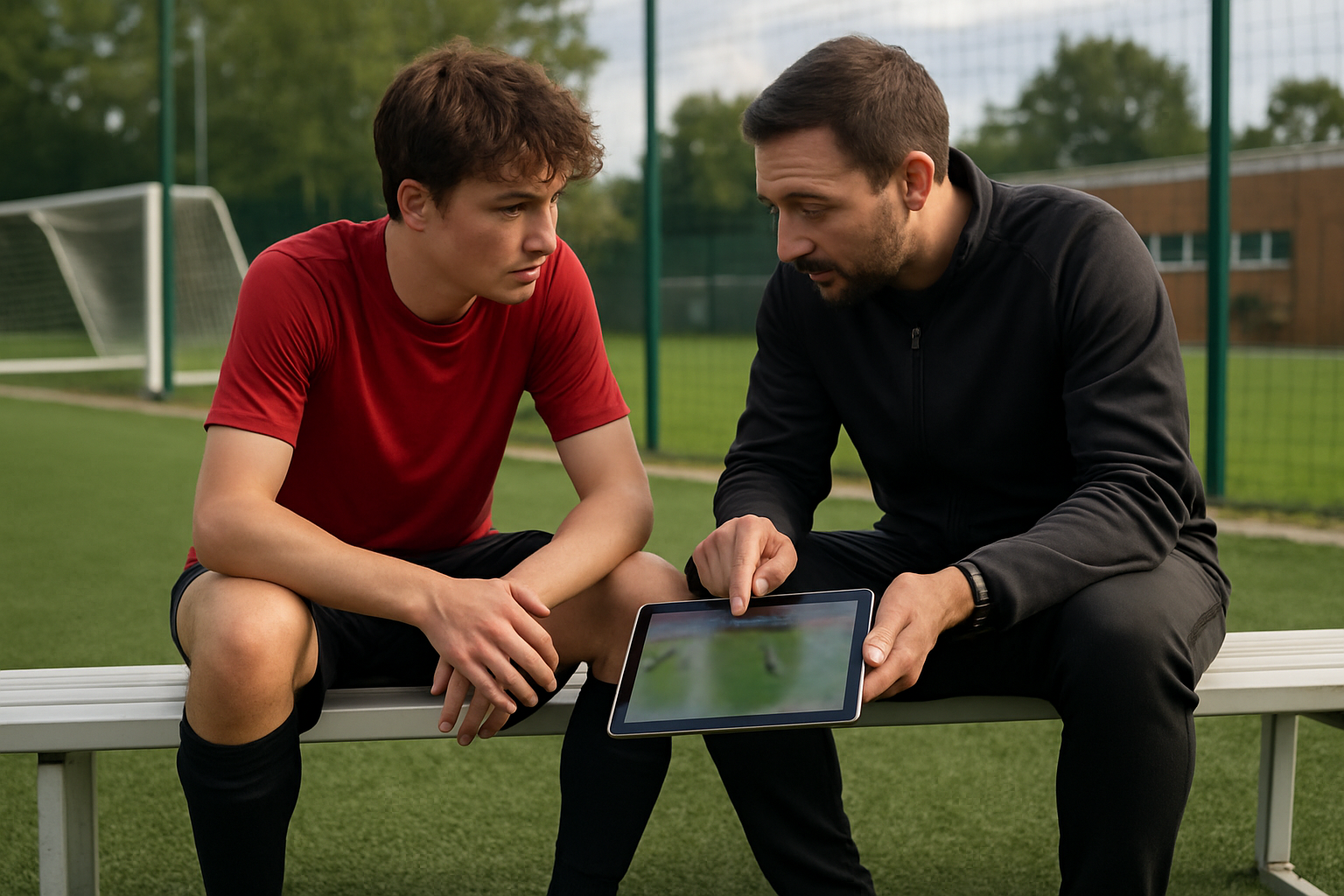
Coaches play a vital role by interpreting collected information to set realistic, structured goals with players and parents, fostering understanding and joint responsibility in development.
Consistent tracking transforms coaching from guessing to guiding with clear evidence.
Benefits of Tracking Youth Football Skills and Growth
Regular monitoring enhances player awareness, helping individuals understand where to focus effort. It also builds confidence by showing measurable progress, even when match results may not reflect it.
For coaches, development tracking creates objective evidence to adjust training plans, prevent burnout, and identify players ready to progress through phases or roles. Parents gain a clearer picture of their child’s journey, supporting patience and motivation.
Data-driven approaches to player development encourage smarter decisions and reduce guesswork, making the entire ecosystem—from academy workflows to individual sessions—more effective and transparent.
Practical Implementation for Grassroots Clubs
Grassroots football academies can introduce a structured framework: Training → Feedback → Tracking → Exposure → Progression. This cycle ensures each training session leads to meaningful feedback, which is tracked methodically and then used to plan the next steps in player exposure and progression.
Starting small with weekly technical skill scoring, combined with notes on game understanding and attitude, helps maintain focus. Utilizing platforms that allow coaches to store and analyze this data helps scale and systematize development programs.
Regular meetings involving players and parents help communicate progress clearly, aligning expectations and increasing motivation. Clubs that integrate structured player development tracking often see improved player retention, motivation, and clearer pathways for advancement.
Common Development Mistakes in Grassroots Football
One common error is relying solely on match performance as the development indicator. Matches are important but do not reflect skill acquisition, decision-making improvements, or mental growth comprehensively.
Another mistake is irregular or inconsistent feedback, leaving players unsure about their next steps. Without structured tracking, training and feedback become reactive and lose development focus.
Finally, overlooking the role of parents and players in understanding tracking outcomes limits the effectiveness of monitoring systems. Engagement outside training sessions is critical for long-term progress.
Conclusion
Tracking player development in grassroots football is not just a technicality—it is a foundation for meaningful, sustainable growth. Implementing consistent and clear monitoring methods helps players understand their journey, empowers coaches to tailor effective training, and allows parents to support development with insight rather than guesswork. By focusing on structured feedback loops and data-driven assessment tools, grassroots clubs can foster environments that prioritize growth over short-term results. This approach guards against common pitfalls such as overemphasis on match outcomes or erratic progression checks. For anyone involved—from academy owners to parents and young players—embracing player development tracking plants the seeds for lifelong football skills, discipline, and enjoyment. To start integrating these concepts, clubs should consider structured training systems and player development tracking technologies tailored to grassroots realities, broadening opportunities for all participants to thrive and progress authentically.
What is grassroots football player development tracking?
It is the process of systematically monitoring a young player's skills, physical growth, and mentality over time to guide training and progress.
How does tracking player progress help in grassroots football?
Tracking reveals strengths and weaknesses, supports tailored coaching, and ensures players focus on long-term improvement beyond match results.
How to improve football skills tracking at home or in training?
Use simple tools like video analysis, skill checklists, and regular feedback sessions to observe progress consistently and practically.
Why am I not improving despite regular training in football academies?
Without clear tracking and structured feedback, training can lack focus, leading to missed development opportunities and slow progress.
How to get better at football through player development tracking?
Engage actively with feedback, set clear goals, and follow structured training plans based on monitored performance data.
What is the best age to start development tracking in young footballers?
Ideally, tracking starts as early as 8–10 years old to build good habits and monitor growth throughout youth stages.

.jpg)
Related Articles
 Read More about How Young Footballers Get Discovered: Pathways from Training Ground to Scouts
How Young Footballers Get Discovered: Pathways from Training Ground to Scouts
.jpg) Read More about How Top Football Academies Track Player Progress (And Why Most Don't)
Read More about How Top Football Academies Track Player Progress (And Why Most Don't)How Top Football Academies Track Player Progress (And Why Most Don't)
 Read More about Attendance Is Not Development: The Biggest Mistake Grassroots Academies Make
Attendance Is Not Development: The Biggest Mistake Grassroots Academies Make
Latest Articles
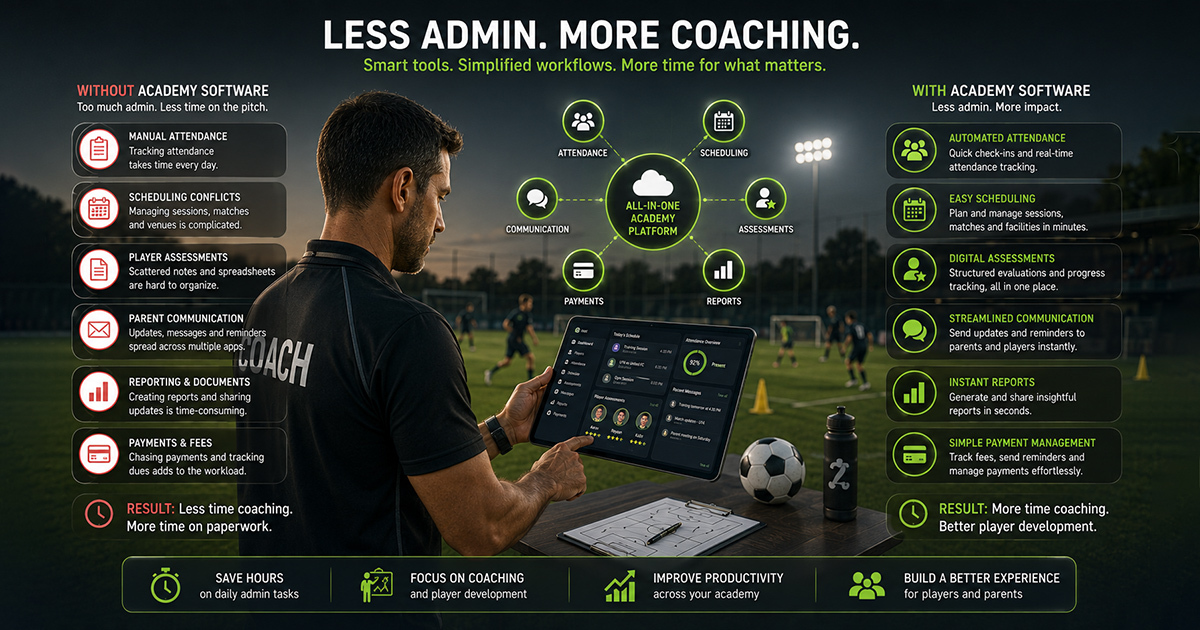 Read More about How Sports Academies Can Reduce Admin Work for Coaches
How Sports Academies Can Reduce Admin Work for Coaches
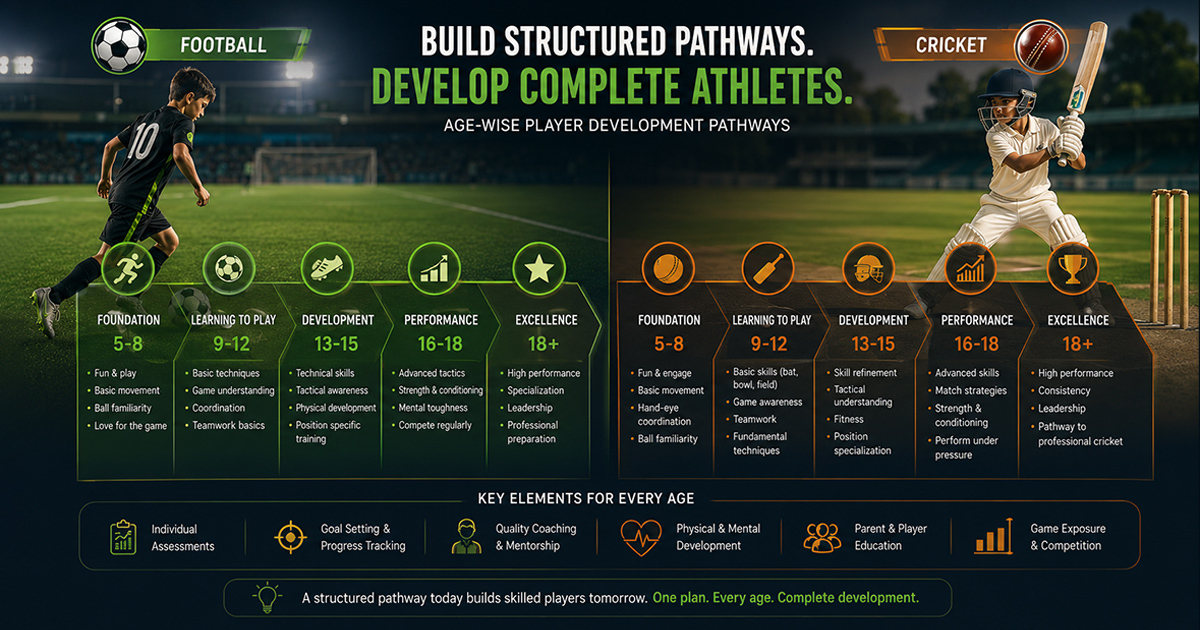 Read More about How to Build Age-Wise Player Development Pathways in Football and Cricket
How to Build Age-Wise Player Development Pathways in Football and Cricket
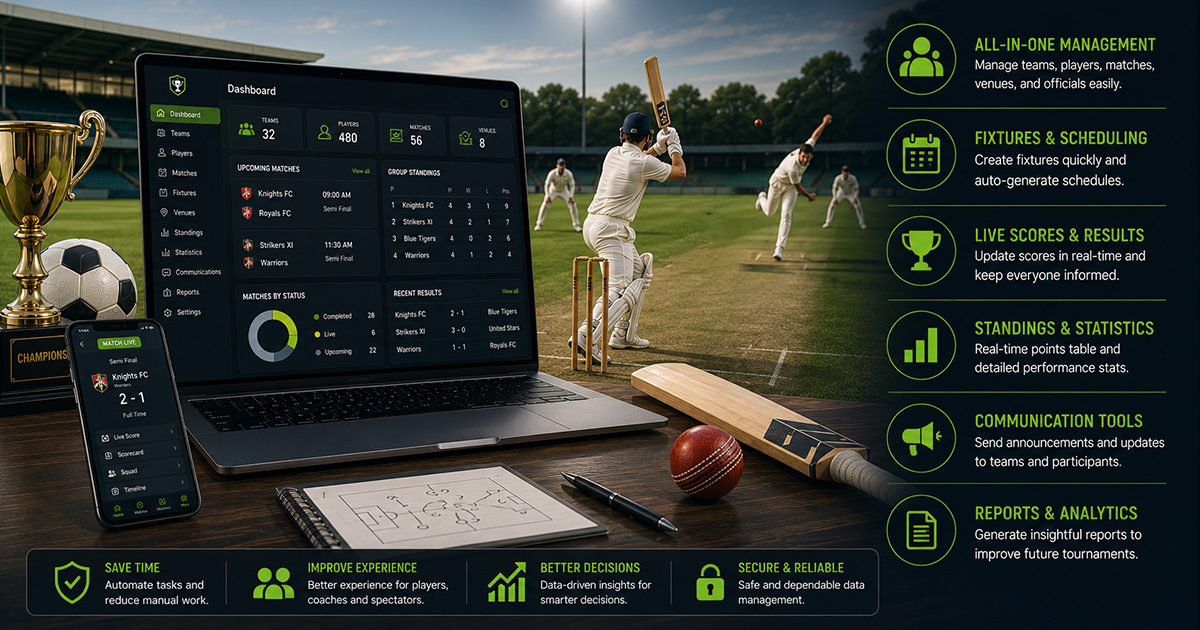 Read More about Tournament Management Software for Football and Cricket Organizers: A Practical Guide
Tournament Management Software for Football and Cricket Organizers: A Practical Guide
Ready to Bring Structure to Your Academy?
Let’s walk through your current setup and show you how 8lete can improve it.


